
 简体中文
 English

Website review
This review may include AI-generated content and is not individually verified. Domain, certificate and other facts come from the observed data on this page.
What is OSIM USA?
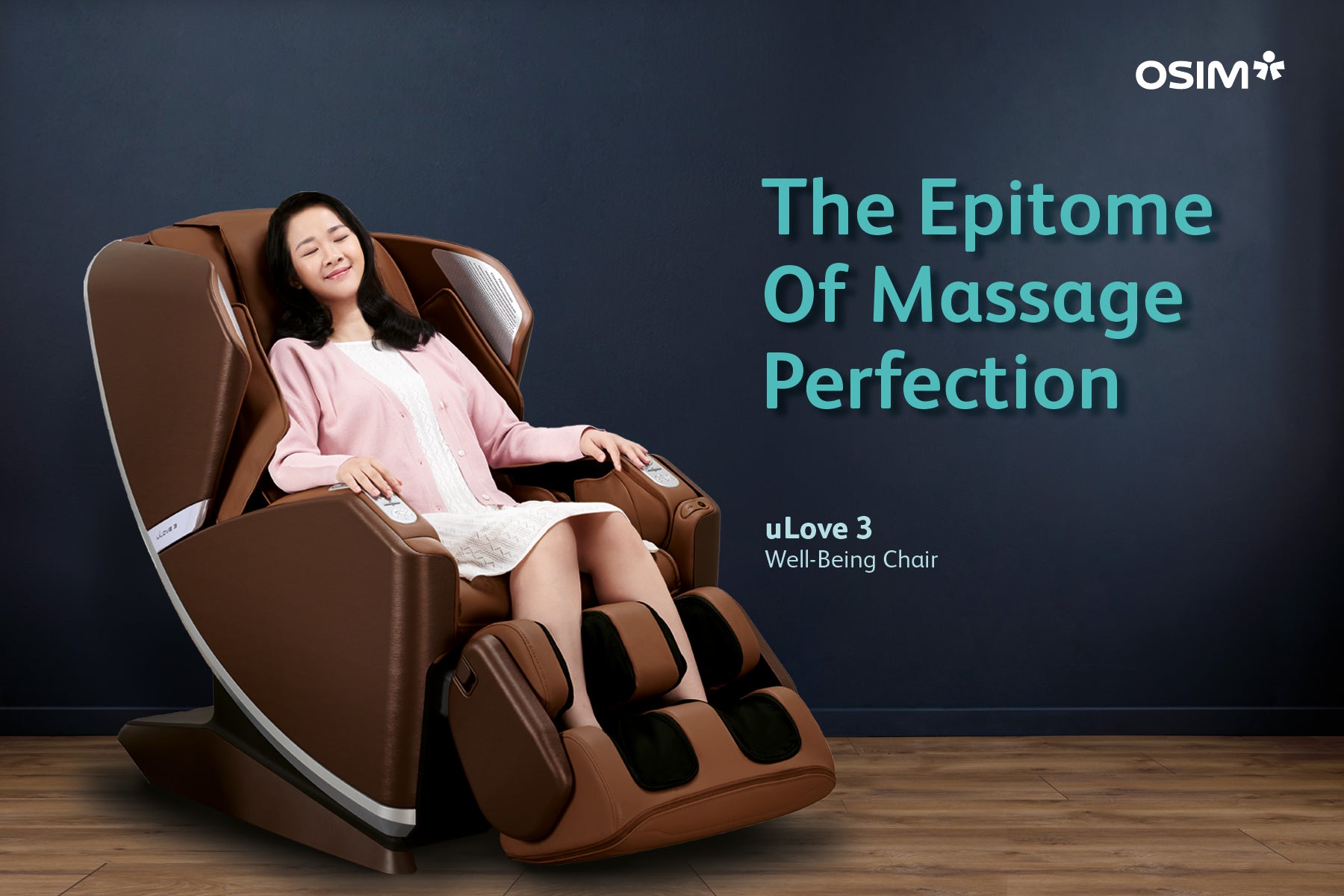
OSIM USA is the American storefront of OSIM, a massage and wellness technology brand. The site presents OSIM as a maker of full-body massage chairs, back and foot massagers, shiatsu "human-touch" chairs, and zero-gravity massage recliners, positioning these as home alternatives to frequent spa visits. The company describes more than 46 years of experience and frames its products around stress relief, sleep quality, muscle recovery, circulation, and posture support.
What the site offers
- Massage chairs and recliners: full-body chairs with zero-gravity positioning, body scanning, rollers, airbags, and heat therapy.
- Targeted massagers: back and foot massagers for people who want relief without a full chair.
- Wellness framing: content organized around everyday preventive care and family use, not just luxury.
Who it suits
A reader considering a chair for daily wind-down after work, or a household where several people want different intensity levels, is the clearest audience. Someone with only occasional back tightness may find a smaller back or foot massager a more proportionate first step.
As a next step, compare the chair lineup by the features you would actually use—body scanning, zero-gravity recline, heat—rather than by model tier alone. For broader comparison, OSIM USA can be set against other massage chair brands such as Human Touch.
How do I choose between a full body massage chair and a back or foot massager for my needs?
Choose based on how much of your body you want treated at once and how much floor space you can dedicate. A full body massage chair suits people who want hands-off, whole-body sessions and are willing to give up a large footprint and a higher budget. A back or foot massager suits people targeting one problem area, moving the device between rooms, or adding relief without rearranging a room.
Quick comparison
| Need | Full body massage chair | Back or foot massager |
|---|---|---|
| Coverage | Back, shoulders, legs, feet together | One area at a time |
| Effort | Sit down; session runs itself | Position the device yourself |
| Space | Fixed, chair-sized spot | Stored or tucked away |
| Best for | Daily whole-body relaxation, shared household use | Desk workers with back tension, sore feet after standing |
| Trade-off | Cost and room commitment | Less coverage per session |
A practical way to decide
Ask what you actually want relief from. If it is mostly lower-back tightness after desk work, or tired feet after long shifts, a targeted massager gives you most of the benefit for far less money and space. If you want a routine that covers back, shoulders and legs in one 15–20 minute session, and you have a permanent spot for it, a chair makes more sense. Households where several people want different intensities also lean toward a chair, since programs can be switched per person.
OSIM's own site positions its range around this split: shiatsu-style full body chairs and zero-gravity recliners on one side, and back and foot massagers on the other, with body scanning and adjustable intensity described as chair features OSIM USA.
Next step
Before buying, sit in a chair for a full session if a showroom is near you, and check the chair's dimensions against your doorway and intended corner. For a targeted device, test it against your worst spot: a foot massager should reach the arch and heel, and a back massager should hit the point where your tension actually sits.
How does OSIM's body scanning technology adjust a massage session to my body?
OSIM's body scanning detects pressure points and adjusts massage intensity to match your body, according to the company's own description on OSIM USA. The scan is the setup step: before the rollers, airbags and heat therapy run a session, the chair maps where your body sits and how it is built, then tailors the massage to that map rather than running one fixed program for everyone.
What the scan changes in practice
- Intensity: Pressure is calibrated to your detected points, so a deep-tissue setting on a small frame and a large frame should not feel identical.
- Positioning: Rollers and airbags work from where your body actually is, which matters most in the back and shoulders, where height and posture vary widely.
- Program choice: Because the chair adapts to the scan, a gentle relaxation mode and a deep-tissue mode are variations on your body's map, not generic routines.
How to judge it on a demo
Sit in the chair twice with different posture—once upright, once slightly slouched—and note whether the shoulder rollers land in the same place and whether pressure feels even across your back. Ask the staff to show you the scan result and whether you can override it manually. People with pronounced curves, prior back injury or very different heights from other household members should test this most carefully, since a scan that misreads your spine will make every program feel off.
A useful next step is to compare OSIM's approach with other scanning chairs before buying; Human Touch is one official alternative to check for its own body-mapping features.
Is a zero-gravity massage recliner worth it for back pain relief and spinal decompression at home?
Yes, for some people—but it is not a medical treatment. A zero-gravity recliner can make at-home back relief more comfortable and consistent, and the reclined position that redistributes body weight may help reduce spinal loading during a session. Whether it is "worth it" depends less on the zero-gravity label than on how well the chair fits your body, your pain pattern and your willingness to use it regularly.
What zero-gravity actually contributes
The main benefit is positioning. Tilting the seat back and raising the legs spreads weight across the back and hips rather than concentrating it on the lower spine, which many users find makes deeper massage easier to tolerate. OSIM describes its zero-gravity recliners as using this positioning to support deeper relaxation and spinal decompression, alongside body scanning that adjusts intensity to pressure points and rollers, airbags and heat that mimic massage techniques OSIM USA.
That is a comfort and session-quality argument, not proof of clinical decompression. If your goal is diagnosed disc or nerve pain, treat the chair as an adjunct to physiotherapy or medical care, not a substitute.
Who tends to get the most from it
- Desk workers with muscular tension and stiffness: daily short sessions are easy to fit in and may loosen tight back and hip muscles.
- People who find flat lying or firm chairs uncomfortable: the reclined, supported posture is often the difference between using the chair and avoiding it.
- Households wanting shared use: adjustable intensity and scanning features help different body sizes and preferences.
- Anyone replacing frequent spa or massage appointments: convenience is the real value; consistency matters more than a single intense session.
It is a weaker fit if you have an acute injury, recent surgery, osteoporosis, or a condition where heat and deep roller pressure are inadvisable—check with a clinician first.
Decision criteria before buying
| Question | Why it matters |
|---|---|
| Does the recline angle and leg rest fit your height? | Zero gravity only helps if your hips and knees are comfortably supported |
| Can you adjust roller depth and airbag intensity? | Back pain varies day to day; fine control keeps sessions usable |
| Is heat optional and adjustable? | Useful for stiffness, but not for everyone |
| Will it fit your room and doorway? | Large recliners are hard to place and return |
| Can you try it in person? | Fit and pressure feel cannot be judged from specifications |
A practical next step
If you are seriously considering one, book a showroom session and test three things: a 15-minute session in zero gravity at your usual intensity, the same session with heat off, and getting in and out unaided. Note whether your back feels looser afterward and the next morning. Compare that experience with a simpler option such as an adjustable recliner plus a targeted back massager, which costs far less and may cover mild tension. For buyers who want a full-featured chair and will use it several times a week, the positioning and program variety can justify the outlay; for occasional use, it rarely does.
What should I consider before buying a massage chair, such as warranty, delivery, or financing?
Before buying a massage chair, focus on four things: how well the chair fits the people who will use it, what the warranty actually covers, how delivery and installation work in your home, and whether financing terms fit your budget. The chair's features matter, but these practical factors often decide whether you are happy with it a year later.
Fit and daily use
- Body range: If several people will use it, check whether the chair adapts to different heights and body types. OSIM describes body-scanning systems that detect pressure points and adjust intensity, which matters in a shared household OSIM USA.
- Space and placement: Measure the room, doorways and any stairs. Reclining chairs need clearance behind and in front; zero-gravity positions take more room than an upright seat.
- Your main goal: Stress relief, back tension, sleep support and post-exercise recovery call for different programs and intensity ranges. Match the chair to the primary user rather than the longest feature list.
Warranty
Ask what is covered, for how long, and who performs repairs. Key points:
- Which parts (frame, rollers, airbags, electronics, upholstery) are included, and for how many years each.
- Whether labor and travel for in-home service are covered.
- Whether coverage transfers if you sell or move the chair.
- What counts as normal wear versus a defect.
Delivery and installation
A massage chair is heavy and bulky, so confirm:
- Whether delivery includes room-of-choice placement, assembly and a demo.
- Who handles stairs, tight doorways or elevator limits, and whether that costs extra.
- What happens if the chair arrives damaged: inspection window, return process and who pays for removal.
Financing and total cost
Compare the financed total against paying outright, not just the monthly figure. Check the interest rate or promotional terms, the length of the plan, early-payment penalties, and the return window if you finance. Also budget for a power outlet near the chair and any extended-service plan.
A practical next step
Make a one-page checklist with your room measurements, the heights of everyone who will use it, your warranty questions and your delivery constraints. Then ask the retailer those questions in writing before ordering; a clear answer on in-home service and returns is a good sign of after-sales support.
How do OSIM massage chairs compare to professional spa sessions or other massage chair brands?
OSIM positions its chairs as a home alternative to frequent spa visits, emphasizing professional-grade relaxation, zero-gravity positioning and body-scanning that adjusts intensity to pressure points. That framing is useful for understanding the trade-off: a chair offers unlimited, on-demand sessions at home, while a spa session offers a trained therapist who can adapt to injuries, target specific problems and change technique in real time. For daily stress relief, circulation and convenience, a chair covers the routine case; for acute pain, rehabilitation or clinical concerns, a therapist or clinician remains the better first stop.
OSIM versus other chair brands
The page evidence describes OSIM's differentiators as shiatsu/human-touch simulation, zero-gravity recliners, heat therapy, airbags and smart body scanning, backed by a stated 46 years of experience. It does not list competitor names, model specifications or prices, so brand-to-brand claims should be checked against each manufacturer's own materials rather than assumed.
| Consideration | What to weigh |
|---|---|
| Massage style | OSIM emphasizes shiatsu and human-touch simulation; other brands may lean toward stretch, sports recovery or simpler vibration/roller designs |
| Space and fit | Zero-gravity recliners need clearance to recline; measure the room and check the delivered footprint |
| Adaptability | Body scanning and adjustable intensity matter if several household members with different builds will share the chair |
| Service and warranty | A large purchase like this depends on local delivery, repair access and warranty terms in your country |
| Price transparency | Confirm current pricing and promotions directly, since figures vary by model and region |
A practical way to decide
If your goal is routine relaxation after work, better sleep wind-down or easing everyday muscle tension, compare chairs on fit, reclining space, adjustable intensity and local service. If you have a specific medical issue, treat the chair as comfort equipment, not treatment, and ask a clinician first. Before buying, sit in the candidate models at a showroom and run the same program on each; the difference in roller pressure and airbag fit is usually clearer in person than in marketing copy. For broader context on massage and pain management, the National Center for Complementary and Integrative Health offers evidence-based background, and Federal Trade Commission guidance helps with warranty and return-policy questions.
 Cloudflare
 Amazon SES
 Ottawa, Ontario, Canada
User reviews (0)