
 简体中文
 English

wildlifeaid.org.uk
Wildlife Aid Foundation is one of the UK’s best-loved animal charities. We rescue, treat, rehabilitate and release thousands of British wildlife, every year.
At a glance
- Category
- Nonprofits & Volunteering
- Language
- English
- Paid-content signal
- No paid content foundObserved
- Registered
- 2004
- Hosting
- DigitalOcean, LLCInferred
- HTTPS certificate trusted
- PassedObserved
- Last updated
Related questions
More questions →How to Support Wildlife Aid Foundation: Donate, Adopt, Volunteer or Share
You can support Wildlife Aid Foundation in four main ways: donate to an appeal such as the Winter Survival Fund, adopt a UK wildlife species such as a fox, volunteer at the centre, or follow and share its work on social media. The right choice depends on whether you want to give money, give time, or simply help raise awareness — and on whether you want your support tied to a specific animal or to the charity's general rescue work.
What the charity does with your support
Wildlife Aid Foundation describes itself as one of the UK's most active wildlife charities. Its teams of volunteers and specialist vets rescue, treat, rehabilitate and release British wildlife 365 days a year — from tiny orphaned hedgehogs to birds of prey. What began with a single gull with a wounded wing now involves over 20,000 wildlife-related incidents each year.
Animals arrive either through call-outs to trapped or injured wildlife in distress, or because members of the public bring wounded or orphaned animals directly to the wildlife hospital in Leatherhead. There, trained volunteers triage and admit the animal before treatment and rehabilitation begin.
That context matters when choosing how to help: donations fund the hospital and rescue work, volunteering puts hands on the same work, and sharing extends the charity's reach to people who might find an animal in need.
Compare the four ways to help
| Way to help | What it involves | Best if you want to… | What to check first |
|---|---|---|---|
| Donate to an appeal | Giving money to a specific fundraising campaign, such as the Winter Survival Fund | Fund direct care — warmth, food, medicine, veterinary treatment, rescue and rehabilitation | Which appeal is currently running and what it covers |
| Adopt a UK wildlife species | An adoption scheme featuring species such as the fox | Support the charity while tying your gift to a particular animal | What the adoption package includes and how the money is used |
| Volunteer at the centre | Giving your time at the charity's centre | Contribute hands-on rather than financially | Current volunteer roles, requirements and availability |
| Follow and share on social media | Amplifying the charity's posts and messages | Help without spending money or committing time | Nothing — this is the lowest-barrier option |
Donating to an appeal: the Winter Survival Fund
The Winter Survival Fund is the charity's seasonal appeal for the hardest months of the year. The charity explains the need directly: longer nights, falling temperatures and disappearing food make daily survival harder for wildlife, while the centre continues to take in animals that need warmth, food, medicine, veterinary treatment, rescue and rehabilitation — and eventually a return to the wild.
This is the most direct way to fund care. If your priority is that your money goes toward treating and releasing animals during a period the charity has identified as especially difficult, an appeal donation fits. The page invites supporters to "make a donation to help wildlife survive this winter" and points to a "Find out more" link for the appeal.
Adopting a UK wildlife species
The charity runs an adoption scheme, with the fox featured prominently on its site. Adoption sits between a general donation and volunteering: you give money, but the ask is framed around a specific species, which suits people who want a tangible connection to a particular kind of animal.
Before adopting, check what the scheme actually provides — for example, whether you receive updates or materials about the animal, and how adoption funds are allocated. The site's adoption section is the place to confirm the current species on offer and the details of each package.
Volunteering at the centre
Volunteers are central to the operation: the charity describes its teams of volunteers and specialist vets as the reason animals get a second chance, and volunteers handle triage and admission at the Leatherhead hospital. If you live within reach of the centre and want to contribute time rather than money, volunteering is the option that puts you closest to the rescue and rehabilitation work.
Because roles, requirements and availability change, check the charity's volunteering information before applying rather than assuming a particular role is open.
Following and sharing on social media
The charity explicitly lists following it on social media alongside volunteering and donating as a way people help. Sharing costs nothing and can connect an animal in distress with someone who knows where to take it — the charity notes that members of the public bringing animals to the hospital is a normal route for admissions. If you cannot give money or time, this is the option with no barrier to entry.
How to choose
- You want your money to fund direct care now: donate to the Winter Survival Fund or another current appeal.
- You want a personal connection to a species: look into adopting a fox or another UK wildlife species.
- You can give time near Leatherhead: check current volunteering opportunities.
- You want to help without spending: follow and share the charity's work.
Whichever route you take, the charity's own framing is that it is "people just like you" who keep the rescue, treatment, rehabilitation and release work going.
What to Do If You Find an Injured or Orphaned Wild Animal in the UK
Call Wildlife Aid Foundation for rescue advice, or take the animal directly to its wildlife hospital in Leatherhead. The charity rescues, treats, rehabilitates and releases British wildlife 365 days a year and handles over 20,000 wildlife-related incidents annually, so it is set up for exactly this situation. Before help arrives, keep the animal contained, warm, dark and quiet, and avoid handling it more than necessary. The main exception is a genuinely healthy-looking orphan: many young animals are not abandoned, and picking them up can do more harm than good.
First, decide whether the animal actually needs help
Not every lone young animal is orphaned. Before intervening, watch from a distance and check whether a parent returns. For birds that have left the nest but cannot yet fly well, a parent is often nearby feeding them on the ground.
Signs that rescue is likely needed:
- Visible injury: a wounded wing, bleeding, a broken limb, or a cat or dog bite
- A trapped animal, for example caught in netting, a fence or a building
- A young animal that is cold, weak, crying persistently, or has been alone for hours with no parent returning
- An adult animal that does not move away when approached
If none of these apply, the safest course is often to leave it alone and monitor from a distance.
Contact Wildlife Aid or bring the animal in
Wildlife Aid's page describes two routes: its teams may be called out to help a trapped or injured animal in distress, or members of the public may bring wounded or orphaned animals directly to its wildlife hospital in Leatherhead. Call first for advice on which route fits your situation and whether a rescue can be dispatched.
When you call, have this information ready:
- What the animal is — species if you know it, or a description (for example, "a gull with a wounded wing")
- Exactly where it is — a precise location, plus anything that affects access
- What is wrong — the injury or situation you observed, and when you noticed it
- Whether it is contained — and whether it is in immediate danger, such as on a road
- Your contact details — so the team can reach you
The charity's own origin story is a useful illustration of why precise details matter: its first patient was a gull with a wounded wing, and that single case grew into an organisation now handling tens of thousands of incidents a year.
Basic precautions before help arrives
The goal is to keep the animal safe and stress low without turning yourself into a casualty.
- Contain, don't cuddle. Place the animal in a secure box with ventilation holes, lined with something soft.
- Keep it dark, warm and quiet. Cover the box and put it somewhere calm, away from pets and children.
- Do not handle more than needed. Wild animals can bite, scratch or carry infections; use gloves if you have them.
- Do not offer food or water unless a rescuer tells you to. The wrong food, or water into the wrong place, can cause serious problems.
- Note the location where you found it. Release back to the wild depends on returning animals to a suitable habitat, so the find spot matters.
When to hold back and let trained rescuers act
Some situations are best left to people with the right equipment and training:
- Large or dangerous animals — birds of prey, deer, badgers, foxes and swans can injure a well-meaning rescuer.
- An animal in a hazardous position — on a road, in water, up high or inside a structure. Do not put yourself in danger to reach it; call and describe the situation.
- A suspected healthy orphan — if a parent is likely nearby, watching briefly is better than intervening.
- Any animal where handling would clearly cause more distress than benefit — contain it if you safely can, then wait for guidance.
Supporting the work beyond a single rescue
Wildlife Aid is a charity, and its page describes several ways the public keeps it running: volunteering at its centre, donating, or following it on social media. It also runs an "Adopt UK Wildlife" scheme, with options such as adopting a fox, and a seasonal Winter Survival Fund appeal that it says helps provide warmth, food, medicine, veterinary treatment, rescue and rehabilitation through the harder months. If you have just used its rescue service, one of these is a practical way to pass the help on.
Which animals does Wildlife Aid rescue and what happens to them after admission?
Wildlife Aid Foundation rescues, treats, rehabilitates and releases British wildlife of all kinds — from tiny orphaned hedgehogs to birds of prey — and every animal brought in goes through triage and admission by trained volunteers at its wildlife hospital in Leatherhead, followed by veterinary treatment, rehabilitation and, where possible, release back to its natural habitat. The charity says it handles over 20,000 wildlife-related incidents each year, with teams working 365 days a year.
Which animals Wildlife Aid takes in
The charity describes its patients as "every kind of British wildlife." Its own examples give the range:
- Small mammals — orphaned hedgehogs are the example the charity leads with.
- Birds of prey — described as "magnificent birds of prey."
- Gulls and other birds — the charity's first-ever patient was a gull with a wounded wing, and birds remain part of the caseload.
- Trapped or injured animals in distress — the rescue team may be called out to help these.
The site does not publish a complete species list or explicit exclusions, so if you are unsure whether a particular animal is within scope, contact the charity before acting.
How an animal reaches the hospital
There are two main routes, according to the charity:
- Rescue call-out — the team may be called out to help a trapped or injured animal in distress.
- Public drop-off — caring members of the public may bring wounded or orphaned animals directly to the wildlife hospital in Leatherhead.
What happens after admission
The page evidence sets out the start of the process clearly and the rest of the pathway in general terms:
| Stage | What happens |
|---|---|
| Triage and admission | A team of trained volunteers triages and admits the animal at the Leatherhead hospital. |
| Veterinary treatment | Specialist vets treat the animal; the charity describes its team as volunteers and specialist vets. |
| Rehabilitation | Animals are rehabilitated at the centre as part of the charity's rescue, rehabilitation and release work. |
| Release | Patients are released back to their natural habitat, "giving them a second chance at life." |
The charity frames all of this as front-line care for individual animals that "would have no chance in the wild" without its teams and donors.
What this means if you have found an animal
- Act on the route that fits the situation. If an animal is trapped or injured and in distress, the charity's rescue line is the relevant path; if you can safely transport a wounded or orphaned animal, the Leatherhead hospital accepts public drop-offs.
- Expect triage first. Admission is not automatic — trained volunteers assess the animal on arrival, so the care it receives depends on that assessment.
- Release is the goal, not a guarantee. The charity's stated aim is return to the wild; the page does not promise release for every patient.
The site also runs a Winter Survival Fund appeal, noting that winter brings longer nights, falling temperatures and disappearing food, and that donations help provide warmth, food, medicine, veterinary treatment, rescue and rehabilitation during those months.
What Is Wildlife Aid's Winter Survival Fund and Why Does Winter Threaten British Wildlife?
Wildlife Aid's Winter Survival Fund is a seasonal fundraising appeal by the Wildlife Aid Foundation, a UK wildlife charity, to cover the cost of getting wild animals through the hardest months of the year. The charity says the fund pays for warmth, food, medicine, veterinary treatment, rescue and rehabilitation, with the aim of returning each animal to the wild. It matters because winter removes the three things wildlife depends on — daylight, warmth and food — just as the charity's caseload of injured and orphaned animals continues.
Why winter is dangerous for British wildlife
Wildlife Aid's own appeal sets out the problem plainly: nights are longer, temperatures are falling, food is disappearing, and simply surviving each day becomes harder. For animals already in trouble — an orphaned hedgehog, a bird with an injured wing — those conditions remove any margin for error. An animal that might recover in spring or summer can decline quickly when it cannot keep warm or find enough to eat.
The charity frames the contrast directly: winter may be "the most wonderful time of the year" for people, but for wildlife "it can be a fight for survival."
What the Winter Survival Fund pays for
According to the appeal, donations to the fund help provide everything an animal needs when it arrives at the charity during the winter months:
- Warmth — shelter from cold conditions during treatment and recovery
- Food — nutrition for animals that cannot forage or hunt
- Medicine and veterinary treatment — care from the charity's specialist vets
- Rescue and rehabilitation — the full pathway from pickup to recovery
- A chance to return to the wild — release back to natural habitat where the animal belongs
The fund is therefore not a separate service but a way of financing the charity's existing rescue, treatment, rehabilitation and release work through the season when costs and needs are highest.
How this fits the charity's wider work
Wildlife Aid describes itself as one of the UK's most active wildlife charities, operating 365 days a year. Its teams of volunteers and specialist vets treat and re-release "every kind of British wildlife, from tiny orphaned hedgehogs, to magnificent birds of prey." What began with a single gull with a wounded wing four decades ago has grown to more than 20,000 wildlife-related incidents a year.
Animals reach the charity in two main ways: the team may be called out to a trapped or injured animal in distress, or members of the public may bring wounded or orphaned animals directly to its wildlife hospital in Leatherhead. There, trained volunteers triage and admit the animal before treatment begins. Winter conditions make both routes busier and more urgent — an animal left exposed overnight may not survive until morning.
How you can help — and what to check first
The appeal asks people to donate if they can. The charity also lists volunteering at its centre, donating to its work, and following it on social media as ways to support the mission. If you want to give specifically to winter care, look for the Winter Survival Fund appeal on the charity's site rather than a general donation page, and check the current appeal wording before giving, since seasonal campaigns change.
If you have found an animal you believe is injured or orphaned, contact the charity or your local wildlife rescue for guidance before intervening — handling advice varies by species, and well-meant action can sometimes do harm. The charity's hospital in Leatherhead accepts animals brought in by members of the public, but calling ahead helps its team prepare.
In short: the Winter Survival Fund is a targeted appeal to fund warmth, food, medicine, veterinary care, rescue and rehabilitation through the months when British wildlife struggles most — and its purpose is to give animals a second chance at life in the wild.
What Is the Wildlife Aid Foundation?
The Wildlife Aid Foundation is a UK wildlife charity that rescues, treats, rehabilitates and releases British wildlife. It runs a wildlife hospital in Leatherhead, operates 365 days a year with volunteers and specialist vets, and handles over 20,000 wildlife-related incidents annually. It is funded by donations and public support, and members of the public can bring injured or orphaned animals directly to the hospital.
What the charity actually does
The organisation describes itself as being on the front line of British wild animal care and protection. Its work follows a clear cycle:
- Rescue — teams may be called out to help a trapped or injured animal in distress.
- Admission and triage — animals brought to the Leatherhead hospital (by the public or by the charity's own teams) are triaged and admitted by trained volunteers.
- Treatment and rehabilitation — specialist vets and volunteers care for patients, from tiny orphaned hedgehogs to birds of prey.
- Release — animals are returned to their natural habitat, giving them a second chance at life.
The charity states that everything it does helps individual animals who would have no chance in the wild without this intervention.
Scale and track record
The foundation's own account gives a sense of its history and current volume:
| Dimension | Detail (per the charity) |
|---|---|
| Starting point | "Patient zero" was a gull with a wounded wing |
| History | Four decades of operation |
| Annual incidents | Over 20,000 wildlife-related incidents each year |
| Operating schedule | 365 days a year |
| Staffing model | Volunteers and specialist vets |
| Hospital location | Leatherhead |
How the public supports it
The charity names three main ways people contribute: volunteering at its centre, donating to its work, and following it on social media. It frames this support as what allows it to keep caring for creatures "that no one else is helping."
It also runs specific fundraising campaigns. One current example is the Winter Survival Fund, an urgent appeal to cover the costs of warmth, food, medicine, veterinary treatment, rescue and rehabilitation during the harder winter months, when food is scarce and temperatures fall. The charity also promotes an Adopt UK Wildlife programme, including options such as adopting a fox.
When this page is useful to you
- You've found an injured or orphaned wild animal — the site explains that the public can bring animals directly to the wildlife hospital in Leatherhead, where they are triaged and admitted.
- You want to support UK wildlife — it lays out volunteering, donating and campaign options (such as the Winter Survival Fund) in one place.
- You're checking what the organisation is — the page confirms it is a charity focused on rescue, treatment, rehabilitation and release, not a general information site about wildlife.
Note that the page does not publish specific admission hours, contact numbers or detailed instructions for every species; for a live rescue situation, check the charity's current contact and admission guidance directly rather than relying on this overview.
Website Overview
Identifiable technologies and additional version or configuration signals make the service easier to fingerprint, which may help targeted scanners narrow their checks. An established domain and managed infrastructure suggest continuity of operations and may support dependable delivery, although neither guarantees service quality.
Domain and Registration
Registered in 2004, this domain has about 22 years of history. That suggests continuity, although ownership and purpose may have changed. Registration contact information is publicly available through RDAP. The domain uses the common .uk extension, which is not an independent safety signal.
DNS and Email
Nameservers are provided by GoDaddy, indicating managed DNS hosting. MX records point to the Microsoft 365 email service. No CNAME was found; the observed records resolve directly to addresses. SPF and DMARC are configured. DKIM status is unknown. TXT records include verification markers for Google, Microsoft. Such markers may also remain after a service stops being used.
TLS and Certificates
The public key uses EC with 384 bits. The server supplied a complete certificate chain. No organization name is present in the certificate; the available fields are consistent with domain validation. The certificate was issued by Let's Encrypt, commonly associated with automated certificate services. The certificate's total validity is about 89 days, consistent with a short renewal cycle.
HTTP and Browser Security
The response lacks these common security headers: HSTS, CSP, Referrer-Policy, Permissions-Policy. No X-Powered-By header was found, reducing one common source of backend fingerprinting information. No obvious internal addresses or debug information were found in the headers. The Server header identifies nginx without an exact version. No explicit CDN or WAF marker was found in the response headers.
Technology Stack Analysis
The public page identifies WordPress 7.1.3, jQuery, Google Tag Manager, Google Analytics, nginx, with exact versions exposed for 1 technologies. These details can narrow vulnerability checks, although exposure alone is not a vulnerability.
Search and Social Sharing
The Generator tag identifies WordPress 7.1.3, making the publishing system easier to fingerprint. Twitter Card metadata is configured. The title has 53 characters, within a common display range. A meta description is present, with 157 characters. The observed directives allow indexing and link following.
Hosting and Email
 GoDaddy
 DigitalOcean, LLC
 Microsoft 365
 Slough, United Kingdom
Inferred
46.101.66.22
Registration details
| Registrar | 123-Reg Limited t/a 123-reg |
|---|---|
| Registered | 2004-08-27 |
| Expires | 2028-08-27 |
| Domain status | active |
| Nameservers | ns01.domaincontrol.com、ns02.domaincontrol.com |
| DNSSEC | unsigned |
DNS records
| Type | Name | Value | TTL | Priority |
|---|---|---|---|---|
| A | wildlifeaid.org.uk | 46.101.66.22 | 8600 | — |
| MX | wildlifeaid.org.uk | wildlifeaid-org-uk.mail.protection.outlook.com | 8600 | 20 |
| NS | wildlifeaid.org.uk | ns01.domaincontrol.com | 3600 | — |
| NS | wildlifeaid.org.uk | ns02.domaincontrol.com | 3600 | — |
| TXT | wildlifeaid.org.uk | 5tvfuqnlhh0vdjnj9ntllrh5m3 | 3600 | — |
| TXT | wildlifeaid.org.uk | MS=ms40616968 | 3600 | — |
| TXT | wildlifeaid.org.uk | google-site-verification=8j-GYCfBJhJtEgXr5j6gXtTYlHI_-JxY2RDY8qjTyeo | 3600 | — |
| TXT | wildlifeaid.org.uk | v=spf1 ip4:5.148.149.58 ip4:82.22.197.191 ip4:52.18.136.112 ip4:82.144.246.53 ip4:89.197.230.66 include:spf.protection.outlook.com include:mailgun.org -all | 3600 | — |
| DMARC | _dmarc.wildlifeaid.org.uk | v=DMARC1; p=quarantine; rua=mailto:[email protected],mailto:[email protected]; ruf=mailto:[email protected]; rf=afrf; sp=quarantine | 1800 | — |
TLS and certificates
HTTP response headers
| Header | Value |
|---|---|
| content-type | text/html; charset=UTF-8 |
| server | nginx |
| x-frame-options | SAMEORIGIN |
| x-content-type-options | nosniff |
Identified technologies
Pages, Search and Sharing
| Meta description | Wildlife Aid Foundation is one of the UK’s best-loved animal charities. We rescue, treat, rehabilitate and release thousands of British wildlife, every year. |
|---|---|
| Canonical URL | https://wildlifeaid.org.uk/ |
| Language | English (default) |
| Twitter Card | summary |
Social Sharing Preview
15 fields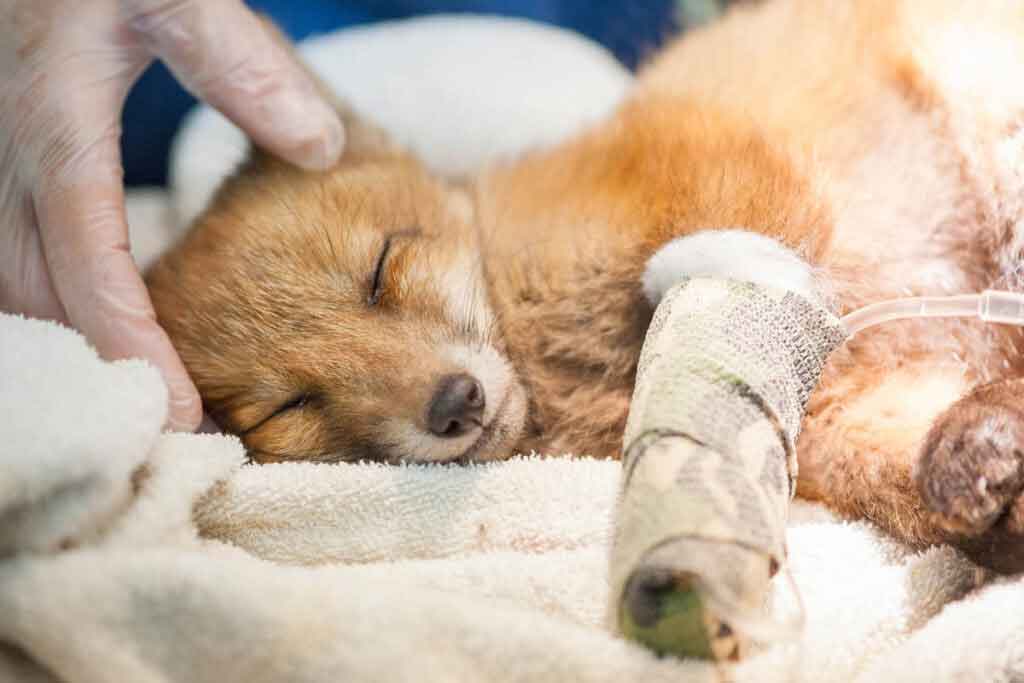

robots.txt (opens in a new tab)
HTTP 404No robots.txt found
Sitemaps
1Recent Updates
- Website images
- Screenshots
- Network details
- Website Technologies
- Pages and Search Information
- HTTP Response Information
- TLS and certificates
- DNS Information
- Domain Registration
- Website profile
- Website Description
- Website Name
- Website profile
- Website Description
- Website Name
User reviews (0)