
 简体中文
 English
Website review
This review may include AI-generated content and is not individually verified. Domain, certificate and other facts come from the observed data on this page.
What is Apotris?
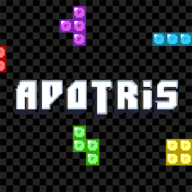
Apotris is a free block-stacking game in the Tetris genre, made by the developer behind akouzoukos. The site describes it as having responsive controls and extensive customization, with a browser version you can play directly and a GBA ROM build for people who want to run it on original handheld hardware or an emulator.
Who it's for
- Casual players who want a quick, no-cost falling-block game in the browser without installing anything.
- Tetris veterans who care about input feel and want to tune how the game plays rather than accept fixed rules.
- GBA enthusiasts who prefer playing on real hardware or emulators and like the idea of a homebrew-style release.
What to expect, and the trade-offs
The appeal is twofold: a responsive control scheme (important in a genre where timing and piece movement precision decide everything) and customization, which usually means adjusting things like handling, speed, or visual options to suit your skill level. The trade-off is that a heavily customizable game asks you to spend a little time in settings before it feels right, and a GBA ROM is less convenient than a browser tab if you just want a two-minute session.
If you're deciding whether to try it: open the browser version first and play a few rounds to judge the controls. If the feel suits you and you want it on a handheld, the GBA ROM is the natural next step. For context on the developer's other work, the same site lists Scrolls of Fire, a roguelike dungeon crawler for the GBA.
Is Apotris free to play, and are there any paid versions or extras?
Yes. Apotris is presented as a free block-stacking game, and the site also offers it as a GBA ROM. The page describes responsive controls and extensive customization but does not list paid editions, subscriptions, or paid extras.
What this means in practice
- Playing on a browser or emulator: You can try the game at no cost, which suits players who want a Tetris-style game without committing to a purchase.
- Playing on original GBA hardware: The ROM format is aimed at GBA users, including emulator players and those using flash carts. The page does not describe a separate paid version for this.
- Customization: The emphasis on customization suggests the free version is intended to be the main experience rather than a limited demo. The page does not detail whether every option is available in every format.
A sensible next step is to open akouzoukos and check the Apotris project page for the current download options and any notes about the GBA ROM. If you mainly want to play on a handheld, confirm the ROM's compatibility with your flash cart or emulator before setting it up.
How does Apotris compare to Tetris in gameplay and features?
Apotris is best understood as a Tetris-genre block stacker rather than a licensed Tetris product: it follows the familiar falling-block formula but emphasizes responsive controls and heavy customization, and it is offered as a free browser game with a GBA ROM version. The site also lists Scrolls of Fire, a roguelike dungeon crawler for the GBA, suggesting the developer's focus is small, handheld-friendly projects.
Where the difference shows up
- Gameplay core: Both involve stacking and clearing lines, so skills transfer. Apotris's stated selling point is control responsiveness, which matters most in fast play, where input lag decides whether a piece lands where you intended.
- Features: The emphasis is on customization — adjusting how the game plays and feels rather than on official branding, licensed music or sanctioned competitive modes.
- Platforms: A browser version lowers the barrier to trying it; the GBA ROM appeals to people playing on original hardware or emulators.
Practical comparison
| Aspect | Apotris | Tetris (official releases) |
|---|---|---|
| Genre | Block stacking, same family | Block stacking |
| Cost model | Free | Typically commercial |
| Customization | A central feature | Varies by release |
| Hardware | Browser and GBA ROM | Modern consoles, mobile, PC |
How to decide
If you want the canonical Tetris experience with official branding and online ladders, an official release fits better. If you mainly want to try a fast, tweakable version on a browser or a GBA, Apotris is the lower-commitment route. A concrete test: play a few minutes in the browser and check whether piece movement feels immediate under pressure — that is the claim the project leans on. For the original game's official products, see Tetris.
Can I play Apotris on a Game Boy Advance, and how do I get the GBA ROM?
Yes. Apotris is available as a Game Boy Advance ROM, so it can run on original GBA hardware (via a flash cart) or in a GBA emulator.
How to get the ROM
The ROM is offered on the developer's own site, akouzoukos, alongside the browser version. Download it there rather than from ROM-hosting sites, which often bundle modified or outdated builds.
What to expect on GBA
The page describes Apotris as a block-stacking game in the Tetris genre with responsive controls and extensive customization. On real hardware, expect the trade-offs typical of GBA homebrew: a small screen and D-pad controls suit the game well, but you'll need a flash cartridge (such as an Everdrive-style device) to load the ROM onto a physical GBA. Emulator players avoid that cost and can use keyboard or gamepad input.
Practical next step
If you own a GBA and a flash cart, download the ROM, copy it to the cart's storage, and launch it like any other GBA game. If you don't have a flash cart, try the browser version first to judge whether the controls and customization options suit you before investing in hardware.
What customization options and control settings does Apotris offer?
Apotris emphasizes customization and responsive controls, but the site introduction doesn't list the specific options. It describes Apotris as "a free block stacking game in the same genre as Tetris" with "responsive controls and tons of customization," and notes it is also available as a GBA ROM. The exact control remapping, handling settings (such as DAS/ARR-style tuning), and gameplay options aren't detailed in the supplied page evidence, so check the game's in-game settings or its documentation for the full list.
Practical next step: If you're comparing it with other falling-block games, treat "tons of customization" as a claim to verify in the settings menu—look specifically for key remapping, piece-handling speeds, and rule variants, since those are what most players actually adjust. For genre context, Tetris covers the mainstream version, while the same site's project list also mentions Scrolls of Fire, a roguelike dungeon crawler for the GBA, if you're interested in other GBA projects by the same developer.
What is Scrolls of Fire, and how does it play as a GBA roguelike dungeon crawler?
Scrolls of Fire is described on akouzoukos as a roguelike dungeon crawler made for the Game Boy Advance, listed alongside the developer's other GBA project, Apotris. That page identifies it by genre and platform but gives no detail on its combat, dungeon structure, controls or progression, so the specifics of how it plays aren't documented in the supplied material.
What "GBA roguelike dungeon crawler" implies
As general genre context rather than a description of this game: roguelikes typically combine turn-based or real-time dungeon exploration with permadeath, randomized layouts and item or character progression across runs. A GBA release usually means a compact ROM built around a D-pad and two face buttons, with short play sessions and save states or battery saves.
A practical next step
If you're deciding whether to try it, treat the genre label as the main signal and look for gameplay footage or a ROM download on the developer's own site before committing time. Players who enjoyed Apotris for its responsive controls may find the same developer's handling of a slower, exploration-driven genre worth checking; those wanting a Tetris-like experience should stay with Apotris instead.
 Cloudflare
User reviews (0)