
 简体中文
简体中文 English
Website review
This review may include AI-generated content and is not individually verified. Domain, certificate and other facts come from the observed data on this page.
What is Cocoa Store?
Cocoa Store is a specialty chocolate retailer focused on small-batch, artisanal bars and confections from makers around the world. Its catalog is organized for people who choose chocolate by origin, cacao percentage and producer rather than by brand alone.
What you can shop
- Bars: dark, 100%, >80%, milk, white, alternative-milk-and-sugar, and inclusion bars.
- Boxed chocolate and confections: hazelnut spread, chocolate-covered fruit and nuts, drinking chocolate, seasonal gifts and tasting selections.
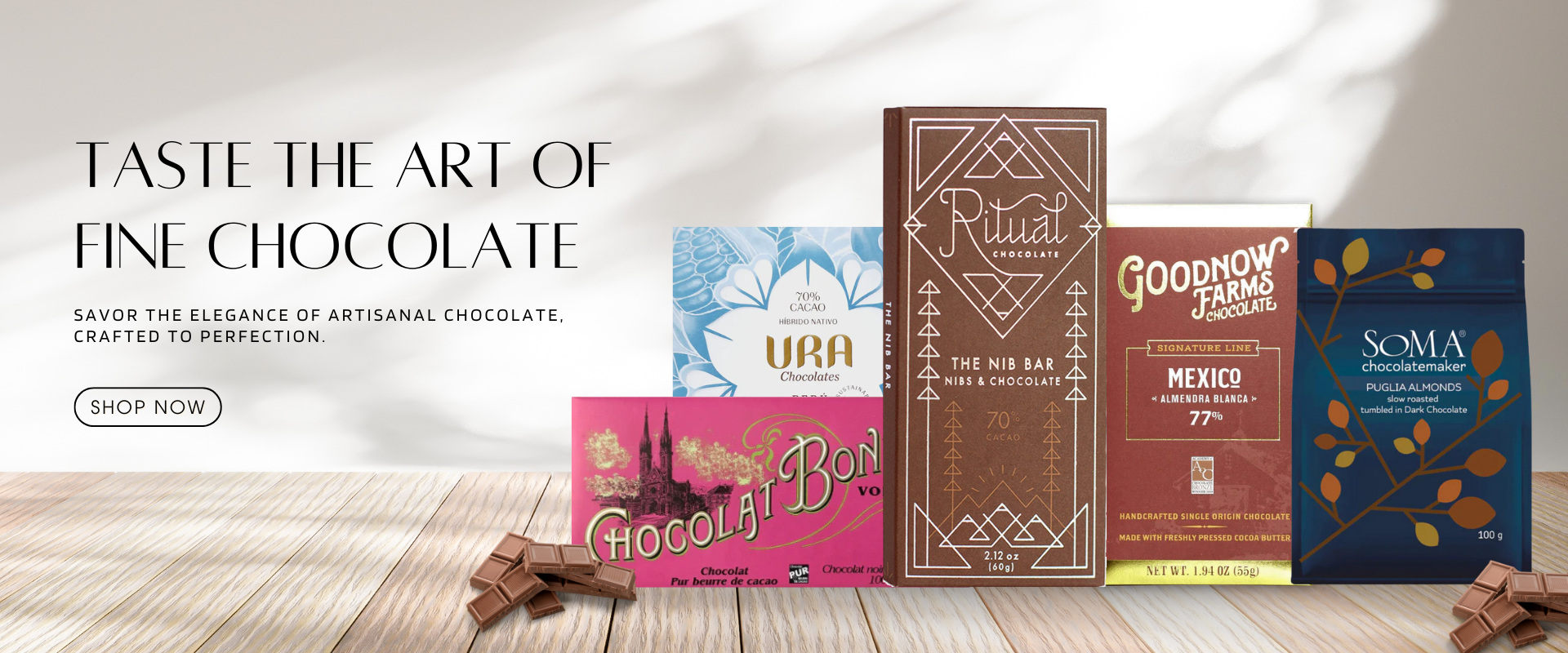
- Brands and collections: dozens of featured makers, including Domori, Bonnat, Dandelion, Soma, Michel Cluizel, Goodnow Farms, Castronovo and Recchiuti.
Who it suits
- Origin-focused buyers: listings name the maker, cacao origin and percentage, so you can compare Peru, Venezuela and other single-origin bars directly.
- Gift shoppers: boxed and seasonal options make it easy to assemble a present without knowing a recipient's exact taste.
- Tasting hosts: the range of makers and styles supports side-by-side comparisons of cacao origin, percentage and craft style.
Practical trade-offs
Specialty chocolate costs more than supermarket bars, and small-maker stock can rotate. If you already know a favorite producer, start with that brand's collection; if you are exploring, pick two or three bars at similar percentages from different origins to taste the difference. The store also lists a New York pickup location with daily hours, which helps local buyers avoid shipping.
A useful next step: decide whether you are buying for everyday eating, a gift or a tasting, then filter by cacao percentage or maker. For broader context on craft chocolate, see Fine Chocolate Industry Association.
How can I find chocolate bars from a specific brand at Cocoa Store?
Use Cocoa Store's brand collections and its All Bars category together: the brand pages are the fastest way to see everything a maker offers, while the bars category is better for filtering by style, such as dark, milk, white or inclusion bars.
Two practical routes
- Start with the brand. The site lists dozens of maker collections, including Domori, Soma, Dandelion, Michel Cluizel, Bonnat, Goodnow Farms, Castronovo, Recchiuti, Ruket and Svenska Kakao. A brand collection is the most direct route when you already know the maker.
- Browse All Bars. This groups bars by type, including dark, 100%, over-80%, milk, white, alternative milk and sugar, and inclusion bars. Use it when you care more about style or cocoa percentage than about the maker.
If you are choosing between several brands
| Your priority | Better starting point |
|---|---|
| A specific maker | That maker's collection |
| A cocoa percentage or bar style | All Bars |
| A gift or mixed selection | Boxed Chocolate or Seasonal Gifts |
| Trying several makers | Chocolate Tastings or a mixed order |
For example, someone hunting for a Venezuelan Criollo bar might look at Domori's collection and compare its Criollo Guasare, Chuao and Canoabo bars side by side. Someone who simply wants a strong dark bar can start in All Bars and work through the 70% and over-80% groups instead.
A useful next step is to check the Shop by Brands list at the bottom of the page, open the maker you want, then use the bars category if the brand page feels too broad. If you are in New York, the store also lists tasting sessions and a Broadway location, which can help you try a maker before committing to a full bar.
What are the differences between the various dark chocolate percentage bars available at Cocoa Store?
Cocoa Store sorts its dark bars by percentage, and the practical difference is how much sugar and added cocoa butter remain once cacao content rises. At the same cacao percentage, origin and maker still change flavor: a 70% bar from one maker can taste fruitier or more bitter than another.
What the percentage bands mean
- 70% dark chocolate: The most approachable band. Typically balanced between sweetness and cacao intensity, with room for fruit, nut and caramel notes. Examples on the page include Orfeve Quillabamba 70% from Peru and three Domori Criollo 70% bars from Venezuela (Guasare, Chuao, Canoabo).
- Over 80% dark chocolate: Less sugar, more direct cacao flavor. Expect stronger bitterness, drier texture and more pronounced origin character. Better for people who already like dark chocolate and want to taste the bean rather than the sweetness.
- 100% chocolate bars: No added sugar, so no sweetness to soften the cacao. These are the most intense and the least forgiving; they suit baking, tasting flights or eaters who genuinely enjoy unsweetened cacao.
- Alternative milks and sugars, milk, white and inclusion bars: These sit outside the dark percentage scale. They are useful as contrast within a tasting rather than as a step on the same ladder.
Same percentage, different bar
The Domori Criollo trio on the page shows why percentage alone is a weak guide. All three are 70% and similarly priced, yet each names a different Venezuelan cacao source. Criollo is a prized, low-yield variety, so the differences you notice will come from origin and the maker's roasting and conching choices, not from the number on the label.
How to choose
- New to dark chocolate: start at 70%, ideally two bars from different makers or origins side by side.
- Want less sweetness without full intensity: look at the over-80% range.
- Chasing pure cacao flavor or cooking: choose 100%.
- Buying as a gift: a 70% bar is the safer pick than a 100% bar, which can read as harsh to someone expecting sweetness.
A useful next step is to build a small vertical tasting: one 70%, one over-80% and one 100% bar from the same maker or region, then note where sweetness stops and cacao starts. If you want to explore beyond this shop, Dandelion Chocolate and Michel Cluizel both publish origin-focused bar ranges worth comparing.
What types of boxed chocolates and chocolate-covered treats does Cocoa Store sell?
Cocoa Store's boxed and confectionery range falls into three practical groups: gift-ready boxes, chocolate-covered fruit and nuts, and spreads or jarred treats. The site organizes these under "Boxed Chocolate," alongside bars, drinking chocolate, seasonal gifts and corporate options.
What the boxed and covered categories include
- Chocolate-covered fruit and nuts — the clearest examples in the range are Vestri's candied orange slices and candied orange peels, both coated in dark chocolate and priced at $27. This is the category to look at if you want something that reads as a confection rather than a bar: the fruit or nut carries the flavor, and the chocolate is the coating.
- Spreads and jarred chocolate treats — Ruket's "Marco Gruppioni" Crema di Nocciola hazelnut spread (190g) at $20 sits here. It is a pantry or gift item rather than a boxed assortment.
- Boxed chocolate — the site presents this as its own top-level category, separate from bars. The page evidence shows the category exists but does not list individual boxed assortments or their contents, so exact formats (filled bonbons, carrés, tasting boxes) are not confirmed here.
- Bars, for contrast — single-origin and percentage-specific bars are a separate section, with examples such as Orfeve Quillabamba 70% from Peru at $17 and Domori Criollo Guasare, Chuao and Canoabo 70% bars from Venezuela at $17.50 each. If you are choosing between a bar and a box, the bar is the more specific, origin-focused purchase.
Who each format suits
| Format | Best for | Trade-off |
|---|---|---|
| Chocolate-covered fruit and nuts | Hostess gifts, holiday tables, people who find plain chocolate too intense | Shorter shelf life than solid bars; candied fruit is a polarizing texture |
| Spreads and jarred treats | Pantry gifts, breakfast and baking use | Not a traditional "box of chocolates" |
| Boxed chocolate | Assortments and gifting where variety matters | Contents and piece counts are not detailed in the available page information |
| Bars | Origin comparison and controlled tasting | Less variety per purchase; you commit to one maker and percentage |
A practical next step
If you are buying for a gift, start with the covered fruit and nuts, since they are the most concrete items described and photograph well as a present. If you want an assortment, browse the Boxed Chocolate category directly and check the individual product pages for piece counts and fillings before ordering. Note that free shipping applies on orders over $60, which is roughly two or three confections at the prices shown — useful if you are building a small gift order rather than buying a single item.
For broader context on how makers and origins are labeled, the stores' brand lists overlap with specialist retailers such as Dandelion Chocolate and Michel Cluizel, both of which appear among the featured collections here.
How does Cocoa Store's pricing and shipping policy work for online orders?
Cocoa Store sells bars, boxed chocolates, drinking chocolate and seasonal gifts from a long roster of makers, and the page shows one clear shipping threshold: free shipping on orders over $60. Beyond that, the page does not spell out flat rates, carrier options, delivery windows or return terms, so treat the $60 figure as the only confirmed shipping fact and check the Shipping and Returns pages at checkout for the rest.
What the page does show about price
Individual bar prices are listed per item, and they cluster in a narrow band:
- Orfeve Quillabamba 70% Dark Chocolate (Peru): $17.00
- Domori Criollo Guasare, Chuao and Canoabo 70% (Venezuela): $17.50 each
- Ruket "Marco Gruppioni" Crema di Nocciola hazelnut spread (190g): $20.00
- Vestri candied orange slices or peels in dark chocolate: $27.00
- Domori roasted cacao beans: $25.00, marked down from $35.00
So a typical single-origin bar sits around $17–$17.50, while confections and larger formats run higher. The site also lists prices in USD, GBP and EUR, which matters if you are ordering from outside the United States.
How to think about the $60 threshold
The threshold rewards buying in small batches rather than one bar at a time. At roughly $17.50 a bar, four bars land at $70 and clear free shipping; three bars at about $52.50 do not. If you are ordering a single bar, expect to pay shipping on top, which changes the effective cost per bar considerably.
A practical approach: build a cart of three or four bars, check the shipping charge shown at checkout, and compare it with adding one more bar to cross $60. If shipping costs more than the extra bar, the threshold pays for itself.
Where to look next
- Shipping and Returns pages for rates, carriers, delivery estimates and the return window.
- Sale and New sections for markdowns like the Domori cacao beans, which can help you reach the threshold for less.
- Shop by Brands if you want to compare several makers in one order instead of paying shipping repeatedly.
- The New York store at 873 Broadway, open Monday–Saturday 11:30am–6:30pm and Sunday 11:30am–6:00pm, if you would rather buy in person and skip shipping entirely.
For a concrete scenario: a buyer in the UK wanting two Domori Criollo bars faces a roughly $35 subtotal plus international shipping, well under the $60 mark. Adding a third bar or a $20 hazelnut spread gets the order over the line and makes the free-shipping offer work in their favor.
One caveat: the page shows a sale price on the Domori roasted cacao beans with an expiration date noted, so sale pricing and availability can change. Confirm the live price in your cart before relying on it to hit the $60 threshold.
What chocolate tasting or corporate gift services does Cocoa Store offer?
Cocoa Store lists Chocolate Tastings and Corporate as distinct services in its main navigation, alongside its retail categories, so both appear to be offered directly by the shop rather than only as product lines. The site also shows a physical presence in New York, open Monday–Saturday 11:30am–6:30pm and Sunday 11:30am–6:00pm, at 873 Broadway between 18th and 19th.
Chocolate tastings
The tasting service is best understood as a guided way to work through the shop's range of makers and origins. The catalog is organized for exactly that kind of exploration:
- By style: All Bars, All Dark Chocolate, 100% Chocolate Bars, >80% Chocolate Bars, White Chocolate Bars, Milk Chocolate Bars, Alternative Milks and Sugars, Inclusion Chocolate Bars.
- By format: Boxed Chocolate, Chocolate Covered Fruit and Nuts, Drinking Chocolate, Seasonal Gifts.
- By maker: Featured Collections such as Domori, Bonnat, Soma, Dandelion, Michel Cluizel, Goodnow Farms, Castronovo, Recchiuti, Kasama and Svenska Kakao, with item counts per brand.
The listed bars show the kind of comparison a tasting can support: single-origin and single-variety dark chocolates such as Orfeve Quillabamba 70% from Peru and Domori Criollo Guasare, Criollo Chuao and Criollo Canoabo 70% from Venezuela. Tasting flights built around one maker or one cacao variety make the differences in origin and processing easier to notice than buying a mixed assortment.
For a practical next step, decide whether the goal is education (compare several origins or percentages side by side) or entertainment (a smaller, more approachable set with milk, white and inclusion bars). The site's brand collections make the first option straightforward to assemble.
Corporate gifts
The Corporate page is the relevant entry point for business orders, and the catalog supports several gift formats:
- Boxed Chocolate and Seasonal Gifts for ready-made presentation.
- Chocolate Covered Fruit and Nuts, including Vestri candied orange slices and peels covered in dark chocolate.
- Small-batch maker bars for a more distinctive, less generic gift.
- Drinking Chocolate for recipients who prefer something to prepare at home.
Two details help with planning. First, the site advertises free shipping on orders over $60, which matters when sending multiple gifts to one address; for many separate recipients, it is worth asking about consolidated corporate handling instead. Second, some items are marked as sale or short-dated stock, such as Domori Roasted Cacao Beans with an expiration of 8/31/26 — fine for an event you are hosting soon, less suitable for gifts meant to be stored. A returns policy and wholesale option are also listed, so a business buyer can ask about both before committing to a larger order.
Choosing between them
| Need | Better fit | Why |
|---|---|---|
| Learn about origins, percentages and makers | Chocolate Tastings | The catalog is organized by style, origin and brand, which suits side-by-side comparison |
| Thank clients, staff or partners | Corporate | Boxed and seasonal formats are designed for gifting, with shipping thresholds to consider |
| Serve at an event | Either | Tastings work as an activity; boxed and covered-fruit items work as favors or table gifts |
| Buy at volume | Corporate | Ask about wholesale and consolidated shipping rather than ordering gift by gift |
If you are unsure, start with the Corporate page for gifting logistics and the Chocolate Tastings page for the tasting format, then check the Featured Collections to see whether a specific maker or origin fits the audience.
 Cloudflare
 Ottawa, Ontario, Canada
User reviews (0)