Website profiles · Technology insights · Alternatives

daleysfruit.com.au

Fruit Trees - Daleys Fruit Tree Nursery Sell Fruit Trees like Subtropical Fruits, Nut trees, Forestation trees, Herbs and Rainforest trees

Paid content
Visit website
Profile views 5 Outbound visits 1 Normal
Daleys Fruit Tree Nursery Full homepage screenshot

At a glance

Category
Agriculture & Gardening
Language
English
Paid-content signal
Paid contentObserved
Registered
Unknown
Hosting
CloudflareInferred
HTTPS certificate trusted
PassedObserved
Last updated

Website review

This review may include AI-generated content and is not individually verified. Domain, certificate and other facts come from the observed data on this page.

What is Daleys Fruit Tree Nursery?

Daleys Fruit Tree Nursery is an Australian mail-order nursery specialising in fruit trees and other useful plants. Its catalogue covers subtropical and temperate fruit, nut trees, rainforest species, herbs and forestry trees, and it ships plants rather than just selling seed or gardening advice. The site presents itself as a long-running family-style nursery, and its plant pages are built for buyers who already know roughly what they want to grow.

H3 What you will find there

  • Individual plant pages with a short description, climate notes and propagation method (for example grafted versus cutting-grown plants).
  • Size and pot-volume options on many listings, so you can choose a smaller plant or a more established one.
  • Practical categories such as indoor plants, discounted or "odd bunch" plants, and specials.
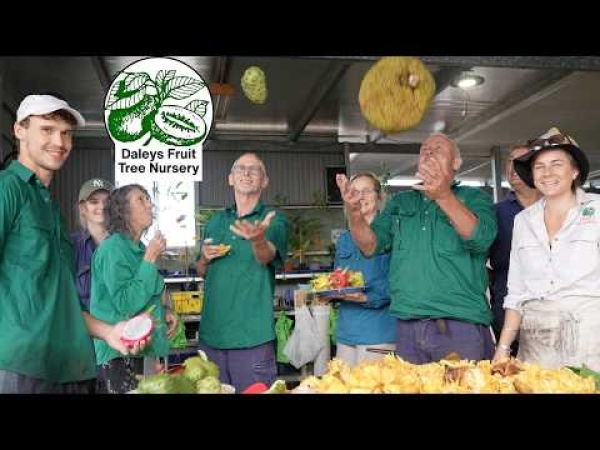
  • Supporting material about the nursery itself, including videos and a TV segment, aimed at building confidence in ordering live plants by mail.

H3 Who it suits The nursery is most useful if you garden in Australia and want edible or landscape trees that are hard to find in chain stores: unusual subtropical fruits, native bushfood species like riberry, or nut trees. It is less suited to someone who wants instant garden-centre convenience, since plants arrive by post and need establishing. A reader in a cool, humid climate, for example, should read the climate note on a grape listing before buying, because varieties such as Sultana prefer hot, dry conditions.

H3 Trade-offs to weigh Mail-order plants cost more per plant than local seedlings and carry freight and establishment risk. Choosing a larger pot size reduces the wait for fruit but raises the price. Some species, such as the Chinese red bayberry, are dioecious and the seedlings are not sexed, so you may need more than one plant or accept uncertainty about fruiting.

A useful next step is to browse the in-stock list, note the climate and propagation details for two or three candidate trees, then compare them with what a local nursery or another Australian specialist offers. For broader context on edible gardening in Australia, Gardening Australia is a reasonable reference.

How do I choose the right fruit tree for my climate and garden?

Start with your climate zone and available space, then match the tree's mature size and pollination needs to what you can actually provide. Daleys Fruit Tree Nursery organises its catalogue around exactly these decisions: it lists tropical, subtropical, nut, rainforest and herb plants, and each plant page states climate preferences, pot volume, height, propagation method and stock levels.

Climate first

  • Subtropical and warm-temperate gardeners have the widest choice; the nursery's own listing for Grape - Sultana H5 notes it "prefers hot dry climate free of humidity," which is a useful reminder that a heat-loving plant can still fail in a humid coastal garden.
  • Cool-temperate and frost-prone gardeners should filter for deciduous and nut trees rather than rainforest species.
  • Humid versus dry summers matters as much as minimum temperature. A tree that ripens fruit in a dry autumn may split or rot in a wet one.

Space and rootstock

  • Check the mature height and spread, not the pot size. Dwarf and semi-dwarf forms such as the Dwarf Almond - All in One are bred for small yards and pots.
  • Propagation method tells you what to expect: grafted trees (as with the Sultana grape listing) usually fruit earlier and truer to type, while cutting-grown and seedling plants can vary. Seedling bayberry is explicitly sold as unsexed, meaning you may need several plants to get a fruiting female.
  • Container growing is viable for many varieties if you match pot volume to the plant's stage — the nursery sells planter bags and small pot sizes for this reason.

Pollination and yield

  • Some trees need a partner. Dioecious species (separate male and female plants) and self-incompatible fruit require two or more trees, so confirm before buying a single specimen.
  • Self-fertile types suit courtyards and balcony growers with room for only one tree.

Practical next step Decide your three non-negotiables — minimum winter temperature, hours of sun, and maximum mature height — then browse the nursery's in-stock list and read the individual plant page for each candidate. If you are unsure, buying two small plants of a pollination-dependent variety is usually cheaper than replacing one large tree later. For broader climate-zone guidance, your state botanical garden or a group such as Gardening Australia can help you map your local conditions before you order.

What are the best fruit trees for growing in pots or small spaces?

For pots and small spaces, look for naturally dwarf or compact trees, self-fertile varieties, and species that tolerate root restriction or pruning. Daleys Fruit Tree Nursery is an Australian specialist that lists fruiting and non-fruiting plants with size and propagation details, so it's a practical place to compare options before buying.

Daleys Fruit Tree Nursery

Good candidates for containers

  • Dwarf almond (self-fertile) — a compact nut tree suited to a large pot; self-fertility matters because you need only one tree.
  • Grapes — vigorous but very trainable; varieties such as Sultana H5 and Menindee Seedless can be grown on a trellis or in a large container with annual pruning.
  • Lilly pilly / riberry — an evergreen Australian native that responds well to pruning and can be kept as a dense screen or potted specimen.
  • Bayberry (Chinese red) — an evergreen fruiting tree, but note it is dioecious, so seedlings may be male or female; unless you buy a known female, fruiting is uncertain.

What to check before choosing

Factor Why it matters in a pot
Natural size Dwarf or compact types need less pruning and repotting
Pollination Self-fertile trees fruit with one plant; dioecious or cross-pollinating types need a partner
Climate Hot, dry-loving plants like grapes struggle in humid areas; match the tree to your local conditions
Propagation Grafted or cutting-grown plants usually fruit truer and sooner than seedlings
Pot volume Larger pots buffer temperature and moisture; small pots dry out fast

A practical next step

Decide whether you want fruit, nuts or an ornamental screen, then filter the nursery's plant list by mature height and pollination needs. If space is very tight, start with one self-fertile dwarf tree in the largest pot you can manage, and add a grape on a trellis only if you have a sunny wall or fence.

How do I care for and maintain fruit trees after purchase?

After buying from Daleys, the first week matters more than any fertiliser: get each tree out of its pot or bag stress and into a spot that matches its climate, then keep moisture steady while it establishes. Daleys sells both grafted and cutting-propagated stock, and its own listings show why that distinction changes care — for example, the Sultana H5 grape is offered as a grafted 2L plant and as a cutting-grown 0.75L plant, with the grafted form priced higher. Grafted trees generally cost more but can fruit sooner and behave more predictably; cutting-grown plants are cheaper but may take longer to crop.

The first two weeks

  • Water thoroughly on arrival, then let the surface dry slightly before watering again. Soggy roots kill more new trees than dry ones.
  • Plant in the cooler part of the day and, in hot or windy weather, shade the tree for a few days with cloth or a temporary screen.
  • Keep the pot label or your own note of the variety, propagation method and pot size. It makes later pruning and feeding decisions much easier.
  • If you cannot plant immediately, stand the pot in a sheltered spot and water as needed. Don't leave small tubes baking on concrete.

Matching the plant to the place

Daleys' own descriptions carry climate warnings worth heeding. The Sultana grape "prefers hot dry climate free of humidity" — so in a humid coastal garden, expect disease pressure and choose a different variety or a protected, airy position. The Chinese red bayberry is described as an evergreen dioecious tree with separate male and female plants, and its seedlings are not sexed. That means you may need more than one plant, or a known female, to get fruit at all. Planning for pollination before planting avoids years of waiting for nothing.

Ongoing maintenance

  • Water: deep, less frequent watering encourages roots to spread. Adjust for pot size, soil type and season rather than following a fixed schedule.
  • Mulch: keep a ring of organic mulch clear of the trunk to hold moisture and suppress weeds.
  • Feed: wait until the tree shows active new growth after planting, then feed lightly. Overfeeding young trees pushes soft growth that pests and cold damage attack.
  • Prune: remove dead or crossing wood first; shape according to the crop. Grapes need a trellis and annual pruning to crop well; most fruit trees benefit from an open structure that lets light in.
  • Pests and disease: inspect new leaves weekly. Early removal of affected leaves or a strong water jet often solves small problems before sprays are needed.
  • Pots: if growing in containers, upsize gradually as roots fill the pot, and expect more frequent watering than in open ground.

A practical decision rule

If you want fruit quickly and have one good spot, pay for grafted, named stock and give it the best position. If you are experimenting, filling a large garden or working to a tight budget, cutting-grown or seedling plants are reasonable — just accept a longer wait, and for dioecious species like bayberry, plan for pollination from the start.

For variety-specific climate notes, check the individual plant pages at Daleys Fruit Tree Nursery, and for general growing guidance in your region, your state gardening service is a good next stop.

What are the current specials and discounted fruit trees available?

Daleys Fruit Tree Nursery currently highlights a few ways to save: multi-buy "Buy 2+" pricing on individual fruit trees, an "Odd bunch plants" clearance section, and a "Cheap Discounted Plants" category. The clearest live example in the page evidence is Grape - Sultana H5 at $24.00 for a 2L grafted plant, with a Buy 2+ price of $24.00 each against a usual $29.00, and a smaller 0.75L cutting at $17.90, or $17.90 each when you buy two or more versus $19.75. Other listed specials include Bayberry - Chinese Red Seedling ($89.00, with a $59.00–$129.00 size range), Lilly Pilly - Riberry, Grape - Menindee Seedless, Grape - Perlette Seedless, Dwarf Almond - All in One, and Tagasaste - Tree lucerne. Planter Bags - 4 Litre x 25 also appear among the featured items.

How to judge whether a "special" is worth it

  • Compare pot size and propagation method, not just price. A grafted 2L tree and a cutting-grown 0.75L plant are different products with different establishment times and fruiting expectations.
  • Check the multi-buy threshold. The Sultana grape only drops to the lower price when you buy two or more, so a single tree may not be discounted at all.
  • Treat "Odd bunch" and clearance listings as variable. Stock, size and condition change week to week, so what is available today may not be there next month.
  • Factor in climate fit. The Sultana grape, for instance, is described as preferring a hot, dry climate free of humidity, so a cheap plant can still be poor value if your area is humid.
  • Watch for dioecious or unsexed plants. The Chinese Red Bayberry is described as dioecious with seedlings not sexed, meaning you may need more than one plant, or a known female, to get fruit.

A practical next step

If you are shopping for value, start with the cheap and odd-bunch categories, then cross-check each plant's climate and pollination needs before buying. For a concrete example, a home grower in a hot inland area might buy two Sultana H5 grapes to hit the Buy 2+ price and ensure pollination, while a coastal gardener in a humid zone should probably skip it and look at the Lilly Pilly - Riberry instead. You can browse the nursery's current offers at Daleys Fruit Tree Nursery.

How does Daleys ensure plants arrive safely when shipped across Australia?

Daleys addresses safe arrival mainly through how it propagates, sizes and packs plants for mail order — not through a published guarantee. The product listings show the practical levers: plants are sold in small pot volumes (0.75L and 2L appear on the grape listings) and at modest heights (10–20cm for cutting-propagated stock, 40–50cm for grafted stock), which keeps root balls and top growth compact enough to survive a courier journey. The site also states it has been mail ordering fruit trees and other plants since the 1980s, so the packing method is long-established rather than experimental.

What the listings imply about shipping survival

  • Small pot sizes: A 0.75L or 2L pot holds a limited root mass, so the plant is less likely to be shaken loose or dried out in transit than a large bagged specimen.
  • Propagation method matters: Grafted and cutting-propagated plants are sold as established, rooted individuals rather than bare-root or seed, which travel better because the root system is already active.
  • Height trimming: Short plants fit standard cartons without bending or snapping the leader.
  • Stock levels: Listings show large in-stock counts (for example, 228 units of one grape size), suggesting plants are pulled from a holding area and packed to order rather than sitting boxed for long periods.

A realistic buyer scenario

If you are ordering a 2L grafted grape to a rural address in a different climate zone, the main risks are heat in transit and drying out. A practical approach is to order early in the week so the parcel does not sit in a depot over a weekend, choose the smaller pot size if you are confident in your aftercare, and unpack and water immediately on arrival. For sensitive species, ask about dispatch timing before ordering.

Decision criteria

  • Order smaller pot sizes for long-distance freight; order larger sizes only if you can collect or the courier is fast.
  • Avoid ordering in extreme heat if you cannot be home to receive the parcel.
  • Check whether the species you want is dioecious (the Chinese Red Bayberry listing notes separate male and female plants and that seedlings are not sexed) — that affects what you receive, not just how it ships.

As a next step, compare the specific plant pages for pot size and propagation method before buying, since those two details are the best available signal of how well a plant will travel. Nursery mail-order packing is a general practice; the specifics above come from the product listings rather than a stated shipping policy.

Related questions

More questions →
Does Daleys Fruit Tree Nursery Sell Indoor Plants and Discounted Plants?

Yes. Daleys Fruit Tree Nursery lists both an Indoor Plants category and discounted plant categories on its site, including "Cheap Discounted Plants" and "Odd bunch plants." These are separate browse pages, so the fastest way to confirm current stock, sizes, and prices is to open each category directly rather than assume availability from the homepage.

What the site shows

The nursery's own navigation and product links point to these categories:

Category What it suggests
Indoor Plants A dedicated page for plants suited to indoor growing
Cheap Discounted Plants A general discounted plant listing
Odd bunch plants Special or irregular stock, described on the site as "specials seconds deals"

The "Odd bunch plants" label is the clearest signal that some discounts come from special batches or non-standard stock rather than across-the-board markdowns. That matters if you care about uniform size or appearance.

How discounts actually appear

Discounting on the site shows up in at least two forms:

  • Category-level pages such as Cheap Discounted Plants and Odd bunch plants.
  • Per-product quantity deals, where buying more than one unit lowers the unit price.

A concrete example from the site is Grape - Sultana H5, priced at $24.00 with a size range of $17.90–$29.00. The listing shows a "Buy 2+" deal at $24.00 each (usually $29.00 each) for the 2L grafted option, and $17.90 each (usually $19.75 each) for the 0.75L cutting option. So the discount here is tied to buying multiple plants, not to the plant being defective.

What to check before buying

Discounted and indoor listings can differ from standard fruit tree listings in ways that affect your decision:

  • Stock and size vary. The Sultana grape example alone spans two pot volumes (2L and 0.75L), two heights (40–50cm and 10–20cm), and two propagation methods (grafted vs. cutting). Discounted or odd-bunch stock may be similarly mixed.
  • Availability is listed per size. The same product page shows separate stock counts for each size option, so a discount on one size does not mean all sizes are discounted or in stock.
  • Indoor plants are a distinct category. If you are shopping for indoor plants specifically, use that page rather than filtering fruit trees, since the nursery's main identity is fruit and non-fruiting trees.

Practical next step

Open the Indoor Plants, Cheap Discounted Plants, and Odd bunch plants pages directly, then check the specific size and propagation method on each listing before adding to cart. If a discount depends on a "Buy 2+" deal, confirm the per-unit price and the size it applies to, because the deal may only cover one pot volume or height.

Is Daleys Fruit Tree Nursery a Good Place to Buy Fruit Trees in Australia?

Daleys Fruit Tree Nursery is a long-running Australian mail-order nursery that has been selling fruit trees since 1980, and it is a reasonable choice if you want subtropical fruits, nut trees, rainforest trees, or herbs shipped to you rather than buying locally. It is not automatically the best option for every buyer: whether it suits you depends on the species you want, the size and propagation method offered, and whether mail order works for your location and climate.

What Daleys actually is

The nursery describes itself as a fruit tree and non-fruiting plant seller operating since 1980, when it began selling at local markets before moving into mail order. Its catalogue is broad rather than narrow — the site lists fruit trees alongside nut trees, forestation trees, herbs, and rainforest trees, and it maintains an "Entire Plant List" with weekly updates.

That breadth is the main reason people consider it. If you are looking for a specific subtropical or unusual species rather than a standard apple or citrus, a specialist mail-order nursery is often the only practical route.

What the listings tell you before you buy

Individual product pages carry more decision-relevant detail than a typical retail listing. Using the Sultana H5 grape as an example, the page shows:

  • Price range by size: $24.00, with a stated range of $17.90–$29.00 depending on the size chosen
  • Pot volume: 2L or 0.75L
  • Plant height: 40–50cm for the larger option, 10–20cm for the smaller
  • Propagation method: grafted for the 2L, cutting for the 0.75L
  • Stock level: shown as in-stock counts (228 and 40 in this case)
  • Bulk pricing: "Buy 2+ @$24.00ea usually $29.00ea" on one option, and "Buy 2+ @$17.90ea usually $19.75ea" on the other

This matters because grafted versus cutting-propagated stock behaves differently in the garden, and a 10–20cm cutting is a much smaller plant than a 40–50cm grafted tree at a similar headline price. Check these fields rather than the price alone.

The same page also notes the Sultana grape "prefers hot dry climate free of humidity," which is the kind of climate caveat you should read before ordering any variety.

Where you need to be careful

Two things stand out from the listings themselves.

Seedlings may not be sexed. The Chinese Red Bayberry listing ($89.00, range $59.00–$129.00) states the tree is dioecious — separate male and female plants — and that "our seedlings are not sexed." If you buy a seedling of a dioecious species, you may not get a fruiting female plant. For fruit production, grafted or known-sex material is usually the safer purchase.

Price ranges reflect real differences. A range like $59.00–$129.00 is not a sale spread; it reflects different sizes or grades. Confirm which size you are selecting before checkout.

How to decide

Your situation Reasonable approach
You want an unusual subtropical, rainforest, or nut species Worth checking the catalogue and the weekly plant list
You want a common fruit tree available at a local nursery Compare total cost including delivery against a local purchase
You need a guaranteed fruiting female of a dioecious species Look for grafted or sexed stock, or ask before ordering
You are buying multiple plants Check the "Buy 2+" bulk pricing shown on individual listings
You are unsure about climate suitability Read the variety description for climate notes, as with the Sultana grape

Practical checks before ordering

  1. Open the specific product page for the variety you want.
  2. Note the pot volume, height, and propagation method — not just the price.
  3. Check the in-stock count; if it is low, availability may change.
  4. Read the description for climate preferences and any sexing or pollination caveats.
  5. Check whether a bulk discount applies if you are buying more than one.
  6. Confirm current pricing and delivery terms on the site, since these are set by the nursery and can change.

The nursery also runs groups and social pages for learning about fruit trees, which can be useful for checking how a variety performs in your area before you commit.

How Mail Order Works at Daleys Fruit Tree Nursery

Daleys Fruit Tree Nursery has shipped plants by mail order since 1980, and its website is built around that model: each plant listing shows live stock counts and a price range that changes with the size you pick, so you can assemble an order online and have it dispatched to you. The exact delivery area, freight cost and packaging method are not stated in the material available here, so confirm those with the nursery before you rely on a particular delivery date or budget.

What the site tells you before you order

The product pages carry the information you need to judge availability and size:

  • Stock status – listings show quantities, for example the Sultana H5 grape shows "In Stock (228)" for the 2L grafted size and "In Stock (40)" for the 0.75L cutting size.
  • Price by size – the same plant is priced across a range depending on the pot volume, height and propagation method. The Sultana H5 grape is listed at $24.00 for a 2L grafted plant (40–50cm) and $17.90 for a 0.75L cutting (10–20cm), with a "Buy 2+" discount on each.
  • Propagation method – grafted versus cutting is stated per size, which matters for how the plant will perform for you.
  • Bulk discounts – some listings apply a lower unit price when you buy two or more.

Because stock counts are shown per size, a plant can be available in one pot size and sold out in another. Check the specific size you want rather than the plant name alone.

The categories you can order from

The nursery's range is broader than fruit trees. Its buy pages include:

Category Example listing
Indoor plants Indoor Plants
Discounted stock Cheap Discounted Plants
Irregular/odd stock Odd bunch plants
Subtropical and other fruit Grape – Sultana H5, Grape – Menindee Seedless, Grape – Perlette Seedless
Native and bush food Lilly Pilly – Riberry, Bayberry – Chinese Red Seedling
Nuts Dwarf Almond – All in One
Support items Planter Bags – 4 Litre x 25

The "Odd bunch" and discounted pages are worth checking if price matters more to you than uniformity, since those listings sit outside the standard range.

What to confirm before you buy

The site material does not state delivery zones, freight charges, dispatch timing or how plants are packed for transit. Treat those as open questions and get answers first:

  1. Delivery area – ask whether your state, territory or region is served, and whether any quarantine restrictions apply to the species you want.
  2. Freight cost – get a quote for your actual order, since plant orders are priced by size and weight rather than a flat rate.
  3. Packaging and transit time – ask how bare-rooted or potted plants are protected and how many days they will be in transit, so you can plan to be home on arrival.
  4. Size expectations – the listed heights (for example 40–50cm versus 10–20cm) tell you what arrives, so match the size to how much patience you have.
  5. Sexed versus unsexed stock – some species are sold as seedlings that are not sexed. The Chinese Red Bayberry listing notes the tree is dioecious with separate male and female plants and that seedlings are not sexed, which means you may need more than one plant, or a known female, to get fruit.

A practical ordering sequence

  1. Browse the plant list or a category page and open the listing for the species you want.
  2. Choose the pot size and propagation method from the options shown, and note the price and stock count for that exact option.
  3. Add the item to your cart; the cart reflects the size you selected.
  4. Before checkout, contact the nursery with your delivery address to confirm freight, timing and any restrictions.
  5. Place the order once those answers fit your budget and schedule.

If you are ordering a species with separate male and female plants, or one that needs a pollination partner, resolve that question before checkout rather than after the plants arrive.

How to Choose the Right Size and Type of Plant at Daleys Fruit Tree Nursery

Daleys Fruit Tree Nursery lists each plant with several purchase options, and the choice you make changes both the price and how soon you get fruit. On a product page you will typically see a pot volume (for example 2L or 0.75L), a plant height (for example 40–50cm or 10–20cm), and a propagation method such as grafted or cutting. Larger, grafted plants cost more but usually establish and crop sooner; smaller cutting-grown plants cost less but take longer. Match the option to your space, climate and patience rather than defaulting to the cheapest or largest.

What the options on a product page actually mean

Using the Grape - Sultana H5 listing as a worked example, the page shows four variants side by side:

Attribute Option A Option B
Price $29.00 $19.75
Pot volume 2L 0.75L
Height 40–50cm 10–20cm
Propagation Grafted Cutting
SKU 5791 4110

The page also applies a quantity discount: buying two or more drops the price to $24.00 each for the 2L grafted plant and $17.90 each for the 0.75L cutting. So the "usually" price and the "buy 2+" price are different numbers, and the discount is per plant, not per order.

Pot volume and height

Pot volume tells you how much root system and growing medium the plant arrives with. A 2L pot holds roughly two and a half times the volume of a 0.75L pot, which generally means a more developed root ball and less transplant shock. Height is a rough guide to top growth: 40–50cm versus 10–20cm is a meaningful difference in how much plant you receive, though it varies by species and season.

Propagation method: grafted vs cutting

This is the attribute most buyers overlook. A grafted plant has a fruiting variety joined onto a rootstock, which typically controls size and can speed up cropping. A cutting is a piece of the parent plant rooted on its own roots. For the Sultana grape, the grafted 2L option is the larger, pricier plant and the cutting is the smaller, cheaper one. Neither is "wrong" — they suit different budgets and timelines.

How to decide for your situation

Work through these in order:

  1. Check the climate note on the listing. The Sultana H5 description states it "prefers hot dry climate free of humidity." If your area is humid, that variety may struggle regardless of which size you buy. Read the description before the price.
  2. Match pot size to your planting plan. If you are planting straight into the ground and can water regularly, a smaller cutting can catch up. If you want a head start, or you are growing in a container, the larger pot is the safer choice.
  3. Decide whether you need fruit sooner. Grafted plants generally crop earlier than cuttings of the same variety. If time-to-harvest matters, pay for the grafted option.
  4. Check stock before you commit. The Sultana listing shows availability counts per variant (for example In Stock(228) for one option and In Stock(40) for another). A variant can sell out while the others remain, so confirm the specific size you want is available.
  5. Use the quantity discount deliberately. If you want two or more of the same plant, the buy-2+ price applies. Compare the total against buying one larger plant instead of two smaller ones.

A note on sexed vs unsexed seedlings

Not every listing gives you a simple size choice. The Bayberry - Chinese Red Seedling ($59.00–$129.00 depending on size) is described as an evergreen dioecious tree with separate male and female plants, and the page states the seedlings are not sexed. That means you cannot tell from the listing whether a seedling will fruit. For dioecious species, a cheaper seedling carries the risk of a non-fruiting male, so factor that into your decision rather than assuming the price reflects the only trade-off.

Common pitfalls

  • Assuming the cheapest option is the same plant, just smaller. Grafted and cutting plants can differ in vigour, rootstock behaviour and cropping time, not only in size.
  • Ignoring the climate line. A plant that suits your space but not your humidity or cold tolerance will underperform at any size.
  • Missing the per-plant discount. The buy-2+ price is applied per plant, so the saving only appears when you add the qualifying quantity.
  • Overlooking unsexed seedlings. For species like bayberry, buy a named or grafted variety if reliable fruiting matters to you.

If you are unsure, start with the listing description for climate and propagation notes, then pick the smallest option you can realistically grow on — and size up only when you want a faster start or are planting into a container.

What Is Daleys Fruit Tree Nursery?

Daleys Fruit Tree Nursery is an Australian mail-order nursery that has been selling fruit trees and other plants since 1980, when it began trading at local markets. It suits Australian growers who want to buy fruit trees, nut trees, rainforest species, herbs, and non-fruiting plants, and who are willing to order online or by mail rather than visit a physical retail nursery. Its website lists plants that are in stock, with weekly updates, so the range changes over time.

What the nursery offers

The product range is broader than the name suggests. According to the site, it sells:

  • Fruit trees, including subtropical fruits
  • Nut trees
  • Rainforest trees
  • Herbs
  • Non-fruiting plants, such as indoor plants and planter bags

The catalogue is presented as an "entire plant list" with weekly updates, so availability is not static. Individual listings show whether a plant is in stock and how many units remain.

How ordering works

Daleys operates as a mail-order nursery, meaning plants are dispatched to customers rather than collected in person. The site describes having successfully mail-ordered fruit trees and other plants across Australia.

Each plant listing carries practical detail you need before buying:

Detail Example (Grape - Sultana H5)
Price $24.00, with a size-based range of $17.90–$29.00
Pot volume 2L grafted, or 0.75L cutting
Height 40–50cm (2L), 10–20cm (0.75L)
Propagation Grafted or cutting
Availability In stock, with unit counts shown
Bulk pricing Buy 2+ at a lower per-unit price

This structure lets you compare pot size, plant height, and propagation method before choosing, which matters because a grafted tree and a cutting of the same variety can differ in price and performance.

What to check before you buy

A few listing details are easy to overlook:

  • Propagation method. Some varieties are sold as grafted plants and others as cuttings, at different prices and sizes.
  • Bulk discounts. Several listings apply a lower price when you buy two or more, shown alongside the usual price.
  • Stock counts. Availability numbers appear per size option, so a variety may be in stock in one pot size but not another.
  • Plant sex. For dioecious species such as the Chinese red bayberry, the site notes that seedlings are not sexed, which affects whether a single plant will fruit.

Who it is for

Daleys is aimed at Australian growers who want to build a backyard edible garden, a small rainforest planting, or a nut tree plantation. If you are outside Australia, the mail-order model and plant import rules make it a poor fit. If you want to inspect plants in person before buying, a local nursery will serve you better. If you are comfortable ordering online and reading listing details carefully, the site's stock lists and size options give you enough information to choose.

Website Overview

Several search or sharing settings need attention. Together they may make snippets, preview images or preferred URLs less consistent across platforms.

Domain and Registration

Transfer-protection status is present, helping reduce the risk of unauthorized domain transfers. The domain uses the common .au extension, which is not an independent safety signal.

DNS and Email

Nameservers are provided by Cloudflare, indicating managed DNS hosting. MX records point to the Google Workspace email service. No CNAME was found; the observed records resolve directly to addresses. SPF and DMARC are configured. DKIM status is unknown. TXT records include verification markers for Google. Such markers may also remain after a service stops being used.

TLS and Certificates

The public key uses EC with 256 bits. The server supplied a complete certificate chain. No organization name is present in the certificate; the available fields are consistent with domain validation. The certificate was issued by Let's Encrypt, commonly associated with automated certificate services. The certificate's total validity is about 89 days, consistent with a short renewal cycle.

HTTP and Browser Security

The response lacks these common security headers: CSP, X-Content-Type-Options, Referrer-Policy, Permissions-Policy, clickjacking protection. No X-Powered-By header was found, reducing one common source of backend fingerprinting information. The cf-ray response header indicates a CDN or caching proxy in the delivery path. No obvious internal addresses or debug information were found in the headers. The Server header identifies cloudflare without an exact version.

Technology Stack Analysis

The public page identifies Google Tag Manager, Cloudflare without precise versions, leaving fewer clues for version-specific scanning.

Search and Social Sharing

No homepage canonical URL was detected. If duplicate URLs exist, consolidation may be less explicit. Open Graph is partially configured; og:type is missing. The title has 57 characters, within a common display range. A meta description is present, with 138 characters. The observed directives allow indexing and link following.

Hosting and Email

DNSCloudflare
HostingCloudflare
EmailGoogle Workspace
Approximate IP geolocation (inferred; a CDN or proxy may differ from the origin server) Location unknown Inferred 104.21.63.185

Registration details

RDAP / WHOIS

RegistrarWeb Address Registration Pty Ltd
RegisteredUnknown
ExpiresUnknown
Domain statusserver renew prohibited
Nameserversaryanna.ns.cloudflare.com、joel.ns.cloudflare.com
DNSSECunsigned

DNS records

DNS

TypeNameValueTTLPriority
Awww.daleysfruit.com.au104.21.63.185300—
Awww.daleysfruit.com.au172.67.149.81300—
AAAAwww.daleysfruit.com.au2606:4700:3031::ac43:9551300—
AAAAwww.daleysfruit.com.au2606:4700:3032::6815:3fb9300—
MXdaleysfruit.com.auaspmx.l.google.com3001
MXdaleysfruit.com.aualt1.aspmx.l.google.com3005
MXdaleysfruit.com.aualt2.aspmx.l.google.com3005
MXdaleysfruit.com.aualt3.aspmx.l.google.com30010
MXdaleysfruit.com.aualt4.aspmx.l.google.com30010
NSdaleysfruit.com.auaryanna.ns.cloudflare.com86400—
NSdaleysfruit.com.aujoel.ns.cloudflare.com86400—
TXTdaleysfruit.com.augoogle-site-verification=oZOjETKSBPlMqGNHab5SH_Qdgj50Dto6qg5H2Sen3NM300—
TXTdaleysfruit.com.auv=spf1 ip4:3.107.11.245 include:_spf.google.com include:spf.mandrillapp.com ~all300—
DMARC_dmarc.daleysfruit.com.auv=DMARC1; p=reject; rua=mailto:[email protected]300—

TLS and certificates

TLS / SSL

AssessmentNormal configuration
Supported protocolsTLSv1.2、TLSv1.3
Negotiated protocolTLSv1.3
Certificate subjectdaleysfruit.com.au
IssuerLet's Encrypt
Valid until2026-12-25T15:35 · Remaining when checked: 86 days
Verification detailsCertificate trust: Passed · Hostname match: Passed

HTTP response headers

HTTP

HeaderValue
content-typetext/html; charset=UTF-8
cache-controlpublic, max-age=180, s-maxage=300
servercloudflare
strict-transport-securitymax-age=31536000

Identified technologies

Google Tag ManagerCloudflare

Pages, Search and Sharing

Meta descriptionFruit Trees - Daleys Fruit Tree Nursery Sell Fruit Trees like Subtropical Fruits, Nut trees, Forestation trees, Herbs and Rainforest trees
Canonical URLNot detected
LanguageEnglish (default)
Twitter CardNot detected
All bots 0 allowed · 5 disallowed
  • Disallow/frm3.php
  • Disallow/Notify.php
  • Disallow/AddUrl.php
  • Disallow/Secure.php
  • Disallow/search.php
dataforseobot 0 allowed · 1 disallowed
  • Disallow/
ahrefsbot 0 allowed · 1 disallowed
  • Disallow/
magpie-crawler 0 allowed · 1 disallowed
  • Disallow/
semrushbot 0 allowed · 1 disallowed
  • Disallow/
applebot 0 allowed · 2 disallowed
  • Disallow/my/
  • Disallow/forum/

User reviews (0)

  • No reviews yet.