
 简体中文
简体中文 English
Website review
This review may include AI-generated content and is not individually verified. Domain, certificate and other facts come from the observed data on this page.
What is Eat By Date?
Eat By Date is a food shelf-life reference site. It answers a practical question: how long does a given food or drink actually stay safe and good, and how should it be stored? The site organizes thousands of items into browsable categories, so you can look up a specific product rather than read general storage theory.
The core idea, as the site states it, is that printed food dates are not federally regulated and do not refer to food safety. So the site treats labels like "use by," "sell by," and "best by" as quality guides, not safety deadlines, and helps you estimate real shelf life instead.
What you can look up
- Dairy: butter, cheese, eggs, milk, yogurt, sour cream, ice cream
- Drinks: beer, wine, liquor, coffee, tea, juice, soda, water
- Fruits and vegetables, fresh, canned, and frozen
- Grains and baking: bread, pasta, rice, flour, yeast, cake mix
- Proteins: beef, pork, poultry, seafood, deli meat, beans, tofu, nuts
- Condiments, snacks, sweets, and leftovers-style items like spaghetti sauce and salad dressing
Each entry is meant to cover how long the item lasts, the best way to store it, and related notes such as substitutions.
Who it is for
A home cook staring at yogurt past its date, a shopper deciding whether a markdown is worth it, or anyone trying to waste less food and spend less money. The site frames its goal as helping people save money, eat healthy, and debunk expiration-date myths.
How to use it
Search for the exact item, or browse the category menu. If your item is not listed, pick the closest match and treat the result as an estimate. For anything involving spoilage, smell, texture, or temperature abuse, use your own judgment first.
A useful next step: look up one item you are unsure about right now, then check the same item against a food-safety source such as USDA Food Safety and Inspection Service if the food is perishable or you are cooking for someone at higher risk.
How can I tell if food is still safe to eat after its expiration date?
Printed dates are mostly about quality, not safety: with a few exceptions, a "best by" or "sell by" date tells you when the food is at peak flavor and texture, not when it becomes dangerous. The practical skill is learning to read your specific food and its storage history rather than the calendar.
The main exception is infant formula, where date labels are tied to nutrition and safety and should be followed. For most other foods, use your senses and a few rules.
Match the date type to the food
| Label | What it usually means | Typical response |
|---|---|---|
| Best by / Best before | Peak quality; flavor or texture may decline | Often fine well past the date if stored well |
| Sell by | A store stocking date, not a safety deadline | Usually still good for days after |
| Use by | The manufacturer's quality cutoff; safety-related on some perishables | Treat as a stronger signal, especially on fresh meat, fish and soft cheese |
| Freeze by | Last date to freeze for best quality | Freeze before it passes if you won't eat it soon |
Use the senses, in order
- Smell: Sour, rancid, or "off" odors are a real warning, especially for dairy, oils, nuts and leftovers.
- Look: Mold, sliminess, discoloration, separation, or swollen or leaking packaging. Discard canned goods that are bulging, leaking or badly dented.
- Touch: Sticky, slimy or unusually soft textures on meat, fish or produce.
- Taste: Only if the first three checks pass, and only a tiny amount. If it's off, spit it out.
Judge by category, not by the date alone
- Dry goods (rice, pasta, flour, cereals, spices): decline in quality rather than safety; watch for pests and dampness.
- Canned and jarred goods: often good for years; the risk is a compromised seal or can, not the date.
- Frozen food: safe almost indefinitely if kept frozen; quality suffers from freezer burn and long storage.
- Fresh meat, poultry, fish, deli meat and soft cheeses: the highest-risk group, so be strict and rely on the use-by date plus smell and appearance.
- Leftovers: the clock starts when you cook or open the food, not when you bought it. Cool them quickly and refrigerate promptly.
A concrete scenario
You find yogurt two weeks past its best-by date. If it's been refrigerated continuously, the lid is intact, it smells clean and there's no mold or watery separation with an odd odor, it's usually fine. If it's bulging, fizzy, or smells yeasty, throw it out. The same logic applies to eggs, hard cheese and many pantry items, but not to soft cheeses, raw meat or anything with a compromised package.
When in doubt
Throw it out. For anyone in a high-risk group (pregnant, very young, elderly, or immunocompromised), don't push the boundaries. To go deeper on a specific item, Eat By Date has an alphabetical index covering dairy, drinks, produce, grains, proteins and more: Eat By Date. The USDA's FoodSafety.gov is another reliable reference for storage times and safe handling: FoodSafety.gov.
What is the best way to store different types of food to extend their shelf life?
The best storage method depends on what is actually limiting the food's shelf life: moisture, oxygen, temperature, light, or microbial growth. Match the method to the food, and you usually gain more time than any single "best" container can give you.
Match storage to the food's weak point
| Food type | Main spoilage driver | Practical storage approach |
|---|---|---|
| Leafy greens, herbs, berries | Moisture and ethylene | Keep dry, refrigerate, separate from ethylene-producing fruit |
| Bread | Starch retrogradation and mold | Room-temperature short term; freeze for longer |
| Nuts, flour, spices, coffee | Oxygen, light, heat | Airtight, dark, cool; freeze or refrigerate for long keeping |
| Meat, poultry, fish | Microbial growth | Coldest part of the fridge; freeze for extended storage |
| Potatoes, onions, garlic, winter squash | Humidity, light, sprouting | Cool, dark, dry, ventilated; keep onions and potatoes apart |
| Oils, vinegar, condiments | Oxidation and heat | Cool, dark cupboard; refrigerate after opening where recommended |
The general rules behind the table:
- Cold and consistent beats cold and fluctuating. Fridge door shelves are the warmest spot, so keep milk, eggs and meat on interior shelves.
- Dry beats damp for dry goods. Airtight containers protect flour, cereal, crackers and spices from humidity and pests.
- Airflow matters for produce. Sealed bags trap moisture and speed up rot; vented bags or containers work better for many fruits and vegetables.
- Freezing pauses time, it doesn't stop it. Wrap well to prevent freezer burn, and label with the date.
- Freeze what you won't finish. Bread, ripe fruit, cooked grains, sauces and leftover herbs all freeze well when portioned.
A concrete example
If you buy a large bunch of spinach, the limiting factor is moisture plus its own respiration. Wash and dry it thoroughly, wrap it in a paper towel inside a vented container, and refrigerate. If you won't eat it within a few days, blanch and freeze it instead — that converts a short-fridge-life item into a months-long one.
A useful next step
For specific items, look up the food on Eat By Date, which covers dairy, drinks, produce, grains, proteins and condiments. Use its guidance as a starting point, then apply the principles above: identify what spoils your food fastest and store it to slow that specific process.
How do sell-by, use-by, and best-by dates differ, and which should I trust?
The short answer: trust use-by dates when they exist, treat sell-by dates as retail guidance rather than a safety deadline, and read best-by dates as a quality estimate rather than a spoilage warning. Eat By Date's central point is that printed food dates are not federally regulated and do not refer to food safety, so "expired" food is often still safe after the printed date — but that's a general claim, not a guarantee for every item.
H3 What each label actually means
- Sell-by: aimed at the store, not you. It tells retailers how long to display a product for inventory rotation. You can generally keep the food for a while after this date if it's been stored properly.
- Best-by / best if used by: a freshness and quality marker. Flavor, texture or potency may decline after it, but the food isn't automatically unsafe.
- Use-by: the label closest to a safety limit, and the one most worth respecting — especially for perishables like fresh meat, dairy and ready-to-eat items.
- Freeze-by and similar dates sit between the two: they indicate when to freeze for best quality, not when to throw food out.
H3 A practical way to decide
| Situation | Label to weigh most | Sensible action |
|---|---|---|
| Fresh meat, fish, dairy, deli items | Use-by | Follow it; freeze before it if you won't eat it in time |
| Pantry goods (rice, flour, canned goods) | Best-by | Judge by smell, look and texture |
| Supermarket purchase timing | Sell-by | Ignore it once the food is home and stored well |
| Anything already opened | None of the above | The package's "after opening" guidance and your own senses matter more |
H3 How to apply this in a real kitchen
Say you find yogurt two days past its best-by date. The date signals peak quality, not danger, so check for off smells, separation or mould before deciding. A chicken breast one day past its use-by date is a different calculation — that label is the one to take seriously. For a full item-by-item reference, Eat By Date organizes thousands of foods and drinks, from dairy and drinks to produce and proteins, under Eat By Date.
Your next step: pick the three most perishable items in your fridge, note which label type each carries, and use that to set your own "eat or freeze" deadline rather than the printed one alone.
Can I use expired ingredients in cooking or baking without getting sick?
You can often use “expired” ingredients safely, but it depends on the ingredient and what the date actually means. Printed dates on most foods are about quality, not safety. The exception is infant formula, where date labels are tied to nutrition and should be followed.
Eat By Date explains this distinction and provides shelf-life guidance for many foods, including dairy, eggs, flour, baking powder, yeast, spices, oils, condiments, and leftovers. Its core point is that “sell by,” “best by,” and “use by” are not the same, and most are not federally regulated safety dates.
H3 What the date usually means
- Best by / best before: peak quality, not a safety deadline.
- Sell by: a store stocking date, not your deadline at home.
- Use by: sometimes a safety date for perishables, but often still a quality date on shelf-stable goods.
- Freeze by: a quality marker for freezing, not a safety cutoff.
H3 Practical examples
- Baking powder and yeast: these lose potency over time. They may not make you sick, but cakes, breads, and cookies can fail to rise. Test yeast in warm water with a pinch of sugar; test baking powder by dropping a spoonful into hot water.
- Flour: white flour keeps well past its date if stored cool and dry. Whole-grain flour goes rancid faster because of its oils. Smell it; a stale, crayon-like odor means discard.
- Eggs: properly refrigerated eggs often remain usable for weeks past the carton date. Float them in water: fresh eggs sink, older eggs stand upright, and very old eggs float. A float test is not a perfect safety test, so also crack each egg into a separate bowl and check for off odors or discoloration.
- Milk and cream: sour smell, curdling, or sliminess means discard. If it smells and looks normal, it is usually fine for cooking and baking, where heat adds another layer of safety.
- Oils, nuts, and seeds: rancidity is the main risk. A bitter, paint-like smell or taste means the oil has oxidized. Rancid oil will not usually make you sick immediately, but it ruins flavor.
- Spices: they lose aroma and potency, not safety. If a spice smells like dust, replace it.
- Canned goods: acidic cans, like tomatoes, are more likely to react with the can over time. Never use a bulging, leaking, or badly dented can. If the contents are fizzy, moldy, or smell wrong, discard.
H3 When to throw it out
- Any food with mold, except hard cheeses and firm produce where you can cut away at least an inch around the mold.
- Anything that smells rancid, sour, or “off.”
- Cans that are bulging, leaking, or spurting.
- Infant formula past its date.
- Leftovers kept longer than 3 to 4 days in the fridge.
- Anything left out more than 2 hours, or 1 hour above 90°F.
H3 A useful next step Before you bake or cook, check the ingredient’s role. If it is a leavening agent, test it. If it is a fat or nut, smell it. If it is a perishable, use your senses and food-safety rules. For a specific item, search Eat By Date for its shelf-life page. For food-safety basics, the USDA’s FoodSafety.gov and the FDA are reliable references.
How can I save money by understanding food expiration dates and reducing waste?
You save money by treating printed dates as quality cues, not safety deadlines. Most date labels are not federally regulated and don't indicate whether food is safe, so food that has passed its "best by" or "sell by" date is often still usable. The real savings come from buying only what you'll eat, storing it properly, and knowing how to judge each item instead of tossing it on a calendar date.
Eat By Date is built around exactly this question. Its menu organizes foods into categories like Dairy, Drinks, Fruits, Vegetables, Grains, Proteins, Condiments and Sweets, and each item page covers how long it lasts and how to store it. That structure makes it useful when you have a specific item in the fridge and want a second opinion before throwing it out.
A practical routine
- Learn the label types. "Sell by" is for the retailer's stock rotation, "best by" and "use by" are quality estimates, and none of them are federal safety rules. Knowing which one you're looking at stops you from discarding good food.
- Check the item, not just the date. Look, smell and touch. For dairy, that means checking for off smells, separation or mold; for produce, for soft spots or slime.
- Store to extend life. Correct packaging, temperature and placement (for example, keeping items out of the warmest parts of the fridge) usually matter more than the printed date.
- Plan meals around what's oldest. Build a weekly "use first" shelf or bin so older items get eaten before new purchases.
- Use the site's categories as a lookup. When you're unsure about a specific food, search it rather than guessing.
Where the money actually goes
| Habit | Typical cost | Fix |
|---|---|---|
| Tossing food at the printed date | Rebuying items that were still fine | Judge by look, smell and storage history |
| Buying in bulk without a plan | Spoilage before you finish it | Buy bulk only for shelf-stable or freezable items |
| Ignoring the freezer | Duplicate purchases | Freeze portions before they turn |
| No inventory | Forgotten items at the back | Keep a visible "eat first" area |
A concrete example: yogurt, bread and eggs often outlast their printed dates when stored well, so a household that stops auto-discarding them can cut a meaningful share of weekly grocery waste. The trade-off is that you take on more judgment calls, and for higher-risk items like deli meat, leftovers or anything with an off smell, you should still err on the side of caution.
Next step: pick the three foods you throw away most often, look each one up on Eat By Date, and write its real storage window on a note inside your fridge door.
 NS1
NS1 Netlify
 Google Workspace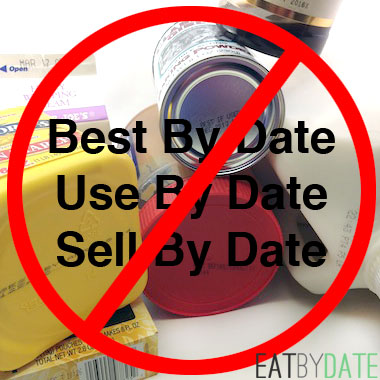

User reviews (0)