
 简体中文
简体中文 English
Website review
This review may include AI-generated content and is not individually verified. Domain, certificate and other facts come from the observed data on this page.
What is Eidos Design Studio?
Eidos Design Studio is a custom furniture studio led by master woodworker Glenn Ward, making one-of-a-kind and made-to-order pieces rather than running a conventional retail showroom. Its focus is work built to a client's exact specifications, for situations where no suitable furniture already exists off the shelf.
What it offers
- Bespoke commissions: furniture designed around a client's specific requirements, from first sketch through to delivery.
- Signature pieces: a select range that can be ordered in the wood of your choice, including named designs such as Thauston, Curvaceous, the Mirror, Bathos, Donum Bar Stool and Semion Bar Stool.
- A broad craft range: display stands, fireplace stands, tables, chairs, chess tables, credenzas, lounge chairs, home theatre furniture, bookcases, display cases, desks, dining tables, cabinets, wall dividers and piano desks.
How the process works
- Custom process — the studio discusses your requirements and produces a sketch for agreement.
- Execution — the piece is hand crafted to meet those requirements.
- Finished furniture — the completed piece is delivered.
Who it suits
This is a good fit if you have a difficult space, an unusual function, or a strong preference for solid, hand-built work in a chosen wood — and you are willing to commission rather than buy immediately. It is less suitable if you need a quick, low-cost, standard item, since bespoke work involves design discussion, lead time and a higher budget.
If you are considering a commission, the practical next step is to contact the studio for a consultation with Glenn and bring measurements, photos of the space and any reference images. Ask early about wood options, timeline and how changes after the sketch stage are handled, since those three points usually determine whether a custom project stays on track.
How does the custom furniture process work from consultation to delivery?
Eidos Design Studio describes a three-stage process: understanding your requirements and agreeing on a design sketch, hand-crafting the piece to your exact specifications, then delivering the finished furniture. The studio frames its work around clients who arrive with needs no existing furniture can meet, so the process starts with a conversation rather than a catalogue order.
What each stage involves
1. Custom process. You bring the requirement — a space, a function, a set of dimensions — and the studio works it into a sketch. Nothing is built until the design is agreed. This is the stage where you should expect to make the decisions that matter most: overall size, wood selection, finish, and how the piece will actually be used day to day.
2. Execution. The piece is hand-crafted to meet the agreed requirements. Eidos presents this as one-of-a-kind work rather than a modified standard product, and the studio's range runs from tables, desks, chairs and credenzas to bookcases, display cases, wall dividers and even a piano desk.
3. Finished furniture. Delivery of the completed piece. Ask early about access: a large bookcase or wall unit may need to be built in sections or assembled on site, and that decision belongs in stage one, not stage three.
A practical way to prepare
Come to the consultation with a floor plan or measurements, photos of furniture you like, and a clear statement of what the existing options fail to do. If you want a simpler route, the studio also offers signature pieces — named designs such as Thauston, Curvaceous, the Mirror, Bathos Tables and the Donum Bar Stool — where you select the type of wood and the design is already resolved.
Choosing between the two paths
| Signature piece | Fully custom commission | |
|---|---|---|
| Starting point | An existing studio design | Your requirement |
| Your main decision | Wood selection | Size, form, wood, finish, function |
| Best for | A defined need with a design you already like | Awkward spaces, unusual functions, one-off pieces |
| Design time | Shorter | Longer, since a sketch is agreed first |
If your space is standard and you simply want well-made furniture, a signature piece is the faster route. If no off-the-shelf item fits, the custom path is the point of the studio.
Next step
Call for a consultation as the site suggests, and treat that first conversation as a scoping session: describe the room, the intended use and your constraints, and ask what the studio needs from you to produce a sketch. For context on how independent makers typically structure commissions, Crafts Council publishes useful guidance on working with designer-makers.
What types of custom furniture can Eidos Design Studio create?
Eidos Design Studio makes one-of-a-kind furniture to a client's exact specifications, plus a smaller line of repeatable "signature pieces" you can order by choosing a wood type. Its page names signature designs such as Library Bookcase, Thauston, Curvaceous, the Mirror, Bathos Tables, Donum Bar Stool and Semion Bar Stool.
Custom work by category
The studio lists a broad range of pieces, which suggests it is set up for both single statement items and whole-room or built-in projects:
- Seating: chairs, lounge chair, bar stools
- Tables and desks: dining table, tables, chess table, desk, piano desk
- Storage and display: bookcase, display case, display stands, credenza, cabinets
- Room elements: wall unit/divider, home theatre, fireplace stands
Signature pieces vs. fully custom
| Route | What you choose | Best for |
|---|---|---|
| Signature pieces | A listed design, then the wood | A defined look with less design time |
| Custom commissions | Requirements, sketch and agreed design | Odd dimensions, unusual functions or a piece that does not exist off the shelf |
How the process works
The studio describes three steps: understanding your requirements and agreeing a sketch, hand-crafting the piece, then delivering the finished furniture. Glenn Ward is named as the master woodworker behind the work, using selected hardwoods and joinery intended to last.
A practical next step: before making contact, measure the space, photograph it, and note any constraints such as radiator clearance, door swings or cable routes. Bring reference images and a clear idea of the wood tone you want. If your need is straightforward, ask whether a signature piece can be adapted in size; if it is unusual, expect to work through the sketch stage first. For broader inspiration on custom and studio furniture, see Craft Council.
Can I order a signature piece with a specific wood type?
Yes. Eidos Design Studio's site says its signature pieces can be ordered and that you "just select the type of wood you want." So if a listed piece such as Thauston, Curvaceous, the Mirror, Bathos Tables, or the Donum Bar Stool suits your space, the wood choice is part of the order rather than a fixed specification.
What this means in practice
- Signature pieces are semi-custom. The form is already designed; your decision is mainly the wood species.
- Fully custom work is separate. The studio also describes making furniture to exact specifications when no existing piece fits, following a custom process of understanding requirements, agreeing on a sketch, hand-crafting, then delivering.
- Wood choice affects more than colour. Species influence grain pattern, hardness, weight and how the piece ages, so it is worth discussing durability and movement with the maker rather than choosing on appearance alone.
A useful next step
Before ordering, ask which wood types are available for your chosen piece, how each one takes the finish you have in mind, and whether the selected wood changes the lead time or construction. If you are matching existing furniture, send a photo in daylight; if the piece must fit an awkward alcove or a specific height, treat it as a custom commission and start with a consultation instead.
For broader context on how custom furniture commissions usually run, the custom furniture guides from Fine Woodworking and the maker directory at CustomMade can help you prepare questions, though neither is affiliated with this studio.
Who is Glenn Ward and what is his background in woodworking?
Glenn Ward is the master woodworker behind Eidos Design Studio, a workshop that designs and builds custom furniture to a client's exact specifications. According to the studio's own description, he produces high-end work for discerning clientele, using what it calls the finest-grade materials chosen for tactile richness and aesthetic beauty, and applying meticulous techniques to create furniture of enduring quality.
What the studio says about his work
- He creates one-of-a-kind pieces when no existing furniture suits a client's requirements.
- His style is described as combining sinuous curves with rectilinear lines — timeless and contemporary, classic yet modern.
- The studio also sells a small set of "signature pieces" that can be ordered in a chosen wood, including named designs such as Thauston, Curvaceous, the Mirror, Bathos, Donum Bar Stool and Semion Bar Stool.
How he works with clients
The process is described in three stages: understanding the requirements and agreeing on a sketch, hand-crafting the piece to exact requirements, and delivering the finished furniture. The range spans display stands, fireplace stands, tables, chairs, a chess table, credenza, lounge chair, home theatre units, bookcases, display cases, desks, dining tables, cabinets, wall dividers and piano desks.
Practical reading of this
For a reader weighing a commission, the useful signal is fit rather than fame: this is a small-studio, made-to-order operation built around one maker's handwork, so the design conversation and material selection matter more than browsing a catalogue. If you have a specific space, an awkward dimension or a piece you cannot find anywhere, that is the scenario this studio is set up for.
A sensible next step is to arrive at a consultation with measurements, photos of the room, and a clear sense of the wood and finish you want, then ask how the sketch-and-approval stage works before any build begins. For comparison, established maker guilds and directories such as Fine Woodworking and the Woodworkers Guild of America can help you judge craftsmanship standards and find other custom makers.
How do I schedule a consultation to discuss a custom furniture project?
Use the studio’s contact route: the page’s main call to action is “Call for a Consultation,” with a direct option to contact Glenn. That means scheduling begins with a phone conversation rather than an online booking form, at least based on what the site presents.
What to expect from the process
Eidos describes a three-step custom process:
- Custom process — the studio learns your requirements, prepares a sketch, and agrees on the design with you.
- Execution — the piece is hand-crafted to your exact requirements.
- Finished furniture — the completed custom piece is delivered.
That sequence matters for scheduling. The first conversation is likely a requirements-and-fit discussion, not a final order. You do not need a completed design to start; you need a clear problem the furniture must solve.
What to prepare before you call
- The room or use case — for example, a library bookcase, wall unit/divider, piano desk, dining table, credenza, or home theatre piece. The site lists a broad range of furniture types.
- Dimensions and constraints — available space, ceiling height, doorways, stairs, and any fixed features such as radiators, windows, or outlets.
- Function and style — storage needs, seating comfort, display requirements, and whether you want sinuous curves or rectilinear lines.
- Material preferences — the signature pieces let you select the type of wood, so knowing your preference helps the conversation move faster.
- Timeline and budget range — the site does not publish prices, so these are practical questions to raise directly.
A useful decision criterion
Choose the call route if your project is genuinely one-of-a-kind — a size, shape, or function that no existing furniture fits. If you simply want a standard piece in a different wood, the signature collection may be the more efficient path, since the design is already established and you mainly choose the wood.
Practical next step
Call the studio and ask three questions: whether your project fits their current workload, what information they need for a sketch, and how long the design-agreement stage usually takes. If you prefer to see the range first, review the signature pieces and the feature work before calling, so you can describe what you like and what you want changed.
 Google LLC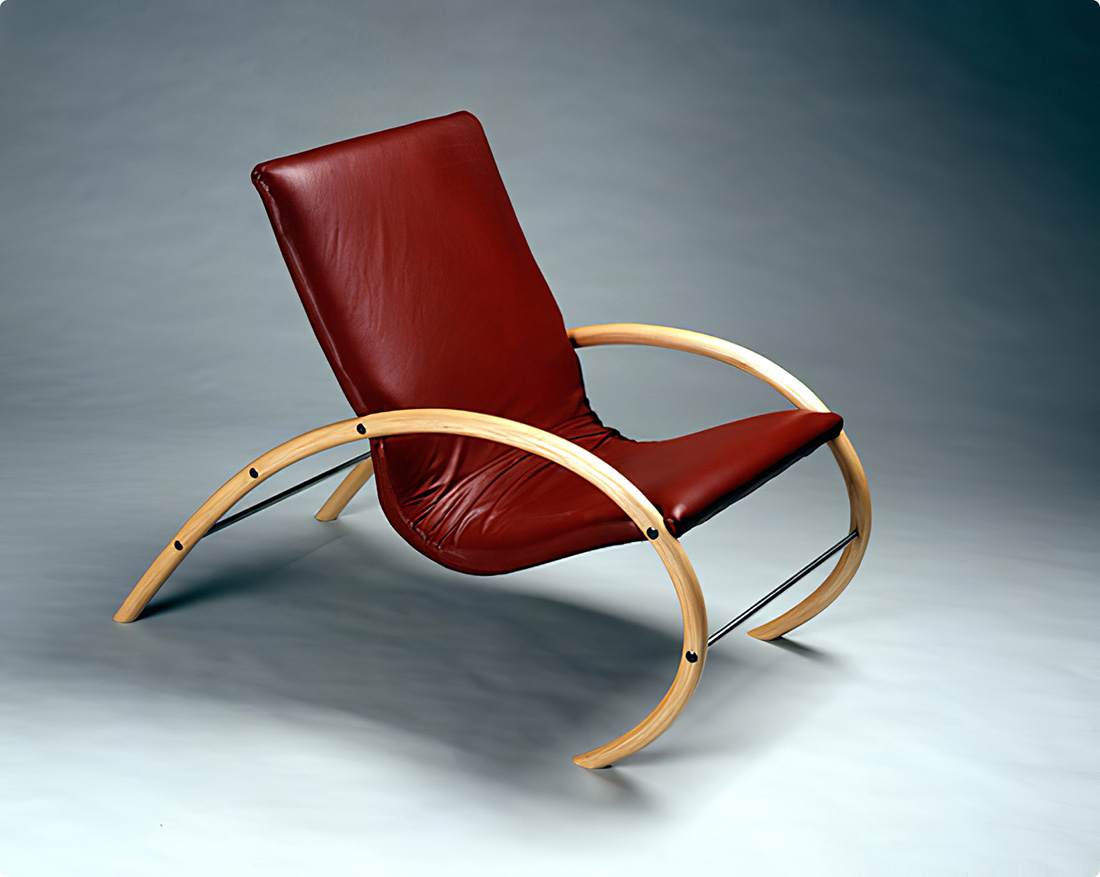
User reviews (0)