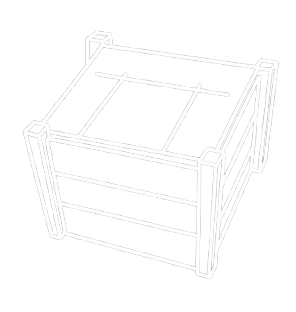
Website profiles · Technology insights · Alternatives

gardeningworks.co.uk

Modular composting bins in the UK – easy to assemble, sustainable, and handmade by our family business in Ribble Valley.

No paid content found
Visit website
Profile views 11 Outbound visits 12 Normal
Gardening Works Full homepage screenshot

At a glance

Category
Agriculture & Gardening
Language
English
Paid-content signal
No paid content foundObserved
Registered
2013
Hosting
Google LLCInferred
HTTPS certificate trusted
PassedObserved
Last updated

Website review

This review may include AI-generated content and is not individually verified. Domain, certificate and other facts come from the observed data on this page.

What is Gardening Works?

Gardening Works is a UK-based family business, located in the Ribble Valley, that makes modular composting bins. The company describes its bins as easy to assemble, sustainable and handmade, positioning them for households that want a practical way to compost garden and kitchen waste at home.

What it offers

  • Modular composting bins: The core product line. Because the bins are modular, they can typically be assembled, extended or rearranged as composting needs change.
  • Handmade construction: Production is presented as a small-scale, family-run operation rather than mass manufacturing.
  • Sustainability focus: Both the product and the company's approach emphasise reducing waste and returning organic material to the soil.

Who it suits

These bins are likely aimed at UK gardeners, allotment holders and households that want an on-site composting solution without relying on council collection or buying a large fixed unit. The modular design may appeal to people with limited space or changing requirements, since the bin can be adapted over time.

Trade-offs

Handmade, modular products from a small family business often cost more than basic mass-produced plastic bins, and availability can be limited. Assembly is required, though the company frames this as straightforward. Buyers outside the UK would need to consider shipping. Overall, Gardening Works is best understood as a specialist maker of adaptable composting bins rather than a general garden retailer.

What types of composting bins does Gardening Works offer?

Gardening Works is a family-run UK business based in Ribble Valley that makes modular composting bins by hand. Rather than selling a single fixed unit, it offers a build-it-yourself system: wooden panels are assembled into a bin, and the modular format means the size and shape can be adapted to the space and volume of waste you produce.

What this means in practice

  • Modular wooden design – panels slot together, so the bin can be expanded or reconfigured as needs change.
  • Handmade construction – suited to gardeners who prefer natural materials and small-scale UK manufacturing over mass-produced plastic.
  • Easy assembly – aimed at households wanting a compost bin without complex installation.

Who it suits

These bins typically appeal to home gardeners with a garden or allotment who compost kitchen and garden waste, and who value a durable, repairable wooden structure over a lightweight plastic dalek. The modular approach may also suit anyone unsure how much capacity they need, since the bin can grow with their composting habit.

Trade-offs to weigh

Wooden modular bins generally cost more than basic plastic models and need occasional attention to withstand damp UK weather. In return, they tend to look better in a garden, last longer if maintained, and can be repaired or extended rather than replaced. If you want the cheapest possible option or a sealed, rodent-resistant design, a plastic or tumbler bin may be a better fit.

For current sizes and options, check Gardening Works directly.

How do I assemble the modular composting bins from Gardening Works?

Assembly guidance for Gardening Works bins is generally provided with the product itself, since the panels are designed to slot or bolt together into a modular shape. The typical sequence is:

  1. Lay out the panels on flat ground and identify the sides, base and any connecting rods or fixings.
  2. Join two panels at a corner, keeping the edges flush, then work around the bin adding one panel at a time.
  3. Secure the fixings once the frame is square, checking that corners sit level.
  4. Position the bin on soil or a hard standing before filling, as a partly filled bin is harder to move.

Because the design is modular, the same panels can usually be rearranged into a single larger bay or a multi-bay system, which suits households producing different volumes of garden waste or wanting to turn compost in batches.

Trade-offs to expect: modular bins are easier to extend and repair than one-piece moulded bins, but assembly takes longer and joints may need occasional tightening. Handmade wooden or recycled-panel versions are often chosen for appearance and repairability, while plastic dalek-style bins are quicker to site but less flexible.

For the exact steps and tool list for your model, follow the manufacturer's own instructions.

Are Gardening Works composting bins suitable for small gardens or balconies?

Gardening Works offers modular composting bins made by a family business in the Ribble Valley, and their design choices suit smaller growing spaces reasonably well.

Why they can work in small gardens

  • Modular construction: because the bins are assembled from sections, the overall footprint and capacity can typically be adjusted to fit tighter corners, patios or bedsides.
  • Easy assembly: flat-packed, slot-together parts are simpler to move through narrow side passages or store when not in use than a large rigid bin.
  • Handmade UK production: buyers wanting a locally made, durable option may prefer this over mass-market plastic alternatives.

Balcony considerations

A balcony is a tougher test. Composting there depends less on the bin and more on volume of waste, airflow and neighbour tolerance for odours and insects. A small modular unit may be manageable if you produce modest kitchen scraps, but a sealed wormery or bokashi system is often better suited to balconies because it controls smells and pests more tightly.

Trade-offs

Larger bins hold more and heat up faster, giving quicker breakdown; smaller setups are tidier but slower and less forgiving of mistakes. Check dimensions against your actual space before ordering.

For comparison, RHS publishes general composting guidance, and Gardening Works lists its own bin range directly.

What materials are used in Gardening Works' handmade composting bins?

Gardening Works describes its composting bins as modular, easy to assemble and handmade by a family business based in the Ribble Valley, UK. The site's own summary highlights sustainability and hand construction, but it does not list the specific materials used.

That distinction matters if you are comparing bins. Material choice affects weight, weather resistance, how quickly a bin warms up, and how long it lasts outdoors. Common constructions for UK garden compost bins include untreated or pressure-treated timber, recycled plastic boards, and metal or wire mesh frames. Handmade modular designs are often timber-based because panels can be slotted or bolted together, replaced individually, and extended as a heap grows.

If exact material matters to you, check the product pages or specification sections on Gardening Works directly, or contact the maker. Look for whether wood is treated, what fixings are used, and whether panels are designed for replacement. These details typically decide whether a bin suits a damp coastal garden, a sheltered courtyard, or a large allotment.

For broader context on home composting methods and bin types, RHS offers independent guidance.

Where in the UK does Gardening Works manufacture its composting bins?

Gardening Works makes its composting bins in the Ribble Valley. The business describes itself as a family operation based there, and its bins are handmade rather than mass-produced.

The Ribble Valley lies in Lancashire, in North West England. For buyers, this matters mainly for two reasons:

  • UK-based production. The bins are made domestically, which may appeal to shoppers who prefer to buy locally and reduce shipping distances.
  • Small-batch, family manufacturing. Handmade production typically means lower volumes and a more workshop-style approach than large factory output, so stock and lead times can vary.

The bins themselves are modular, meaning they are supplied as components that assemble on site. That design is usually chosen for easier transport and the ability to adjust or extend the setup, though assembly is required.

If your priority is a straightforward, ready-made bin from a large retailer, a handmade modular option may involve more effort. If you want a UK-made product from a named family workshop and value the modular format, this is the relevant detail: the manufacturing base is the Ribble Valley, not a separate overseas facility.

Related questions

More questions →
Custom Sizes and Later Expansion at Gardening Works

Yes — Gardening Works designs its composting bins, raised beds, and whelping boxes to be modular, so you can add on later, and the company states that custom sizes are available on request. To get a bespoke size, you contact the team directly for a quote rather than ordering a fixed size off the shelf. This suits anyone whose space doesn't match a standard unit, or who wants to start small and expand the same setup over time.

What "modular" means in practice

The products use a slot-together system: panels slide into place with no screws, drills, or DIY skills required. Because the units are built from separate panels rather than one fixed frame, the design is intended to grow with you — the site's own wording is "just add on when you're ready."

That matters for two different situations:

  • Expanding later — you buy a unit now and add to it when you need more capacity, keeping the same style and system.
  • Custom sizing up front — if your space needs a non-standard footprint, you ask for a quote instead of forcing a standard size to fit.

How to request a custom size

Custom sizes are handled through a quote, not a standard checkout flow. Based on the contact details published on the site:

  1. Decide what you need — a specific size, or an expansion of an existing product.
  2. Get in touch using one of the published contact routes:
    • Email: [email protected]
    • Phone: 07821 123 595
    • Or use the "Get a custom quote" / "Speak to our team" options on the site.
  3. Describe your requirements and wait for a reply — the site states it aims to respond within 48 hours.

The team is described as real people who know the products, rather than an automated system, which is relevant if your requirement is unusual and needs a conversation rather than a form.

Delivery and collection

Two options are stated for getting products to you:

Option What it involves
UK-wide delivery Products delivered to your door across the UK
Click & collect Collect from the Lancashire workshop

The workshop address is Unit 9, Chapel Hill Industrial Estate, Chapel Hill, Longridge, Preston, Lancashire, PR3 3BU. Collection may suit you if you're local or want to avoid delivery on a large or custom item.

What to check before you commit

  • Confirm the custom size in writing as part of the quote, since bespoke dimensions aren't a standard listing.
  • Ask how expansion works for the specific product you're buying — the modular principle applies across the range, but the practical add-on depends on which unit you start with.
  • Factor in lead time for a custom or handmade item; everything is hand-built in the Ribble Valley workshop, and the 48-hour figure refers to reply time, not build time.
  • Decide delivery vs collection early if you're ordering something large or non-standard.

If your space is standard, you can simply shop the existing compost bins, raised beds, or whelping boxes. If it isn't, the quote route is the way to get a size that actually fits.

What Materials and Sustainability Claims Apply to Gardening Works Products?

Gardening Works builds its raised beds, whelping boxes, and composting bins by hand in a family workshop in the Ribble Valley, using responsibly sourced timber. The company describes its products as eco-friendly, made in the UK, and built to last, and says it has over 20 years of experience hand-building these items. If you care about where a garden product comes from and how it is made, those are the claims to check against your own priorities.

The materials

The core material across the range is timber. Gardening Works states that every product is made from sustainable timber and that the timber is responsibly sourced. The products are assembled with a slot-together system rather than screws, so the panels themselves are the structure — there is no metal fixings kit to account for in the material list.

The site does not name a specific timber species or give treatment details, so if you need to know exactly which wood is used or how it is finished, that is a question to put to the workshop directly.

The sustainability claims

Gardening Works makes three related claims:

  • Responsibly sourced timber — the wood is described as responsibly sourced and sustainable.
  • Made in the UK — everything is built by hand in the Ribble Valley workshop, which the company frames as local and sustainable.
  • Eco-friendly and built to last — the products are described as eco-friendly, and durability is presented as part of the sustainability story: a bin or bed that lasts longer needs replacing less often.

These are the company's own descriptions rather than independently certified claims. The site does not reference a specific certification scheme, so treat "responsibly sourced" as a stated sourcing policy rather than a verified label.

What the design adds

Two design choices support the sustainability angle in practical ways:

No tools, no fixings. The slot-together system means no screws or drills are needed. Fewer separate components means less packaging and fewer mixed materials at end of life.

Modular and customisable. The designs are modular, so you can expand a setup later by adding on rather than replacing it. Custom sizes are also available. Buying once and extending is a more efficient path than discarding a fixed-size unit that no longer fits.

Where the products are made

All items come from the family workshop in the Ribble Valley, and the business has been hand-building them for over 20 years. UK-wide delivery or click & collect is offered. For buyers trying to shorten supply chains, a domestically handmade product is the main practical difference here.

What is not stated

The site does not specify timber species, treatment or preservative details, or any third-party environmental certification. It also does not state a product lifespan in years. If any of those matter to your decision, ask before ordering — the company says it replies to enquiries within 48 hours and that real people, not scripts, handle them.

How to weigh the claims

Claim What it means in practice
Responsibly sourced timber Stated sourcing policy; no named certification on the site
Handmade in the UK Built in the Ribble Valley workshop; UK-wide delivery or click & collect
Eco-friendly Company description tied to timber sourcing and durability
Built to last Durability presented as reducing replacement frequency; no lifespan figure given
Modular and customisable Expand or resize later instead of replacing

If your priority is a UK-made, timber product with a low-fixings design, the stated approach lines up with that. If you need documented certification or specific material data, get those answers from the workshop first — the website does not provide them.

Composting Bin or Raised Bed from Gardening Works?

Choose a composting bin if your goal is to turn garden and kitchen waste into compost; choose a raised bed if your goal is to grow veg, flowers, or garden at a more accessible height. Both are made by Gardening Works in the Ribble Valley from sustainable timber and use the same slot-together, no-tools construction, so the deciding factors are purpose, space, and whether you want to expand later.

The core difference in purpose

Composting bin Raised bed
What it's for Turning garden and kitchen waste into compost Growing veg, flowers, and accessible gardening
Where it works Indoors or out Indoors or out
Construction Slot-together UK timber, no tools Modular, builds in minutes, no tools
Expansion Modular design Modular design — add on when ready

The two products are not alternatives for the same job. A composting bin processes waste; a raised bed grows plants. If you want to close the loop — make compost, then use it to fill a bed — you may eventually want both.

Choose a composting bin if…

  • Your main problem is what to do with garden and kitchen waste.
  • You want a simple, sustainable composting setup without assembling with screws or drills.
  • You have a spot indoors or out where a bin can sit and break down material over time.

Gardening Works describes its bins as "slot-together bins made from UK timber. No tools needed – just simple, sustainable composting."

Choose a raised bed if…

  • You want to grow your own food, flowers, or both.
  • You need accessible gardening — working at height rather than ground level.
  • You want a bed that builds in minutes and can be expanded later.

The raised beds are described as "modular raised beds that build in minutes. Great for veg, flowers, and accessible gardening – indoors or out."

What both share

  • No tools needed. All products use a unique slot-together system — no screws, drills, or DIY skills, just slide the panels into place.
  • Made in the UK. Hand-built in the Ribble Valley workshop using responsibly sourced timber.
  • Modular and customisable. Custom sizes are available, and designs can be expanded later by adding on.
  • UK-wide delivery or click & collect.

How to decide

  1. Name your goal. Compost production or plant growing? That alone usually settles it.
  2. Check your space. Both work indoors or out, but a bin needs room for waste to sit and decompose; a bed needs light if you're growing.
  3. Think about later. If you plan to expand, both ranges are modular — you can add on when ready rather than replacing what you bought.
  4. Consider doing both. Compost from a bin can feed a raised bed, which is the natural pairing of the two products.

If you're still unsure

Gardening Works states it aims to reply within 48 hours and that enquiries are handled by real people who know the products. You can reach the team at [email protected], or request a custom quote if your size or setup isn't standard.

How Do Gardening Works' No-Tools Slot-Together Products Work?

Gardening Works builds composting bins, raised beds, and whelping boxes that assemble without screws, drills, or DIY skills. Instead of fasteners, the panels are designed to slot together: you slide each panel into place and the joint holds. The same system is used across all three product ranges, and because the parts are modular, you can expand a setup or order a custom size later rather than replacing it. This page explains the mechanism, what assembly actually involves, and where the approach helps or limits you.

The basic mechanism

Every Gardening Works product uses what the company calls a "unique slot-together system." In practice that means:

  • Panels, not loose parts. Each side of a bin, bed, or box is a pre-formed panel rather than individual boards you fix together.
  • Slots instead of fixings. Panels slide into receiving slots on the adjacent panel. There are no screws, bolts, brackets, or hinges to align.
  • No tools at the assembly stage. The company states no screws, drills, or DIY skills are needed — the panels simply slide into place.

The result is a friction-and-geometry joint rather than a mechanical fixing. That is why the company can describe assembly as "no fuss" and why the products ship flat but go together in minutes.

What assembly looks like in practice

Because the joint is a slide rather than a fasten, the sequence matters more than the force you apply:

  1. Unpack and lay out the panels. Identify which panel is a side, end, or base — the slot pattern tells you which edges mate.
  2. Slide the first two panels together. One panel's edge slides into the other's slot. Expect it to seat fully with hand pressure; if it resists, the panel is usually the wrong way round rather than too tight.
  3. Add the remaining panels in the same way. Each new panel slots into the assembly already standing.
  4. Check square and settle. Once all panels are seated, the structure should sit flat and square. No tightening step follows, because there is nothing to tighten.

The expected result is a finished bin, bed, or box with no visible fixings and no tools left over. If a joint will not seat, the usual cause is orientation, not force — do not hammer or lever panels.

Why the modular design matters

The slot system is not just about skipping tools; it changes what you can do with the product after purchase.

Feature What it means for you
Modular panels You can add on to a setup later instead of buying a bigger unit
Custom sizes The company offers custom sizing, so a non-standard space is not a blocker
No permanent fixings The structure can be taken apart and relocated rather than dismantled and rebuilt
Simple maintenance A damaged or worn panel can be swapped without undoing fasteners
Flat-pack shipping Panels travel flat and assemble on site

The company frames this as designs that "grow with you" — you start with the size you need now and expand when you are ready.

Where each product uses it

The same assembly logic applies across the range, but the practical benefit differs by product:

  • Composting bins — slot-together bins made from UK timber. The no-tools build matters because you can reposition or resize a bin as your composting setup changes.
  • Raised beds — modular beds that the company says build in minutes, suitable for vegetables, flowers, and accessible gardening, indoors or out. Modularity lets you extend a bed run rather than replace it.
  • Whelping boxes — safe, easy-clean boxes for dogs and cats, with optional custom sizes. Easy disassembly helps with cleaning between litters.

What to check before you buy

The slot-together system removes tools and fixings, but it does not remove every consideration:

  • Ground preparation. A no-tools joint still needs a level surface to sit square, especially for raised beds and whelping boxes.
  • Custom sizing lead time. Custom sizes are offered, but confirm the timeline with the company before ordering if you are working to a deadline.
  • Delivery vs collection. The company offers UK-wide delivery or click & collect from its Ribble Valley workshop, so factor in which suits you.
  • Spares availability. Panels are replaceable, but check current spares availability for the specific product before relying on it.
  • Timber care. Products are made from sustainably sourced UK timber; how you treat or protect that timber over time is a separate decision from assembly.

Getting a straight answer

Gardening Works states it aims to reply within 48 hours and that enquiries are handled by people who know the products, not bots or scripts. For questions about a specific size, a spare panel, or whether a product suits your space, the direct route is:

  • Email: [email protected]
  • Phone: 07821 123 595
  • Workshop: Unit 9, Chapel Hill Industrial Estate, Chapel Hill, Longridge, Preston, Lancashire, PR3 3BU

The company has been hand-building these products in the Ribble Valley for over 20 years, so a question about how a particular panel fits is one they can answer from the build itself rather than from a manual.

What Is Gardening Works?

Gardening Works is a family-run UK workshop based in the Ribble Valley, Lancashire, that hand-builds composting bins, raised beds, whelping boxes, and spare parts. Its products use a slot-together design that needs no screws, drills, or DIY skills, and they ship UK-wide or can be collected in person. If you want modular garden or pet equipment made from timber and assembled by hand rather than mass-produced flat-pack, this is the type of business you're looking at.

Where it operates and how to reach it

The workshop address listed on the site is Unit 9, Chapel Hill Industrial Estate, Chapel Hill, Longridge, Preston, Lancashire, PR3 3BU. Contact options include:

  • Phone: 07821 123 595
  • Email: [email protected]
  • In-person: "Find Us" directions and click & collect are both offered

The site states the business has been hand-building products for over 20 years from its family workshop, and that enquiries are typically answered within 48 hours by people rather than automated systems.

What it makes

Product What it is Notable design points
Composting bins Slot-together bins made from UK timber No tools needed; described as simple and sustainable
Raised beds Modular beds that assemble in minutes Suited to veg, flowers, and accessible gardening, indoors or out
Whelping boxes Easy-clean boxes for dogs and cats Built to protect mother and pups; optional custom sizes
Spares Replacement parts Sold alongside the main ranges

The design approach

Three claims run through everything the company sells:

  • No tools needed. Products use a slot-together system, so panels slide into place instead of being screwed or drilled.
  • Made in the UK. Items are built by hand in the Ribble Valley workshop using responsibly sourced timber.
  • Modular and customisable. Designs can be expanded later by adding on, and custom sizes are available on request.

Who it's likely to suit

This is a reasonable fit if you want garden structures or a whelping box that you can assemble without tools, expand over time, or order in a non-standard size. It's also a fit if buying from a small UK workshop matters to you. If you need a large ready-made range, standardised mass-produced dimensions, or same-day dispatch, that isn't what the site describes — and the site doesn't publish prices, so you'll need to request a quote or contact the team for current costs and lead times.

Website Overview

An established domain and managed infrastructure suggest continuity of operations and may support dependable delivery, although neither guarantees service quality. Page metadata, canonical configuration and social previews work together to provide more consistent search and sharing presentation.

Domain and Registration

Registered in 2013, this domain has about 12 years of history. That suggests continuity, although ownership and purpose may have changed. Registration contact information is publicly available through RDAP. The domain uses the common .uk extension, which is not an independent safety signal.

DNS and Email

Nameservers are provided by stackdns.com, indicating managed DNS hosting. MX records point to the stackmail.com email service. No CNAME was found; the observed records resolve directly to addresses. SPF and DMARC are configured. DKIM status is unknown. TXT records include verification markers for Google. Such markers may also remain after a service stops being used.

TLS and Certificates

The certificate uses an RSA 2048-bit public key, offering broad client compatibility. The server supplied a complete certificate chain. No organization name is present in the certificate; the available fields are consistent with domain validation. The certificate was issued by Let's Encrypt, commonly associated with automated certificate services. The certificate's total validity is about 89 days, consistent with a short renewal cycle.

HTTP and Browser Security

The response lacks these common security headers: HSTS, CSP, Referrer-Policy, Permissions-Policy, clickjacking protection. No X-Powered-By header was found, reducing one common source of backend fingerprinting information. No obvious internal addresses or debug information were found in the headers. The Server header identifies nginx without an exact version. No explicit CDN or WAF marker was found in the response headers.

Technology Stack Analysis

The public page identifies Elementor 4.2.4; features: additional_custom_breakpoints; settings: css_print_method-internal, google_font-enabled, font_display-auto, WordPress, jQuery, nginx without precise versions, leaving fewer clues for version-specific scanning.

Search and Social Sharing

The Generator tag identifies Elementor 4.2.4; features: additional_custom_breakpoints; settings: css_print_method-internal, google_font-enabled, font_display-auto, making the publishing system easier to fingerprint. Twitter Card metadata is configured. JSON-LD includes Organization data, helping describe the organization as an entity. The title has 43 characters, within a common display range. A meta description is present, with 120 characters.

Hosting and Email

DNSstackdns.com
HostingGoogle LLC
Emailstackmail.com
Approximate IP geolocation (inferred; a CDN or proxy may differ from the origin server) United Kingdom flagCity of London, United Kingdom Inferred 35.214.10.97

Registration details

RDAP / WHOIS

Registrar20i Ltd
Registered2013-12-10
Expires2026-12-10
Domain statusactive
Nameserversns1.stackdns.com、ns2.stackdns.com、ns3.stackdns.com、ns4.stackdns.com
DNSSECunsigned

DNS records

DNS

TypeNameValueTTLPriority
Agardeningworks.co.uk35.214.10.973600—
MXgardeningworks.co.ukmx.stackmail.com360010
NSgardeningworks.co.ukns1.stackdns.com3600—
NSgardeningworks.co.ukns2.stackdns.com3600—
NSgardeningworks.co.ukns3.stackdns.com3600—
NSgardeningworks.co.ukns4.stackdns.com3600—
TXTgardeningworks.co.ukgoogle-site-verification=HBo1H8rGgsp4M9bbcth-m2VzJOQX7jTOGgp4rkoBjBU3600—
TXTgardeningworks.co.ukv=spf1 include:spf.stackmail.com a mx -all3600—
DMARC_dmarc.gardeningworks.co.ukv=DMARC1;p=none;sp=none;adkim=r;aspf=r;pct=100;rf=afrf;ri=864003600—

TLS and certificates

TLS / SSL

AssessmentNormal configuration
Supported protocolsTLSv1.2、TLSv1.3
Negotiated protocolTLSv1.3
Certificate subjectgardeningworks.co.uk
IssuerLet's Encrypt
Valid until2026-11-13T07:21 · Remaining when checked: 51 days
Verification detailsCertificate trust: Passed · Hostname match: Passed

HTTP response headers

HTTP

HeaderValue
content-typetext/html; charset=UTF-8
servernginx
x-content-type-optionsnosniff

Identified technologies

Elementor 4.2.4; features: additional_custom_breakpoints; settings: css_print_method-internal, google_font-enabled, font_display-autoWordPressjQuerynginx

Pages, Search and Sharing

Meta descriptionModular composting bins in the UK – easy to assemble, sustainable, and handmade by our family business in Ribble Valley.
Canonical URLhttps://gardeningworks.co.uk/
LanguageEnglish (default)
Twitter Cardsummary_large_image
All bots 1 allowed · 6 disallowed
  • Allow/wp-admin/admin-ajax.php
  • Disallow/wp-content/uploads/wc-logs/
  • Disallow/wp-content/uploads/woocommerce_transient_files/
  • Disallow/wp-content/uploads/woocommerce_uploads/
  • Disallow/*?add-to-cart=
  • Disallow/*?*add-to-cart=
  • Disallow/wp-admin/

User reviews (0)

  • No reviews yet.