
 简体中文
简体中文 English
Website review
This review may include AI-generated content and is not individually verified. Domain, certificate and other facts come from the observed data on this page.
What is the Japanese Friendship Garden?
The Japanese Friendship Garden in San Diego is a public garden and museum dedicated to Japanese culture, created as an expression of friendship between San Diego and its sister city, Yokohama. It functions as both a landscaped garden and a cultural venue, with exhibits, educational programming, and seasonal events layered on top of the garden visit itself.
What a visit actually involves
- A self-guided walk through the garden, with a garden map available to orient you.
- Docent tours for visitors who want interpretation rather than just scenery.
- Exhibits inside the museum component, including pop-up exhibits.
- Educational resources, field trips, and a summer camp aimed at school and youth groups.
- A program calendar of special programs, plus ticketed events.
Events and programming
The garden hosts recurring cultural events rather than only daytime garden access. Two examples from its own listings are an autumn Japanese food and sake festival with street food, sweets, and premium sake, and a Halloween "Yokai Masquerade" evening inspired by Japanese folklore, with after-hours exhibit viewing, a parade, and costumes encouraged. It also offers weddings and photoshoots as bookable uses of the site, which tells you the garden is used as a backdrop for private events as well as casual visits.
Practical details worth knowing before you go
- Admission is tiered: one rate for adults 18+, a reduced rate for students, seniors 65+, and military, and free entry for children 6 and younger.
- Hours are listed as daily 10:00 AM to 6:00 PM, with last admission at 5:00 PM.
- The garden notes early closures, so check the current schedule before traveling.
- It sits at 2215 Pan American Road E., San Diego, CA 92101, in Balboa Park.
Who it suits
| Visitor | Why it fits |
|---|---|
| First-time San Diego visitors | A compact cultural stop in Balboa Park that pairs well with nearby museums |
| Families | Free entry for young children and youth programming |
| School and camp groups | Field trips, educational resources, and summer camp |
| Couples and photographers | Weddings and photoshoots are offered as bookable experiences |
| Culture and food event-goers | Seasonal festivals and after-hours themed evenings |
The main trade-off is between a quiet daytime garden visit and a ticketed event night: the first is cheaper and flexible, the second is more distinctive but tied to specific dates and likely to draw crowds.
If you are planning a trip, start by checking the program calendar and any early closure notices, then decide whether you want a standard admission day or a special event. For a first visit, a docent tour plus the map gives you context that a walk-through alone will not. You can find official details at Japanese Friendship Garden.
How much does it cost to visit the Japanese Friendship Garden?
Admission is $16 for adults (18+) and $14 for students, seniors (65+), and military. Children ages 6 and younger are free. No prices for other age groups or add-on experiences are listed on the site.
Japanese Friendship Garden
Practical notes
- The garden is open daily, 10:00 AM–6:00 PM, with last admission at 5:00 PM. Arriving after 5:00 PM means you won't get in.
- Tickets can be bought in advance through the "Buy Tickets" link on the site, which is worth doing on event days when crowds are heavier.
- Free admission for young children makes this an easy outing for families with kids 6 and under; older children would fall into one of the paid categories, so confirm which rate applies before you go.
- If you qualify for the student, senior, or military rate, bring valid ID — discounted rates usually require proof at the gate.
Next step
Check the "Early Garden Closures" page before choosing a date, since private events and special programs can shorten public hours. If you're visiting around an event like the Oishii Japanese Food & Sake Fest or the Yokai Masquerade, note that those are separate ticketed programs and may not be covered by standard admission.
What are the Japanese Friendship Garden's hours and last admission time?
The Japanese Friendship Garden & Museum in San Diego is open daily from 10:00 AM to 6:00 PM, with last admission at 5:00 PM. Plan to arrive well before that cutoff, since entry stops an hour before closing and you'll want time to walk the garden rather than rush through it.
A few practical notes drawn from the garden's own visitor information:
- Check for early closures before you go. The site lists a separate "early closures" notice alongside its regular hours, so same-day hours can differ from the standard schedule.
- Admission is tiered. Adults (18+) pay one rate, with reduced admission for students, seniors (65+), and military; children 6 and younger enter free. Current prices are listed on the garden's site.
- Contact and location: 2215 Pan American Road E., San Diego, CA 92101; (619) 232-2721.
Best next step: if you're visiting for a specific event — the Oishii Japanese Food & Sake Fest or the Yokai Masquerade, for example — confirm the hours for that date, since evening programming can extend past or replace normal daytime access. For general visits, aim for a late-morning or early-afternoon arrival to leave a comfortable buffer before the 5:00 PM last admission.
See the official site for current details: Japanese Friendship Garden
Can I book the Japanese Friendship Garden for a wedding or photoshoot?
Yes. The Japanese Friendship Garden & Museum in San Diego handles both weddings and photoshoots, and both are listed as bookable event types on the official site, separate from regular admission. See Japanese Friendship Garden for current booking details.
What that means in practice
- Weddings and photoshoots are treated as private events, not walk-in visits, so expect a reservation or permit process rather than just buying admission tickets.
- Standard garden hours are daily 10:00 AM–6:00 PM with last admission at 5:00 PM, so a private event likely falls outside or around those hours. The site also notes early closures, which is worth checking before locking a date.
- Capacity, permitted vendors, and setup rules are the usual deciding factors for a garden venue. Ask about them directly rather than assuming.
A practical next step
If you're comparing this with other San Diego spots, contact the garden's events team first with your date, guest count, and whether you need a ceremony, a reception, or just portrait access. Photoshoot permits are often shorter and cheaper than full wedding rentals, so clarify which category you fall into before requesting a quote.
Decision criteria
| Your situation | What to ask first |
|---|---|
| Small ceremony | Minimum guest count and whether you can bring your own officiant |
| Portraits only | Session length, allowed areas, and whether a photographer needs separate approval |
| Evening event | Availability after standard closing and any lighting or noise limits |
If you mainly want Japanese-style scenery for photos, a timed portrait session is usually the simpler path. If you're planning a full wedding, treat it as a venue rental and ask about exclusivity, rain contingencies, and vendor lists.
What events and festivals does the Japanese Friendship Garden host?
The Japanese Friendship Garden & Museum in San Diego programs a mix of seasonal festivals, after-hours cultural evenings, and recurring educational offerings rather than a single signature event. Its event calendar is the best place to confirm dates, since several listings are one-off happenings.
Types of events hosted
Food and drink festivals. The Oishii Japanese Food & Sake Fest is described as an afternoon of tasting through the garden, with savory street food, handcrafted sweets, refreshing beverages, and premium sake at multiple stops.
Seasonal and folklore-themed evenings. The Yokai Masquerade is a Halloween celebration built around Japanese folklore spirits, with after-hours exhibit viewing, a yokai parade, and costumed guests encouraged to attend.
Education and family programming. The garden lists educational resources, field trips, a school pop-up exhibit, and a summer camp, which suit school groups and families more than evening festival-goers.
Life events and private bookings. Weddings and photoshoots are offered as bookable uses of the garden, separate from public programming.
Recurring visitor experiences. Docent tours, a garden map, and information on etiquette appear alongside the event listings, so a visit can be structured around a guided tour even outside festival dates.
Choosing what fits
| If you want | Look at | Notes |
|---|---|---|
| Food, drink, evening atmosphere | Oishii Japanese Food & Sake Fest | Ticketed special event; check the calendar |
| Costumes and folklore | Yokai Masquerade | Halloween-season, after-hours |
| A school or family group | Field trips, school pop-up exhibit, summer camp | Program registration rather than general admission |
| A quiet garden visit | Docent tours, garden map, etiquette page | Daily hours apply; last admission is before closing |
Practical next step
Check the garden's events calendar before planning, because early closures and one-off programs can affect a visit. General admission is listed separately from special events, and children ages 6 and younger are free, which makes family outings easier to budget. The garden sits at 2215 Pan American Road E. in San Diego, and the site's contact number is (619) 232-2721.
For comparison, other Japanese gardens in the region run their own festivals and tea ceremonies; see Japanese Friendship Garden for this garden's own schedule.
What can I see and do during a visit to the Japanese Friendship Garden?
A visit combines a traditional strolling garden with a small museum and a rotating calendar of cultural events. You can walk the grounds at your own pace, join a guided docent tour, view exhibits, and time your trip around food festivals, seasonal celebrations, or workshops.
What you can see
- Landscaped garden paths, water features and koi (the site includes an "Adopt A Koi" support option).
- Museum exhibits, including temporary or pop-up displays.
- A garden map is provided on the site to help you plan a route.
What you can do
- Take a self-guided walk or a docent-led tour for context on the design and Japanese cultural elements.
- Attend special programs and events. Examples from the site's calendar include an Oishii Japanese Food & Sake Fest with street food, sweets and sake, and a Halloween "Yokai Masquerade" with after-hours exhibit viewing and a parade.
- Join education-oriented offerings such as field trips, school programs and summer camp, which are aimed at students and groups.
- Book the garden for weddings and photoshoots, or become a member or volunteer.
Practical planning
- Hours are listed as daily 10:00 AM–6:00 PM, with last admission at 5:00 PM; the site also notes early closures, so check before you go.
- Admissions are listed at $16 for adults (18+), $14 for students, seniors (65+), and military, with children 6 and younger free.
- Address: 2215 Pan American Road E., San Diego, CA 92101; phone (619) 232-2721.
A good next step: decide whether you want a quiet garden visit or an event. If it's the former, go on a regular weekday and take a docent tour; if it's the latter, check the events calendar first and buy tickets in advance. For official details, see Japanese Friendship Garden.
 squarespace.com
 Google Workspace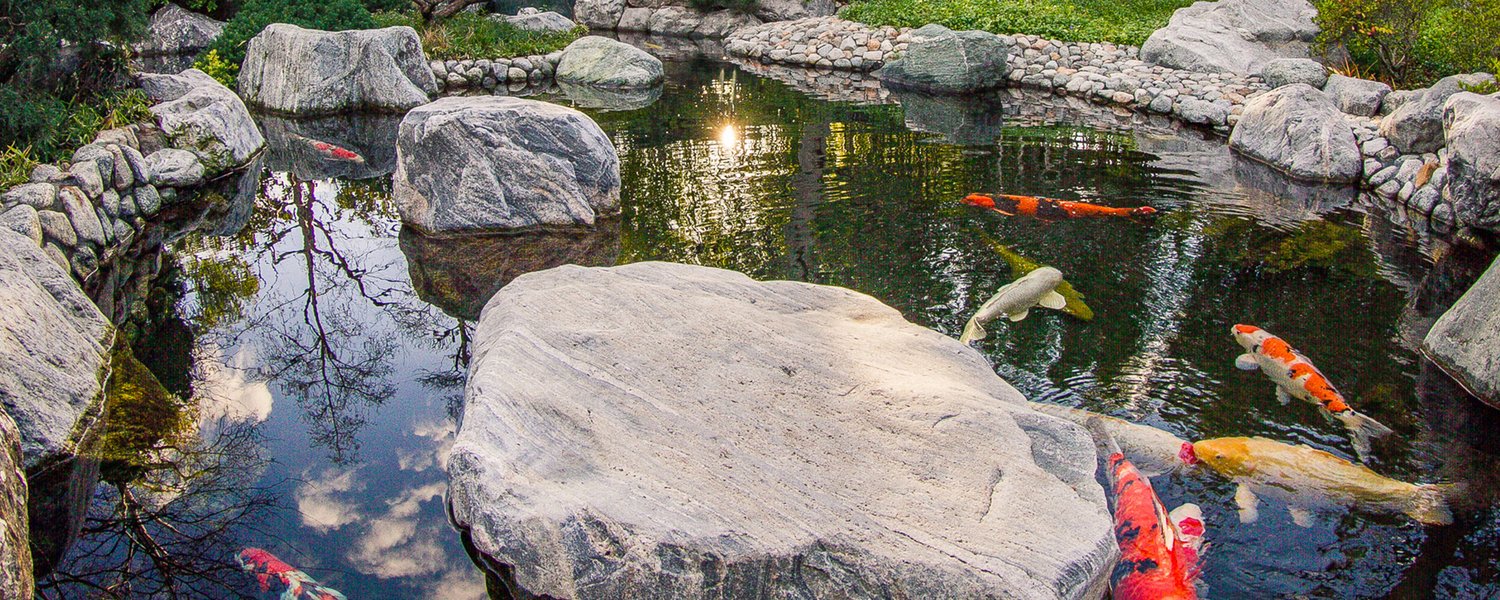

User reviews (0)