
 简体中文
 English

Website review
This review may include AI-generated content and is not individually verified. Domain, certificate and other facts come from the observed data on this page.
What is Recent?
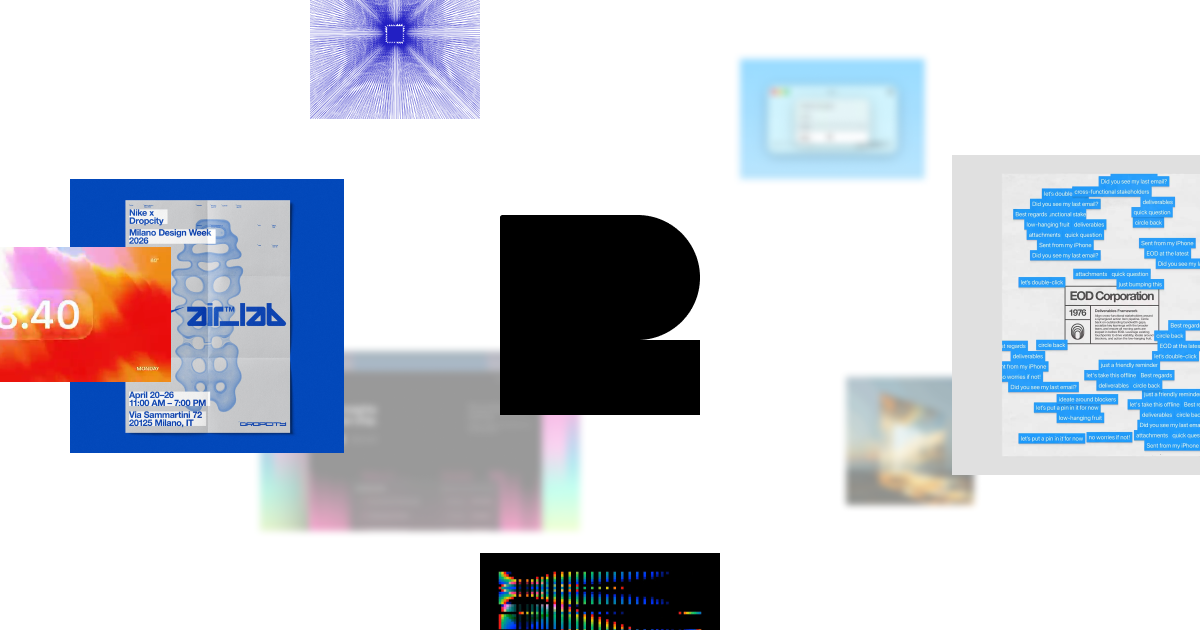
Recent is a curated design inspiration gallery. It collects notable work from across the web and presents it in a browsable feed, so visitors can see what designers and studios are producing without hunting through multiple sources.
Its main audience is designers, art directors, and creative teams looking for references during early concept work or moodboarding. Because the site focuses on visual examples rather than tutorials or tool reviews, it is best treated as a starting point for ideas rather than a how-to resource.
Typical uses include:
- Scanning recent work for layout, colour, and typography ideas
- Gathering references before starting a project
- Following current visual trends across disciplines
Trade-offs are worth noting. A curated gallery saves time compared with open-ended searching, but selection is editorial, so it reflects the curator's taste and may underrepresent niche or experimental work. It also tends to show finished results, with limited context about process, constraints, or client goals, which matters if you need to justify decisions rather than simply find a look.
Compared with broader platforms such as Behance or Dribbble, Recent may be lighter and more tightly edited, while those sites offer deeper portfolios, project write-ups, and community features. For quick inspiration, Recent is often enough; for research or hiring, a larger portfolio platform may serve better.
What kind of design inspiration can I find on Recent?
Recent is a design inspiration gallery aimed at people who need visual reference points rather than tutorials or theory. Its focus is breadth: rather than a single discipline, it gathers work across several areas of design, so you can browse whatever is closest to your current project.
What you can typically expect to browse
- Interface and product design — screens, layouts and interaction patterns, useful for UI and UX work.
- Branding and identity — logos, type treatments and visual systems.
- Graphic and editorial work — posters, packaging and print-oriented pieces.
- Web design — full page compositions and site aesthetics.
- Motion and image-led work — where the gallery includes animated or photographic pieces.
Who it suits
Designers, students and marketers often use a gallery like this at the start of a project, when they need to gather references before committing to a direction. It may also be handy for building moodboards or briefing collaborators.
Trade-offs
The strength is volume and variety; the limitation is that inspiration galleries rarely explain the reasoning, constraints or process behind a piece. Treat it as a starting point for your own thinking, not as a source of specifications.
How does Recent curate or select the designs it features?
Recent presents itself as a design inspiration gallery, and like most sites in this category it typically works as a curated feed rather than an open, unfiltered archive. The practical effect is that the designs you see have passed through some editorial or submission-based filter before appearing on the site.
How that selection commonly works on such galleries:
- Editorial picking — an internal team reviews candidates and publishes a limited number each day, which keeps the overall quality and visual consistency high.
- Community or submitter input — designers or studios may propose their own work, with the site deciding what gets published.
- Thematic grouping — items are often organised by category or tag, so visitors can browse by discipline rather than chronologically.
For Recent, the stated aim is simply to surface strong design work, so the emphasis is on visual quality and freshness rather than exhaustive coverage. That makes it useful for quick browsing when you want a stream of current examples, and less useful if you need to search a complete historical record or verify provenance. Note that the exact submission rules, review criteria and update frequency are not specified here, so treat any assumptions about them as unconfirmed.
Can I submit my own design work to be featured on Recent?
Based on the available information, Recent is described as a design inspiration site, but there is no explicit statement about whether it accepts user submissions.
What can be inferred
- Sites that curate design inspiration often accept submissions, but this is a common pattern rather than a confirmed feature here.
- The absence of submission details in the supplied information does not prove that submissions are unsupported.
What to check on the site
If you want to submit your own work, look for:
- A "Submit," "Contribute," or "Contact" link in the navigation or footer.
- Submission guidelines covering format, file size, and credit.
- Terms about original work, permissions, and how featured entries are selected.
Audience and trade-offs
A curated gallery typically suits designers seeking visibility, while curators prioritize quality and consistency. If submissions are open, expect editorial review rather than automatic publishing. If they are not, the site may rely on internal curation only.
For a definitive answer, the site itself is the only reliable source.
Is Recent free to use, or does it require a subscription?
Recent does not publicly advertise subscription tiers or paid plans, so it appears to be free to browse. The site is positioned as a design inspiration gallery, and its stated purpose — surfacing "the best design inspiration on the Internet" — suggests open access rather than a gated service. Pricing keywords and payment platforms are not present in the available information, which is consistent with a free, publicly viewable collection.
Typical uses include:
- Reference gathering for designers starting a project or moodboard
- Trend scanning for art directors, marketers and product teams
- Portfolio and studio research when comparing visual approaches
- Casual browsing for anyone curious about contemporary design work
Its audience is mainly working designers, students and creative teams who want a quick stream of examples rather than in-depth case studies or files. The trade-off is that a free inspiration gallery usually offers breadth and visual variety, but limited context: you may see the finished work without detailed process notes, licensing terms or downloadable assets. If you need source files, commercial usage rights or structured tutorials, a dedicated resource or paid platform may suit you better.
For comparison, Behance and Dribbble host portfolios with contact and hiring features, while Awwwards adds awards and jury commentary. Recent sits closer to a curated feed than a professional network.
If pricing matters for your use case, check the site directly, since terms can change.
How often is new design inspiration added to Recent?
New design inspiration on Recent is added continuously rather than on a fixed schedule. The site functions as a rolling feed, so fresh work typically appears throughout the day as it is selected and published. Visitors who check back regularly will usually see a changed lineup, while someone returning after a week will find a largely new set of entries.
What this means in practice
- For casual browsing: A single visit gives a snapshot of current work; there is little need to wait for a weekly or monthly roundup.
- For daily habit-building: Checking once a day is generally enough to keep up, since items accumulate steadily.
- For research or mood boards: Because older entries are pushed down over time, saving or bookmarking anything useful during a visit is sensible.
- For designers seeking variety: The steady flow favours breadth, mixing styles, disciplines and regions instead of concentrating on one theme.
Trade-offs
A fast-moving feed rewards frequent visits but can feel overwhelming if you only drop in occasionally, since there is no obvious "start here" point. It also favours visual impact over detailed case studies, so it suits people looking for quick sparks of ideas more than those wanting in-depth project write-ups. If you prefer curated, slower collections, a periodic digest may fit better; if you want a constant stream of current work, this format is well suited to that.
 Cloudflare
User reviews (0)