
 简体中文
 English
Website review
This review may include AI-generated content and is not individually verified. Domain, certificate and other facts come from the observed data on this page.
What is Scotch Hill Farm and Innisfree Farm Stay?
Scotch Hill Farm is a certified organic family farm in Wisconsin, owned and operated by Tony and Dela Ends. It combines a subscription vegetable, herb and flower garden with a farmstead soap and skincare business, and it describes its growing practices as regenerative and sustainable: no pesticides, no herbicides, no chemical fertilizer and no treated seeds. Innisfree Farm Stay is the farm's newer hospitality side — a bed and breakfast on the farm, plus workshops, classes and events.
The site organizes what it offers around a few clear themes:
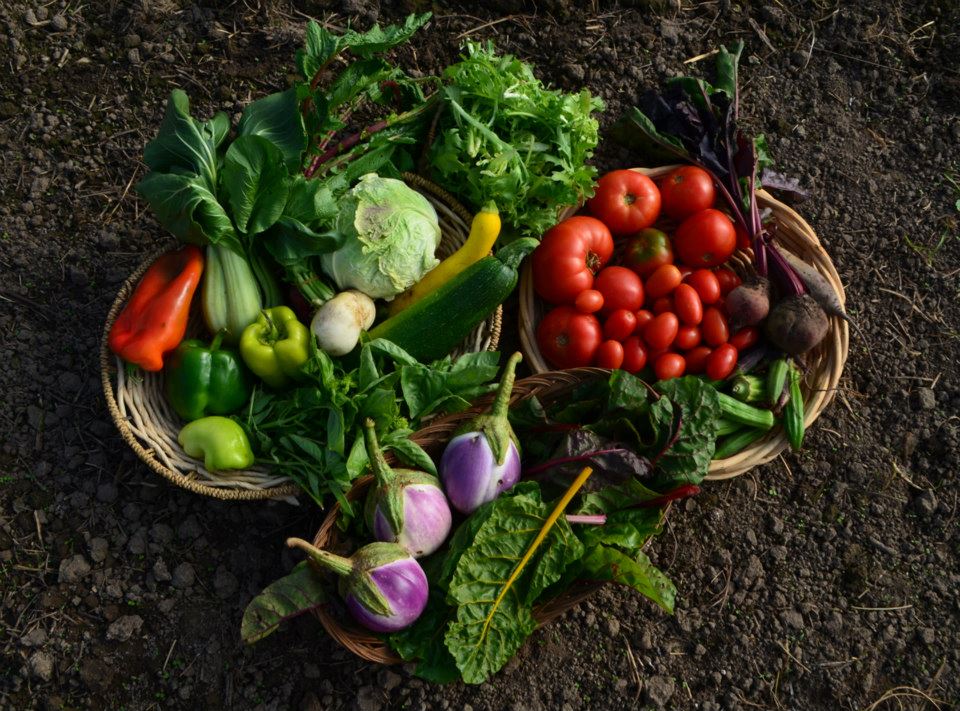
- Health and wholeness — growing a wide variety of vegetables across the season without chemical inputs.
- Community — Community Supported Agriculture (CSA) subscriptions, framed as a way to rebuild personal relationships between eaters and growers.
- Sustainability — maintaining soil fertility and water quality on what the farm calls some of the richest soil in its region.
- Farmstead products — soap and skincare made on the farm, plus cottage food.
- Learning and staying — upcoming workshops, events on the farm, cooking resources and the bed-and-breakfast stay.
Who it suits
If you are looking for a local, chemical-free vegetable subscription and value knowing the people who grow your food, the CSA side is the main draw. If you want a farm-based overnight stay with classes attached, Innisfree Farm Stay is the relevant part. If you are more interested in handmade soap and skincare than produce, the farmstead products line is worth a look.
A practical next step
Decide which side of the farm you actually want — food, products, or a stay — then go straight to that section rather than reading the whole site. For the food side, start with the subscription and "what we grow" pages to check whether the season and pickup arrangements fit your household; for the stay, look at the bed-and-breakfast and upcoming workshops pages to see what is scheduled when you want to travel. The site's own newsletter and recipe links are a low-commitment way to get a feel for the farm before subscribing or booking.
How does the Community Supported Agriculture subscription work at Scotch Hill Farm?
Scotch Hill Farm runs a Community Supported Agriculture (CSA) subscription: members subscribe to the farm's harvest in advance, and in return receive a share of what is grown over the season. The farm frames this as more than a produce purchase — its own description of CSA emphasizes "regain[ing] the personal relationships at the heart of a healthy food system," so the subscription is designed around an ongoing connection to the farm and the people growing your food.
What the page evidence supports:
- Subscription model: The farm is described as a "subscription garden," with subscribe/subscription language on the site.
- What members get: A share of vegetables grown across the growing season, from "vegetable, herb and flower gardens."
- Growing practices: No pesticides, no herbicides, no chemical fertilizer, no treated seeds; the farm describes its approach as regenerative and sustainable, focused on soil fertility and water quality.
- Member extras: The site has a Subscribers' Blog and newsletter/recipe links, suggesting subscription includes communication and cooking resources rather than just boxes of produce.
- On-farm dimension: Innisfree Farm Stay & Retreat adds a bed and breakfast plus classes and events, so subscribers in the area may have reasons to visit beyond pickup.
Practical next step
Because share sizes, pickup or delivery arrangements, season length and sign-up deadlines are not specified in the material here, the useful move is to contact the farm directly through the site's Contact Us page, or check the Subscribers' Blog for how a typical week actually looks. That will tell you more than any general description of CSA.
Is a CSA share the right fit for you?
| Consideration | CSA share | Buying week to week |
|---|---|---|
| Variety | Whatever the farm harvests that week | You choose exactly what you want |
| Planning | You commit before the season | No commitment |
| Connection | Direct relationship with growers, newsletters, farm events | Usually anonymous |
| Risk | Weather and pests affect the share | Store supply is more predictable |
A CSA suits someone who cooks flexibly, enjoys seasonal eating and wants a direct tie to a local farm. If you need precise control over what arrives each week, a farm stand or market may fit better. For broader context on how CSAs work, Local Harvest maintains a national directory and explanation of community supported agriculture.
What can guests expect from a bed and breakfast stay at Innisfree Farm Stay?
Guests can expect a working-farm bed and breakfast rather than a conventional inn: Innisfree Farm Stay & Retreat is described as the farm's newest venture, a B&B on the farm offered alongside classes and events. The setting is Scotch Hill Farm, a regenerative, chemical-free family farm run by Tony and Dela Ends, with vegetable, herb and flower gardens, value-added products and a farmstead soap and skincare business.
The page's own framing emphasizes three themes that shape a stay:
- Health & Wholeness — food grown without pesticides, herbicides, chemical fertilizer or treated seeds.
- Community — Community Supported Agriculture as a way to rebuild personal relationships in the food system.
- Sustainability — soil fertility and water quality protected through chemical-free practices.
What that means in practice
A guest who books here is choosing an agricultural, educational and quiet-rural experience over hotel-style amenities. Expect farm rhythms, seasonal growing activity, and the chance to combine a stay with workshops or farm events. The soap and skincare side of the business and the cottage food offerings suggest on-site products you may be able to see or buy. Meals are likely to lean on what the gardens produce in season, though the page does not spell out a menu or daily schedule.
Trade-offs to weigh
This suits travelers interested in organic farming, food, and hands-on learning, or those wanting a peaceful retreat with hosts who are visibly involved in the operation. It is less suited to anyone wanting predictable resort services, late-night dining, or an urban location. Because availability and programming follow the growing season, flexibility on dates matters more than at a standard B&B.
A useful next step
Check the Upcoming Workshops and Events on the Farm pages before you pick dates, then ask directly about room details, meal arrangements, and whether the dates you want overlap with a class or harvest period. If you want a farm-stay comparison, Farm Stay US lists working-farm accommodations by region, which helps you judge how this one fits your expectations.
What types of farmstead soaps and skincare products are made at Scotch Hill Farm?
The farm makes farmstead soap and skincare products as part of its value-added, soap-making business. The website groups these under "Farmstead Soap & Skincare" and "Cottage Food," but it does not list specific bars, scents, ingredients or product names on the pages summarized here.
For a concrete next step, use the site's "Farmstead Soap & Skincare" section to see the current product line, then check "Upcoming Workshops" or "Events on the Farm" if you want to learn the soap-making process rather than just buy the soap. If you are comparing with other small farms, look for whether the soaps are made from the farm's own botanicals and whether the same no-pesticide, no-herbicide approach applies to the skincare line.
A practical decision criterion: if you care most about a specific ingredient or scent, contact the farm directly rather than assuming a standard product range, because small farmstead soap operations often change batches with the season.
What workshops and events are offered on the farm?
The site lists Upcoming Workshops and Events on the Farm as its main event sections, alongside a farm bed-and-breakfast and retreat called Innisfree Farm Stay. The homepage also has an Upcoming Events heading and points to a Subscribers' Blog, so some event or workshop details may be shared mainly with subscribers rather than fully described in public pages.
What the page evidence supports:
- Upcoming workshops — named as a section, but no specific workshop titles, dates or topics are given in the supplied text.
- Events on the farm — a separate events section, again without listed individual events in the excerpt.
- Farm stay and retreat — Innisfree Farm Stay & Retreat is described as a bed and breakfast on the farm “along with classes and events,” which suggests workshops and events are part of the wider farm-stay offering.
- Subscribers' blog and newsletter — a subscribers' blog and newsletter/recipe links are mentioned, which is often where seasonal farm news and event notes appear.
For a concrete next step, if you want to attend a specific workshop, check the Upcoming Workshops and Events on the Farm pages directly, and look at the Subscribers' Blog or newsletter for announcements. If you are planning a stay, ask whether any classes or events coincide with your dates, since the farm stay is described as including classes and events but the excerpt does not confirm a fixed public schedule.
How does Scotch Hill Farm practice regenerative and sustainable farming?
Scotch Hill Farm describes its approach as regenerative and sustainable family farming built on a simple, strict rule: no pesticides, no herbicides, no chemical fertilizer and no treated seeds. The farm is owned and operated by Tony and Dela Ends and combines vegetable, herb and flower gardens with value-added products and a farmstead soap-making business.
The practices it highlights fall into a few practical areas:
- Soil protection and fertility. The site frames its chemical-free methods as a way to maintain and enhance soil fertility in a region with unusually rich soil, rather than depleting it season to season.
- Water quality. Keeping synthetic inputs off the fields is presented as a way to protect water, not just produce.
- Biodiversity across the season. Growing a wide variety of vegetables over the course of the growing season spreads risk and keeps production diverse rather than monocultural.
- Community-supported agriculture. CSA is described as a way to rebuild personal relationships between eaters and growers — the social side of sustainability, not only the agronomic one.
A useful next step: if you are comparing farms or deciding whether to subscribe, ask what "regenerative" means in practice — cover cropping, compost, crop rotation, reduced tillage, pollinator habitat. The site states its chemical-free commitment clearly but does not spell out every soil-building technique, so a direct question at a farm event or workshop would fill that gap. The farm lists upcoming workshops, events on the farm, a subscribers' blog and cooking resources, which are the natural places to see the methods in more detail.
For context on why the chemical-free distinction matters, the USDA's organic program explains certification standards at USDA, and USDA Agricultural Marketing Service covers how certified organic production is verified.
 squarespace.com
 Google Workspace
User reviews (0)