
 简体中文
 English

Website review
This review may include AI-generated content and is not individually verified. Domain, certificate and other facts come from the observed data on this page.
What is Thunderbolt Tours?
Thunderbolt Tours is a storm-chasing tour operator that runs guided trips in Australia and the United States, aimed at people who want to watch severe weather up close rather than from a screen. The company says it has been chasing storms since 2001 and offers private tours ranging from a single day to a 14-day expedition. Its Australian season runs in November, December and February; its Tornado Alley season runs in May and June.
What the tours involve
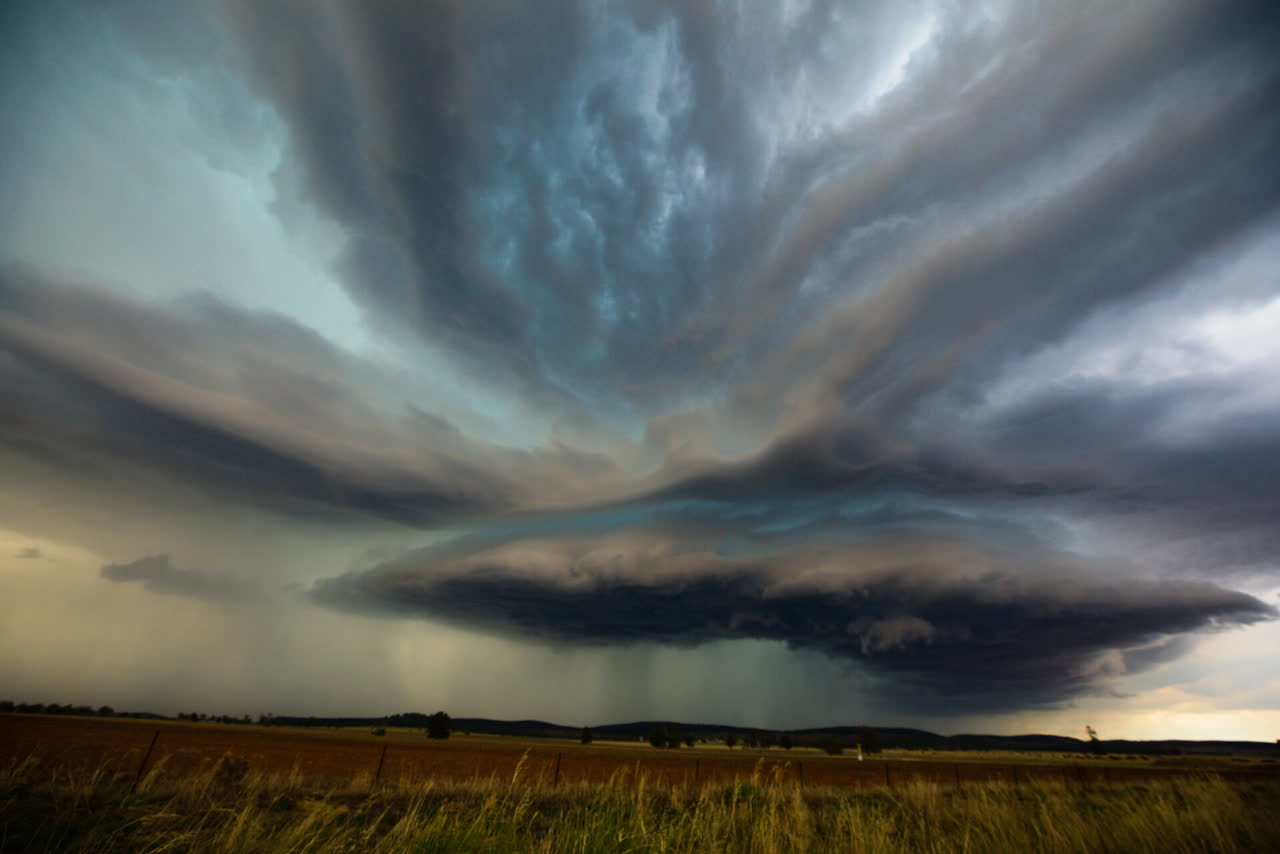
You ride with a guide who reads forecasts and drives you to the day's best storm target. According to the site, you may see supercells, lightning, giant hail, shelf clouds, wall clouds and tornadoes. Tours are private: the price covers one guest with their own guide and vehicle, and groups of two to four can share the vehicle and split the cost. The site also notes a 10% discount for past customers.
Trip lengths
| Option | Length | Best for |
|---|---|---|
| One Day | 1 day | A short-notice chase when storms are forecast nearby |
| Three Day | 3 days | Some flexibility to reposition as the forecast shifts |
| Week Storm Tours | 7 days / 6 nights | A stronger chance of catching a major storm day |
| Fortnighter | 14 days / 13 nights | Following storms across a wider area over a full expedition |
Who it suits
This is a good fit if you want a guided, front-seat experience and are willing to travel on short notice, since storm chasing depends on where the weather sets up. It is less suited to anyone who wants a fixed itinerary with guaranteed sights, or who is uncomfortable with long drives and changing plans. International visitors are explicitly welcomed, and the site lists PayPal, Mastercard, Visa and American Express as payment methods.
Next step
Decide how much time and flexibility you have, then compare the One Day and Three Day options if you are testing the experience, or a Week tour if a specific storm setup matters to you. If you are travelling with others, ask for a group price before booking, since sharing the vehicle lowers the per-person cost.
How much does a storm chasing tour with Thunderbolt Tours cost?
Thunderbolt Tours lists private storm-chasing adventures priced in Australian dollars with GST included, based on one guest with their own guide and vehicle:
| Tour | Duration | Price (AUD) |
|---|---|---|
| One Day | 1 day | $1,900 |
| Two Day | 2 days / 1 night | $3,950 |
| Three Day | 3 days / 2 nights | $5,950 |
| Week Storm Tours | 7 days / 6 nights | $14,250 |
| Fortnighter | 14 days / 13 nights | $28,800 |
The site also notes approximate US dollar equivalents for some of these, and says it accepts PayPal, Mastercard, Visa and American Express. Past customers are offered a 10% discount, and groups of two to four guests can share the vehicle and split the cost, so the per-person price drops.
A practical next step: if you're weighing a shorter chase against a longer one, compare the Three Day and Week options. The extra days mainly buy flexibility to reposition when forecasts shift, which matters more in a season with scattered storm setups than in a concentrated outbreak period.
What storms and weather phenomena can I expect to see on a Thunderbolt Tours chase?
You can expect the classic severe-storm set: supercells, frequent lightning, giant hail (the site mentions 10 cm hailstones found on tour), shelf clouds, wall clouds and tornadoes. The emphasis is on being positioned in front of the most violent weather rather than watching from a distance, so what you actually see on any given day depends on the forecast and where the chase leads.
Australia vs Tornado Alley
| Australia | US Tornado Alley | |
|---|---|---|
| Season | November, December and February | May and June |
| Typical draw | Supercells, lightning, big hail, shelf and wall clouds | The best odds of tornadoes, plus the same storm structure |
| Practical feel | Local knowledge, shorter travel between targets | Long drives across states to stay on the best storm |
If tornadoes are your priority, Tornado Alley in May or June is the obvious choice. If you want dramatic storms with less travel and an Australian-based operator, the local season works well.
Matching the trip to your goal
- One day: a taster for someone already in the region who wants a single guided chase.
- Three days: enough time to reposition when the first target fails.
- A week or a fortnight: the best chance of a big payoff, since you can follow the pattern rather than a fixed itinerary.
A useful next step is to decide whether you are chasing a specific phenomenon or the overall experience, then pick the season and trip length that gives the most days on the road. If you are travelling with others, ask about sharing the vehicle, as the cost per person drops with two to four guests.
When is storm chasing season in Australia and Tornado Alley for Thunderbolt Tours?
Thunderbolt Tours runs chases in two distinct seasons: the Australian chase season falls in November, December and February, while Tornado Alley trips run in May and June. Those windows line up with each region's severe-weather climatology — late spring and summer in Australia, and the classic US plains peak in late spring.
A practical next step is to match the season to your travel constraints. If you can only get away in the northern-hemisphere spring, Tornado Alley in May or June is your option. If you're free around the Australian summer, November, December or February keeps you closer to home if you're based in Australia, though December and February avoid the November overlap with other commitments.
For trip length, the operator offers 1-day, 2-day, 3-day, 7-day and 14-day private chases, so a fortnight in Tornado Alley gives the most chances to reposition and catch a supercell or tornado, while a single day suits a short-notice chase when storms are already forecast. If you're travelling with friends or family, two to four guests can share the vehicle and the price, which lowers the per-person cost.
To decide, check the operator's "When We Chase" page for current season details before booking, and confirm whether you want an Australian or US trip, since the two seasons don't overlap.
Can international visitors join a Thunderbolt Tours storm chase?
Yes. Thunderbolt Tours explicitly welcomes international visitors, and its chase seasons are split between two continents so you can pick the one that suits your travel plans:
- Australia: November, December and February
- US Tornado Alley: May and June
Trips range from a single day to a 14-day expedition, and the site describes them as private chases — your own guide and vehicle — with group pricing available if you travel with two to four people. Longer tours give more room to reposition when the forecast shifts, which matters most for out-of-country visitors who can't easily return for another attempt.
If you're flying in, the practical decision is how much buffer to build around the chase. A one-day booking is the cheapest and easiest to fit into a wider trip, but a single day can miss. A week or fortnight raises your odds of actually seeing supercells, giant hail or a tornado, at a much higher cost. Check which season matches your dates first, then choose the shortest tour that still gives you a realistic chance.
Next step: contact Thunderbolt Tours directly about the dates you have in mind, and ask what happens if the weather is quiet on your booked day.
What is included in a Thunderbolt Tours storm chasing adventure?
A Thunderbolt Tours chase is built as a private trip: you book your own guide and vehicle, and the price covers the chasing itself rather than a fixed itinerary of sights. The company describes its adventures as ranging from a single chase day to a 14-day expedition, with the guide following the forecast and repositioning to put you in front of the best storms.
What the structure tells you is included
- A dedicated guide and vehicle. Every listed option is sold as a private chase for one guest, with two to four guests able to share the vehicle and the price.
- Flexibility around the forecast. The three-day option is explicitly described as having time to reposition; the week and fortnight options follow storms wherever they go.
- Chase-day access to the weather. The advertised experiences are supercells, lightning, giant hail, shelf clouds, tornadoes and wall clouds.
- Seasonal scheduling. Australian chasing runs in November, December and February; Tornado Alley in May and June.
- International visitors are welcomed, and the site has a dedicated overseas visitors section.
- Payment is accepted by PayPal, Mastercard, Visa and American Express.
The site also lists a "What's Included" page and an "Important Info" page, which is where you should look for the practical details: whether accommodation, meals, transport to the start point, insurance or park fees sit inside the price. The pricing table shows nights for the longer tours (for example, 7 days / 6 nights), which suggests lodging is part of those packages, but the summary does not spell out exactly what the nightly component covers.
A useful next step: decide how many days you can give, then check the "What's Included" and "Important Info" pages before booking, and ask directly about meals, accommodation, pickup location and what happens if a chase day is washed out. If you are travelling with others, ask for the group price, since sharing the vehicle lowers the per-person cost. For a first taste, the one-day private chase is the lowest-commitment way to test whether storm chasing suits you; if your goal is a realistic shot at a tornado, the week-long Tornado Alley tour in May or June gives the guide far more room to reposition.
 Cloudflare
User reviews (0)