
 简体中文
 English

Website review
This review may include AI-generated content and is not individually verified. Domain, certificate and other facts come from the observed data on this page.
What is Wafler Nursery?
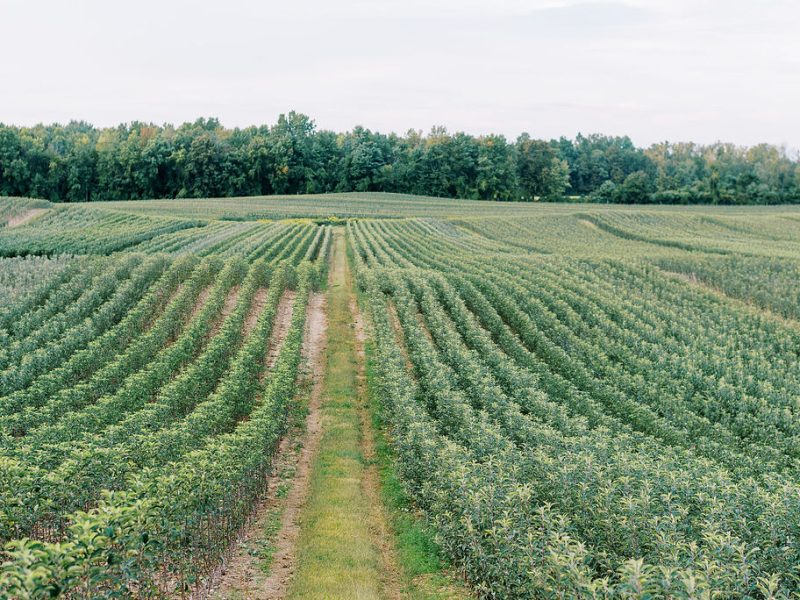
Wafler Nursery is a fruit-tree nursery that grows custom-budded apple and pear trees, along with stone fruit, across multiple rootstocks — over 200 varieties in total. It serves two distinct audiences from the same operation: commercial orchard growers buying bareroot trees in volume, and backyard growers looking for 25 trees or less. It also sells orchard supplies, which can be shipped or picked up at the nursery.
The practical split matters more than the variety count. If you are planting an orchard block, you care about rootstock selection, bareroot handling and variety lists suited to commercial production. If you are planting a few trees at home, the relevant question is which variety and rootstock combination fits your climate, space and harvest window — the nursery's own blog addresses exactly that, along with storage and tree-support topics.
Who it suits
- Commercial growers: bareroot trees, shipping within the US and Canada, and a commercial variety list.
- Home growers: smaller orders, with varieties chosen for backyard conditions rather than wholesale uniformity.
- Existing orchard owners: supplies for maintenance and training, such as the trellis-style support systems described in their blog.
A useful next step
Decide your scale first, then browse the matching section — commercial inventory versus backyard varieties. Before ordering, confirm two things directly with the nursery: whether your preferred variety is available on the rootstock you need, and your shipping window, since bareroot trees are planted dormant. If you are new to fruit trees, their guide on choosing an apple or pear tree is a sensible starting point for narrowing hundreds of names down to a shortlist.
How do I choose the right apple or pear tree variety for my backyard?
Start with your site conditions and how you plan to use the fruit, then pick a variety and rootstock that fit. Wafler Nursery frames this exact problem in its blog post "How to Choose the Perfect Apple or Pear Tree for Your Yard," noting that hundreds of names like G.11 and Harrow Sweet can overwhelm a beginner. The nursery grows over 200 custom-budded apple and pear varieties across multiple rootstocks and sells backyard-sized orders of 25 trees or fewer, so the catalog itself is broad enough that you need your own filters before browsing.
Four filters that narrow the list fast
- Climate and chill hours. Apples and pears need a certain number of cold hours each winter to fruit well. Ask your local extension office for your chill range, then eliminate anything that needs more cold than you reliably get.
- Pollination. Many apples and some pears need a different variety blooming at the same time nearby. If you have room for only one tree, choose a self-fertile variety or plan for a compatible partner.
- Space and rootstock. A dwarfing rootstock such as G.11 keeps a tree small enough for a small yard; a more vigorous rootstock needs more room. Match the rootstock to your spacing, not just the fruit name.
- Use and harvest window. Fresh eating, baking, cider, sauce and storage each favor different varieties. If you want fruit over a long season, choose several varieties that ripen at different times rather than one heavy cropper.
A practical decision sequence
- Measure your planting spot and note sun exposure, soil drainage and how much pruning you will realistically do.
- Decide how many trees you want and whether you need cross-pollination.
- List your top three uses (fresh, storage, cooking) and the months you want fruit.
- Shortlist two or three varieties that pass the climate and pollination filters, then compare rootstocks.
- Order early; bare-root trees ship in dormancy and popular varieties sell out.
For example, a homeowner with one sunny spot and a family that eats apples fresh from August to November might choose a self-fertile or easily pollinated variety on a dwarfing rootstock, plus a second later-ripening variety if space allows. A pear grower in a colder region should check both chill requirement and fire blight resistance, since pears vary widely on both.
If you want to store part of your harvest, the nursery's guide to storing apples and pears is worth reading before you choose, because storage life differs by variety. Wafler also publishes a guide on supporting backyard fruit trees with wires, which matters if you plant a high-density or dwarfing setup. Browse the variety list at Wafler Nursery and, if you are unsure, contact the nursery with your location, chill hours and spacing; that conversation will settle more than any catalog description.
What rootstock should I choose for my commercial orchard?
Choose rootstock by matching it to your soil, climate, tree spacing, and how you plan to manage the orchard — not by picking the most popular name. Wafler Nursery's commercial page notes it offers bareroot trees on multiple rootstocks with over 200 custom-budded apple and pear varieties, so the rootstock decision is usually made alongside variety selection rather than separately Wafler Nursery.
The main trade-offs
| Priority | Rootstock direction | What you give up |
|---|---|---|
| Fast bearing, high density, trellis system | Dwarfing (e.g., M.9-class, G.11-class) | Needs irrigation, support, and careful fertility; weaker anchorage |
| Freestanding trees, less infrastructure | Semi-dwarfing or semi-standard | Slower to crop, wider spacing, lower yield per acre |
| Poor or replant-prone ground | More vigorous or disease-resistant series | Larger trees, harder to keep in a pedestrian orchard |
| Cold or fire-blight-prone sites | Cold-hardy or blight-resistant series | May be less dwarfing than you want |
Practical decision steps
- Start with your site. Heavy clay, sandy soil, replant history, winter minimums, and drainage rule out some options before anything else.
- Decide your system. A tall-spindle or fruiting-wall planting demands a dwarfing rootstock and a trellis; a low-input or u-pick block often suits something more vigorous.
- Check your water. Dwarfing rootstocks have smaller root systems and generally need reliable irrigation.
- Confirm market and variety. Some varieties size or color poorly on certain rootstocks, and processors may have preferences.
- Order early. Custom-budded and bareroot material is grown to order, so rootstock and variety combinations are usually committed well ahead of planting.
Example
A grower planting 5 acres of Honeycrisp for fresh market on well-drained loam with irrigation and a trellis would typically look at a dwarfing, precocious rootstock to get earlier returns and easier picking. A grower on marginal, replant-heavy ground with no irrigation would more likely accept a more vigorous rootstock and wider spacing in exchange for a tougher, longer-lived tree.
Next step
Read Wafler's commercial variety and inventory lists to see which rootstock–variety combinations it actually propagates, then ask directly which rootstocks suit your soil type and intended spacing before placing a custom-bud order Wafler Nursery. If you are weighing a smaller planting, its backyard section covers orders of 25 trees or fewer, which uses different logic than a commercial block.
How do I store apples and pears after harvest?
Wafler Nursery's own blog covers this topic directly: "A Backyard Guide to Storing Apples and Pears" is written for home growers who have just finished pruning, thinning and protecting their trees and now face a harvest they cannot eat all at once. The nursery frames the problem plainly — unless you plan to bake 50 pies in one weekend, you need a way to keep fruit fresh for months.
The core rules
- Sort before you store. One bruised or cut apple can spoil a whole bin. Set aside damaged fruit for immediate eating, sauce or freezing, and store only clean, unblemished fruit.
- Keep apples and pears separate. Apples give off ethylene gas that speeds ripening, which shortens a pear's storage life. Use different boxes, or different rooms.
- Cool, dark and humid. A root cellar, unheated garage corner or spare refrigerator works well. Aim for near-freezing temperatures for apples and slightly warmer for most pears.
- Single layer, not piled deep. Wrap each fruit in newspaper or nestle it in dry straw or shavings so fruits do not touch. A shallow box or tray beats a deep bin.
- Check weekly. Remove any fruit that has gone soft or spotted before it spreads.
Pears need a two-step approach
Unlike apples, most pears ripen best off the tree. Pick them mature but firm, chill them, then bring a few into a warm room for a few days to finish ripening before eating. If you leave them on the tree too long, they turn mealy in storage.
Choosing trees with storage in mind
Variety matters as much as technique. Late-season apples generally keep far longer than early summer types, and some pear varieties are noted for holding well. If long storage is a priority for you, ask about keeping quality when you select trees — Wafler's catalog lists over 200 apple and pear varieties, and their blog post on choosing a tree walks through matching varieties to your yard and goals.
A practical next step: download the nursery's PDF catalog at Wafler Nursery and note which varieties are described as good keepers, then plan your storage space around the volume that implies.
What orchard supplies does Wafler Nursery offer and how do I order them?
Wafler Nursery lists an "Orchard Supplies" section alongside its tree offerings, but the page itself does not itemize specific products. What it does say is that you order supplies by contacting the nursery directly, and that supplies can either be shipped to you or picked up at the nursery. So the practical answer is: there is no online supplies catalog or checkout on this page — you request a list or place an order by getting in touch.
How ordering works, based on the page
- Supplies are ordered by contacting the nursery; the page directs you to "order contact us today."
- Fulfillment is either shipping to you or pickup at the nursery.
- The full catalog is available as a downloadable PDF ("2026 Catalog"), which is the most likely place to find an actual supplies list before you call.
A sensible next step
Download the catalog PDF first and scan it for the supplies section, then contact the nursery with a specific list rather than a general inquiry. If you are already ordering trees, ask whether supplies can be added to the same shipment — combining a tree order with stakes, ties or trellis hardware is usually the cheapest way to buy bulky items, since freight on long stakes is often the largest cost.
Who this suits
This contact-to-order model fits commercial growers and serious backyard growers who know what they need and want to confirm availability, rootstock or quantity before committing. It is a poorer fit if you want to browse prices and check out online in one sitting — for that, a general retail orchard-supply vendor is faster, though you lose the ability to coordinate supplies with your tree order.
For background on why backyard trees may need staking and wire support in the first place, the nursery's own blog post on tree support is a reasonable starting point.
How do I build a support system for backyard fruit trees?
A backyard support system usually means a simple trellis, stake, or wire-and-post frame that holds a young or heavy-cropping tree upright and keeps its branches in a productive shape. Wafler Nursery's blog covers exactly this topic, noting that modern orchards often grow trees along wires rather than letting them stand alone — a cue that home growers can borrow the same idea at a smaller scale.
Wafler Nursery
Pick the system that fits your goal
- Single stake: Best for a dwarf tree on a size-controlling rootstock that just needs help staying vertical for its first few years. Cheapest and least obtrusive.
- Three-stake tripod or stake-and-tie: Good for a semi-dwarf in a windy, exposed yard where one stake would flex.
- Wire trellis (two or more posts with horizontal wires): The right choice if you want a formal espalier, a fruiting wall along a fence, or a high-density planting of several trees you plan to train flat.
- Permanent support for a weeping or heavy-bearing tree: If a mature tree leans under fruit load, a post-and-cable brace under a scaffold limb can save it, but this is a repair, not a training plan.
Basic build steps
- Decide the training form first. A central-leader tree needs a tall stake; a fruiting wall needs posts set 10–15 feet apart with wires at roughly 2-foot vertical intervals.
- Set posts before planting. Sink wooden or metal posts about a quarter of their length into the ground, below the frost line where that matters, and brace end posts against the pull of tensioned wire.
- Plant, then tie loosely. Use soft ties, rubber strips, or figure-eight loops so the trunk can still move slightly — rigid ties girdle trees as they grow.
- Train branches to the wires. As shoots extend, bend flexible young wood toward the wire and tie it at a shallow angle. Summer is easier on the wood than winter.
- Check and loosen ties each season. Ties that were fine last spring will be too tight by fall.
Trade-offs worth knowing
| System | Cost and effort | Best for | Main drawback |
|---|---|---|---|
| Single stake | Low | Dwarf trees, first 3–5 years | Little help with branch angle or wind |
| Tripod stakes | Low–moderate | Exposed sites, semi-dwarf trees | Bulkier, harder to mow around |
| Wire trellis | Moderate–high | Espalier, fruiting walls, several trees | Permanent structure, needs annual pruning discipline |
A practical next step: before you buy materials, look up the rootstock of the tree you planted or plan to plant. A vigorous, full-size tree on a seedling rootstock will outgrow most home trellises, while a dwarfing rootstock is the case where a stake or wire system pays off most. Wafler Nursery sells apple and pear trees on multiple rootstocks and publishes guidance on choosing varieties and rootstocks for a yard, which is a sensible place to confirm what you actually have.
 Cloudflare
 Google LLC
 Microsoft 365
User reviews (0)