Website profiles · Technology insights · Alternatives

plasticexpert.com

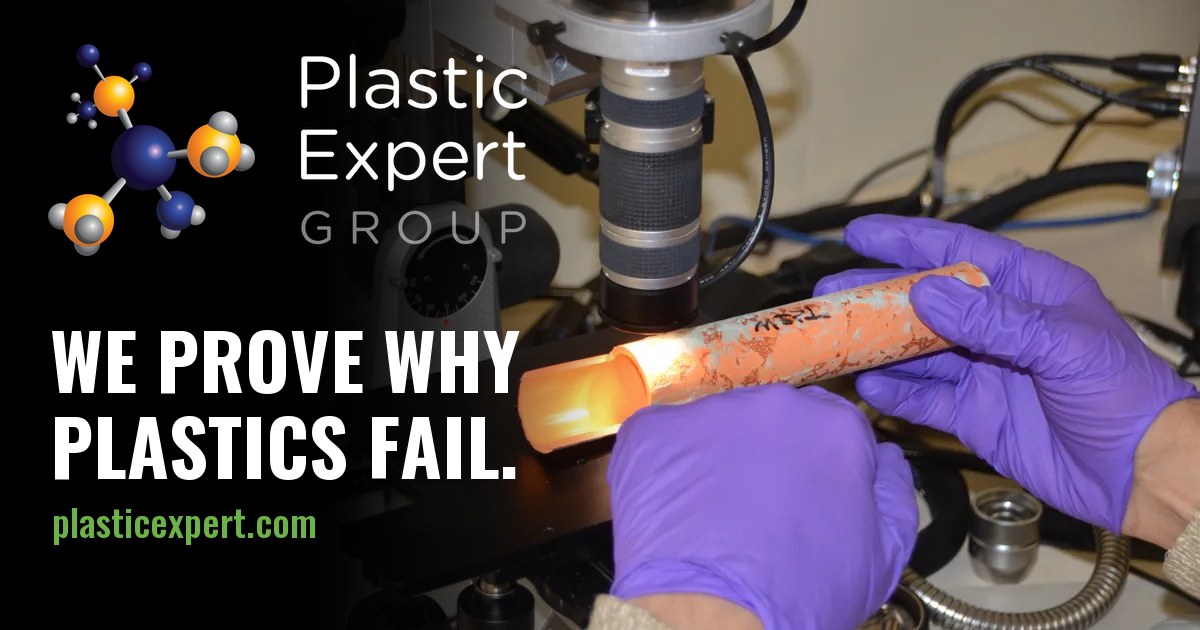
Plastic Expert Group proves why plastics fail and testifies to it for insurers, subrogation counsel, and manufacturers. 580+ litigation-related projects.

No paid content found
Visit website
Profile views 9 Outbound visits 1 Normal
Plastic Expert Group Full homepage screenshot

At a glance

Category
Business Services
Language
English
Paid-content signal
No paid content foundObserved
Registered
2004
Hosting
CloudflareInferred
HTTPS certificate trusted
PassedObserved
Last updated

Website review

This review may include AI-generated content and is not individually verified. Domain, certificate and other facts come from the observed data on this page.

What is Plastic Expert Group?

Plastic Expert Group is a forensic engineering and consulting firm that specializes in why plastic and polymer components fail. It serves insurers, subrogation counsel, attorneys, and manufacturers by delivering court-ready root-cause findings, expert-witness testimony, and preventive design advice. The firm describes itself as not selling materials or products, so its role is analysis and testimony rather than supply.

Its stated capabilities span three areas: failure analysis and lab testing, design and materials consulting, and legal consultation. It reports 70+ experts, 2,000+ client matters, 580+ litigation-related projects, and 20+ years in practice, with a US, Europe, and Asia-Pacific team and an accredited affiliate-lab network.

Typical reasons to contact them

  • A CPVC fire sprinkler, PEX plumbing, or other pipe/water-loss failure
  • A data center or mission-critical piping loss
  • A plastic molding or part defect, or a construction/building defect
  • A medical device, consumer product, or automotive plastic failure
  • Litigation support where a court-ready opinion on cause is needed

Who tends to use it

Audience What they usually need
Insurers and subrogation professionals Cause of loss, recovery support, defensible findings
Plaintiff or defense attorneys Expert witness, litigation support
Manufacturers and OEMs Root cause, design and materials guidance to prevent repeat failures
Engineers, architects, contractors Independent technical assessment of a failed component

The site offers a confidential expert review with a one-business-day reply and a no-cost initial assessment, and it states requests are for consulting, testing, legal, or expert-witness work only.

Next step: If you have a specific failed part or loss, gather photos, material or resin identification, installation and service history, and any prior test reports before requesting a review. That documentation usually determines how quickly a cause can be narrowed. If your issue is litigation-driven, confirm early whether you need a testifying expert or only a laboratory analysis, since the scope and deliverables differ.

How do I request an expert review from Plastic Expert Group?

Use the “Request an Expert Review” form on Plastic Expert Group's website. It is the intake route for consulting, testing, legal and expert-witness inquiries, and the page describes the initial assessment as no-cost with no upfront commitment and a one-business-day reply. This is not a product-purchase or materials-supply channel.

What the form asks for

Based on the site's form fields, have these ready before you start:

  • Your role — plaintiff attorney, defense attorney, insurer or subrogation professional, property owner/HOA/property manager, manufacturer or OEM, materials or design engineer, general contractor or installer, architect or design professional, data center or facility operator, or other.
  • Contact details — first and last name, email, phone (include country code if outside the USA), and company or firm.
  • A topic — expert witness or litigation support, lab testing or forensic analysis, materials selection or design consulting, CPVC fire sprinkler failure, PEX plumbing failure, other pipe or water-loss failure, data center or mission-critical piping, medical device failure, consumer product or equipment failure, automotive plastic failure, plastic molding or part defect, construction or building defect, or other.
  • A brief description of the problem.

The page also lists a phone number for direct contact, which suits urgent losses better than a form if a deadline is close.

A practical example

A subrogation professional handling a PEX plumbing water-loss claim would select the insurer/subrogation role, choose “PEX plumbing failure” as the topic, and write a short description covering the pipe's service life, the failure location, when the loss was discovered, and what evidence is preserved. That framing matches the loss categories the firm says it resolves and helps the intake team route the matter.

How to choose your route

  • Litigation or an active claim: choose expert witness or litigation support and state any court deadlines.
  • Cause unknown, no dispute yet: choose lab testing or forensic analysis.
  • Preventing failure in a new product: choose materials selection or design consulting.
  • Known failure type: pick the specific category, such as CPVC fire sprinkler or automotive plastic failure.

If the failure type is unclear, select “Other” and describe the component, material and service conditions rather than guessing a category.

What types of plastic failures does Plastic Expert Group investigate?

Plastic Expert Group investigates plastic and polymer failures across four broad areas: forensic root-cause analysis, litigation and expert-witness support, insurance and subrogation claims, and design/materials consulting to prevent future failures.

Loss categories named on the site

  • CPVC fire sprinkler failure
  • PEX plumbing failure
  • Other pipe or water-loss failures
  • Data center and mission-critical piping failures
  • Medical device failure
  • Consumer product and equipment failure
  • Automotive plastic failure
  • Plastic molding or part defects
  • Construction or building defects

What that looks like in practice

The common thread is a polymer component that failed and a question of what failed, why, and who is responsible. For an insurer or subrogation counsel, that often means a water-loss claim tied to CPVC or PEX piping, or a building defect where the plastic part is central to liability. For a manufacturer or OEM, the same lab work supports a molding-defect or field-failure investigation, and the design side of the practice aims to engineer the failure out before it recurs.

Who the work is for

Plaintiff and defense attorneys, insurers and subrogation professionals, manufacturers and OEMs, materials and design engineers, property owners and managers, contractors and installers, architects, and data center or facility operators. The site states it does not sell materials or products, which matters if you need a neutral finding rather than a vendor's opinion.

How to decide whether to engage them

If your question is "why did this part fail and can we defend that conclusion," a forensic lab with court experience fits. If your question is "which resin should we specify," that is a design-consulting engagement, not a failure investigation. The site offers a no-cost initial assessment and a one-business-day reply, so the practical next step is to describe the failed component, the loss type, and the forum (claim, litigation, or internal product decision) in that request.

For a second opinion on polymer failure modes and testing standards, the Plastics Industry Association and ASTM International publish relevant technical material.

Can Plastic Expert Group provide expert witness testimony for litigation?

Yes. Plastic Expert Group provides expert witness and litigation support, including court-ready root-cause findings on why plastic or polymer components failed. The site says the firm has handled 580+ litigation-related projects and serves plaintiff attorneys, defense attorneys, insurers, and subrogation counsel.

What they offer

  • Forensic failure analysis: determine what failed and why.
  • Expert witness testimony: explain findings in litigation.
  • Insurance and subrogation support: investigate losses and support recovery claims.
  • Design and materials consulting: help manufacturers prevent failures before they occur.
  • Independent lab testing through an accredited affiliate-lab network.

Typical litigation scenarios The site lists loss categories such as CPVC fire sprinkler failure, PEX plumbing failure, other pipe or water-loss failures, data center or mission-critical piping, medical device failure, consumer product or equipment failure, automotive plastic failure, molding or part defects, and construction or building defects.

Practical next step Use the “Request an Expert Review” form and select “Expert witness or litigation support.” The site describes this as a no-cost initial assessment with no upfront commitment and says you can expect a confidential one-business-day reply. For a case, have the failed component, installation or maintenance history, and any opposing expert report ready.

Decision criterion If the dispute turns on polymer materials, manufacturing defects, or failure mechanisms, a specialized plastics expert is likely more useful than a general engineer. If the issue is purely contractual or damages-related, a different type of expert may be needed first.

For broader context on forensic engineering or expert witness standards, see ASME or ASTM International.

What industries does Plastic Expert Group serve?

Plastic Expert Group serves industries where plastic or polymer components fail and the cause matters legally, financially, or technically. Its work centers on insurance, litigation, and manufacturing, with a strong focus on piping and water-loss disputes.

Primary audiences

  • Insurers and reinsurers investigating property losses, especially water damage and fire sprinkler failures.
  • Subrogation counsel pursuing recovery against manufacturers, installers, or suppliers.
  • Plaintiff and defense attorneys needing court-ready root-cause findings and expert testimony.
  • Manufacturers and OEMs investigating part defects, molding problems, or product failures.
  • Materials and design engineers selecting plastics or engineering failure out before launch.

Industry and loss categories

  • Construction and building products — CPVC fire sprinkler failure, PEX plumbing failure, other pipe and water-loss failures, and general construction defects.
  • Data centers and mission-critical facilities — piping failures where downtime carries high cost.
  • Medical devices — polymer component failures with regulatory and liability exposure.
  • Consumer products and equipment — product failures, part defects, and molding issues.
  • Automotive — plastic component failures, often tied to warranty or liability claims.

How to decide if it fits your case

Your situation Likely fit
You need a cause-and-origin finding for an insurance claim Strong — core service
You need a testifying expert for litigation Strong — 580+ litigation-related projects
You need help choosing or designing a plastic part Yes — materials and design consulting
You need someone to supply or sell plastic materials No — the firm states it does not sell materials or products

A practical next step: if you are an insurer or attorney, request the no-cost initial assessment and describe the failed component, when it failed, and what is in dispute. If you are a manufacturer, bring the failed part, its material specification, and process conditions so the review can move quickly.

What qualifications do the experts at Plastic Expert Group have?

The experts at Plastic Expert Group are presented as a team of 70+ globally recognized specialists with backgrounds at major industrial and technology companies — the site names Dow Chemical, DuPont, Bayer/Covestro, 3M, General Motors, and IBM. The firm says it has 20+ years in practice, a global team spanning the US, Europe, and Asia-Pacific, and a track record of 2,000+ client matters and 580+ litigation-related projects. Cofounder and CEO Dr. Duane Priddy Sr. is featured in a CBS 60 Minutes interview, and the firm says it founded one of the largest plastics technical communities on LinkedIn (58,000+ members across five groups since 2008).

H3 What the credentials mean in practice

  • Corporate R&D pedigree: Backgrounds at resin suppliers, chemical companies, and OEMs matter when the dispute turns on material selection, processing, or design intent rather than a simple manufacturing defect.
  • Litigation experience: 580+ litigation-related projects suggests the team is used to producing court-ready root-cause findings, not just lab reports.
  • Independent testing: Findings are described as tested through an independent, accredited affiliate-lab network, which helps separate the analysis from any commercial interest in the outcome — the firm states it does not sell materials or products.

H3 Who this fits Insurers, reinsurers, subrogation counsel, plaintiff and defense attorneys, and manufacturers or OEMs investigating failures. The site lists loss categories including CPVC fire sprinkler failure, PEX plumbing and water-loss failures, data center and mission-critical piping, medical device failure, consumer product and equipment failure, automotive plastics, molding defects, and construction defects.

H3 A practical next step If you are weighing whether to bring them in, match the failure type to the listed loss categories and request the no-cost initial assessment with a brief description of the component, the failure mode, and the dispute posture. If your case is a routine warranty claim on a well-understood defect, a local lab may be faster and cheaper; if the cause is contested and liability is significant, an expert with supplier-side and courtroom experience is the stronger choice. You can also compare against a broader forensic engineering firm such as Rimkus if you need multi-discipline coverage beyond polymers.

Related questions

More questions →
How to Request an Expert Review from Plastic Expert Group

Plastic Expert Group accepts expert review requests through a form on plasticexpert.com or by phone at +1 (989) 281-4465. The site states that requests receive a confidential reply within one business day, that the initial assessment is no-cost with no upfront commitment, and that the service covers consulting, testing, legal, and expert-witness requests only — the company does not sell materials or products. The form is the better route if you want to describe a failure in writing; the phone line suits urgent matters or questions about whether your case fits.

What the request form asks for

The form collects:

  • First and last name
  • Email
  • Phone number (include country code if outside the USA)
  • Company or firm
  • Your role
  • How they can help (topic)
  • Brief description

Both the role and topic fields are dropdowns, so you select from predefined options rather than writing free text. The brief description is the only open field, which makes it the place to put the specifics that determine whether the request is routed correctly.

Role options

  • Plaintiff attorney
  • Defense attorney
  • Insurer or subrogation professional
  • Property owner, HOA or property manager
  • Manufacturer or OEM
  • Materials or design engineer
  • General contractor or installer
  • Architect or design professional
  • Data center or facility operator
  • Other

Topic options

  • Expert witness or litigation support
  • Lab testing or forensic analysis
  • Materials selection or design consulting
  • CPVC fire sprinkler failure
  • PEX plumbing failure
  • Other pipe or water-loss failure
  • Data center or mission-critical piping
  • Medical device failure
  • Consumer product or equipment failure
  • Automotive plastic failure
  • Plastic molding or part defect
  • Construction or building defect
  • Other

How to fill it out so the request lands well

  1. Pick the closest role and topic even if imperfect. These fields likely drive internal routing. A plaintiff attorney with a CPVC sprinkler case should select "Plaintiff attorney" and "CPVC fire sprinkler failure" rather than "Other" on both.
  2. Put the component and the failure in the description. State what the plastic part is, where it was in service, how it failed, and when. The firm's stated question is "what failed, why, and who is responsible," so a description organized around those three points matches how they work.
  3. Note the context that changes the engagement. Litigation deadlines, an active insurance claim, or a subrogation posture all affect which expert and which lab work is appropriate. If a claim or case number exists, include it.
  4. Include the material if you know it. CPVC, PEX, and other polymer identifications are already topic options, which suggests the material type is a primary sorting criterion.
  5. Submit and expect a reply within one business day. The site describes the reply as confidential and the initial assessment as no-cost with no upfront commitment.

What happens after you submit

The site does not publish a detailed intake sequence beyond the one-business-day reply. What it does describe is the capability behind the review: 70+ experts, backgrounds from Dow Chemical, DuPont, Bayer/Covestro, 3M, General Motors, and IBM, and testing through an independent, accredited affiliate-lab network. The firm reports 2,000+ client matters and 580+ litigation-related projects over 20+ years, with teams in the US, Europe, and Asia-Pacific. If your matter needs lab work, that is arranged through the affiliate network rather than an in-house lab, based on the site's wording.

When to call instead

Call +1 (989) 281-4465 if:

  • You are unsure which role or topic to select.
  • The matter is time-sensitive and you want to confirm receipt.
  • You need to establish whether your failure type is one they handle before filling out a form.

The phone number is listed alongside the form as an equivalent contact route, not as a fallback for problems with the form.

What this service is not

The site states plainly that Plastic Expert Group does not sell materials or products. Requests are limited to consulting, testing, legal, or expert-witness work. If you are looking for a supplier, a replacement part, or a product recommendation, this is not the right contact — and the form's topic list reflects that, covering failures, defects, and disputes rather than procurement.

Quick reference

Item Detail
Primary route Request an Expert Review form on plasticexpert.com
Phone +1 (989) 281-4465
Response time One business day, confidential
Cost of initial assessment No-cost, no upfront commitment
Accepted request types Consulting, testing, legal, expert witness
Not offered Sale of materials or products
Required fields Name, email, phone, company/firm, role, topic, brief description
What Is Plastic Expert Group and What Does It Do?

Plastic Expert Group is a forensic engineering and consulting firm that investigates why plastic and polymer components fail, delivers court-ready root-cause findings, and advises product teams on preventing those failures. It serves insurers, reinsurers, subrogation counsel, attorneys, and manufacturers. If you need a failure explained for a claim, a lawsuit, or a design decision, this is the type of firm you would engage; if you are looking to buy plastic materials or products, it is not — the company states it does not sell materials or products.

Core services

The firm organizes its work into four service lines:

  • Forensic failure analysis — determining what failed and why, using laboratory testing.
  • Expert witness — providing testimony and litigation support based on those findings.
  • Insurance & subrogation — supporting carriers and subrogation counsel in loss investigations.
  • Design & materials consulting — helping manufacturers engineer failure out before it happens.

Its stated purpose is to "prove why plastics fail, predict how they will fail, and prescribe the fixes that prevent loss."

Who it works with

The intake form lists the roles the firm expects to hear from, which maps closely to its client base:

Client type Typical need
Insurers and reinsurers Establish cause of a plastic-related loss
Subrogation counsel and attorneys (plaintiff/defense) Technical findings and expert testimony
Manufacturers and OEMs Root-cause analysis and design/materials guidance
Materials and design engineers Failure prediction and prevention
Property owners, HOAs, property managers Investigating building or piping failures
Contractors, installers, architects Construction and building defect questions
Data center / facility operators Mission-critical piping and water-loss issues

Failure categories it handles

The site groups the losses it resolves by component type and industry, including:

  • CPVC fire sprinkler failure
  • PEX plumbing failure
  • Other pipe and water-loss failures
  • Data center and mission-critical piping
  • Medical device failure
  • Consumer product and equipment failure
  • Automotive plastic failure
  • Plastic molding and part defects
  • Construction and building defects

The framing is consistent across all of them: what failed, why, and who is responsible.

How engagements start

The entry point is a Request an Expert Review. According to the site:

  • The initial assessment is no-cost with no upfront commitment.
  • Requests are for consulting, testing, legal, or expert-witness work only.
  • The stated response time is one business day, and inquiries are treated as confidential.
  • A direct phone line is listed: +1 (989) 281-4465.

The request form asks for contact details, your role, a topic, and a brief description of the problem — enough for the team to route the matter.

Credentials and scale

Figures published on the site:

  • 2,000+ client matters and 580+ litigation-related projects
  • 70+ experts, with 20+ years in practice
  • Teams in the US, Europe, and Asia-Pacific
  • Staff backgrounds from Dow Chemical, DuPont, Bayer/Covestro, 3M, General Motors, and IBM
  • Testing conducted through an independent, accredited affiliate-lab network
  • Featured on CBS 60 Minutes, including an interview with cofounder and CEO Dr. Duane Priddy Sr.
  • Founder of a plastics technical community on LinkedIn with 58,000+ members across five groups since 2008

When to contact them — and when not to

Reasonable fit if you need an independent, defensible determination of why a polymer part or system failed, whether for an insurance claim, subrogation matter, litigation, or an internal design review. The combination of lab testing and expert testimony is aimed at matters that may end up in court.

Not a fit if you want to purchase plastic materials, products, or components — the company explicitly states it does not sell them. Pricing for services is not published; the site only indicates that the initial assessment carries no cost, so any fee structure would need to be confirmed directly with the firm.

How Plastic Expert Group Helps Manufacturers Prevent Plastic Failures

Plastic Expert Group helps manufacturers prevent plastic failures by combining design and materials consulting with forensic failure analysis: its scientists predict how a plastic part will fail, identify the root cause when it does, and recommend fixes before a loss reaches customers, insurers, or courts. The prevention work is aimed at product teams — manufacturers, OEMs, materials engineers, and design engineers — and is tested through an independent, accredited affiliate-lab network. If your need is litigation support or an insurance claim rather than prevention, the same firm handles that too, but the entry point and deliverable differ.

What prevention actually looks like

The company describes its work in three verbs: prove why plastics fail, predict how they will fail, and prescribe the fixes that prevent loss. For a manufacturer, the third and second are the prevention services.

  • Predictive failure analysis — evaluating a material or design against the conditions it will actually see, so failure modes are identified before tooling and production are committed.
  • Design and materials consulting — helping product teams "engineer failure out before it happens," which means material selection, design review, and process decisions are made with failure modes in mind.
  • Prescriptive fixes — recommendations tied to a specific root cause rather than generic material swaps.

The stated goal is to move failure analysis upstream, so it informs design and production decisions instead of only explaining a loss after the fact.

The three service lines and where prevention sits

Service line What it addresses Prevention relevance
Analysis Forensic failure analysis, root-cause determination Retrospective, but findings feed back into design
Design Materials selection and design consulting Directly preventive
Legal Consultation Expert witness and litigation support Not prevention; used when a dispute already exists

For a manufacturer, the Design line is the preventive one. Analysis becomes preventive when its findings are used to change a material, a geometry, or a process before the next production run.

How the work is verified

Findings and recommendations are tested through an independent, accredited affiliate-lab network. That matters for manufacturers because it means a predicted failure mode or a proposed material change can be validated by testing rather than accepted on opinion alone — and the same evidence base can later support a claim, a warranty dispute, or litigation if one arises.

Who the prevention service is built for

The firm lists manufacturers and OEMs, materials engineers, and design engineers among the roles it serves, alongside plaintiff and defense attorneys, insurers and subrogation professionals, property owners and managers, contractors and installers, architects, and data center or facility operators. The manufacturer-facing work is the design and materials consulting; the legal and insurance work is a separate track.

Loss categories that inform the prevention work

The failure categories the firm resolves indicate where prevention effort tends to pay off:

  • CPVC fire sprinkler failure
  • PEX plumbing failure
  • Other pipe and water-loss failures
  • Data center and mission-critical piping
  • Medical device failure
  • Consumer product and equipment failure
  • Automotive plastic failure
  • Plastic molding and part defects
  • Construction and building defects

If your product falls into one of these categories, the firm has a stated body of work in that failure mode, which is useful when you want a review grounded in comparable cases rather than general polymer science.

Credentials behind the recommendations

  • 70+ experts, with team backgrounds from Dow Chemical, DuPont, Bayer/Covestro, 3M, General Motors, and IBM, among others.
  • 20+ years in practice; 2,000+ client matters and 580+ litigation-related projects.
  • Global coverage: US, Europe, and Asia-Pacific teams.
  • Featured on CBS 60 Minutes, with an interview of cofounder and CEO Dr. Duane Priddy Sr. by Scott Pelley.
  • Founded one of the largest plastics technical communities on LinkedIn — 58,000+ members across five groups since 2008.

For a manufacturer, the relevant signal is the industry background of the team: people who have worked inside materials and OEM organizations are more likely to give recommendations that survive real production constraints.

How to start a prevention engagement

The site's intake path is Request an Expert Review, described as a no-cost initial assessment with no upfront commitment, for consulting, testing, legal, or expert-witness requests. The firm states it does not sell materials or products, so recommendations are not tied to selling you a specific resin or additive.

To get a useful response, be ready to describe:

  1. The part and material — what polymer, what application, what it is expected to do.
  2. The failure concern or observed failure — a predicted risk, a field failure, or a molding defect.
  3. The stage — concept, design, tooling, production, or post-sale.
  4. The decision you need to make — material selection, design change, process change, or a root-cause finding you can act on.

The intake form asks for name, email, phone (with country code if outside the USA), company or firm, role, topic, and a brief description. The listed topics include materials selection or design consulting, lab testing or forensic analysis, and the specific failure categories above. The site states a confidential one-business-day reply, and lists a phone number, +1 (989) 281-4465, as an alternative to the form.

Where prevention stops and litigation begins

Prevention and litigation support are not the same purchase, and the firm separates them. If you are a manufacturer trying to keep a failure from happening, the design and materials consulting track is the fit. If a failure has already produced a claim, a subrogation action, or a lawsuit, the expert-witness and forensic analysis track is the fit — and the 580+ litigation-related projects indicate that is a well-used path. The practical advantage of starting on the prevention side is that the same testing and documentation can later serve as evidence if a dispute does arise.

What Credentials and Experience Does Plastic Expert Group Have?

Plastic Expert Group (plasticexpert.com) is a forensic plastics consultancy that proves why plastics fail, predicts how they will fail, and prescribes fixes to prevent loss. Its credentials rest on four verifiable pillars: a 70+ expert bench with backgrounds at major chemical and manufacturing companies, 20+ years in practice, a track record of 2,000+ client matters and 580+ litigation-related projects, and public recognition including a CBS 60 Minutes feature. If you need court-ready root-cause findings or pre-failure design consulting, those numbers are the ones to weigh.

The expert bench

The group states it engages a team of 70+ globally recognized experts, with team backgrounds from Dow Chemical, DuPont, Bayer/Covestro, 3M, General Motors, IBM, and more. The team operates across the US, Europe, and Asia-Pacific.

For a failure case, the practical value of that mix is coverage: polymer chemistry, materials selection, molding and part defects, and application-specific failures (piping, medical devices, automotive, consumer products) are different skill sets, and a bench this size is positioned to match the expert to the failure mode rather than force one generalist onto every matter.

Track record and tenure

Metric Figure
Years in practice 20+
Client matters 2,000+
Litigation-related projects 580+
Experts 70+
Geographic coverage US, Europe & Asia-Pacific

The 580+ litigation-related projects figure is the most relevant one if your need is expert witness or subrogation support, since it reflects how often the group's findings have been prepared for a legal rather than purely internal audience. The 2,000+ client matters figure is broader and covers consulting and testing work as well.

Public recognition and professional standing

  • Featured on CBS 60 Minutes, with Scott Pelley interviewing Dr. Duane Priddy Sr., Cofounder & CEO.
  • Founded one of the largest plastics technical communities on LinkedIn, with 58,000+ members across five groups since 2008.

The 60 Minutes appearance is a media credential, not a technical certification — treat it as evidence of public visibility in the field rather than proof of capability on your specific failure. The LinkedIn community, running since 2008, is a longer-running signal of standing in the plastics technical community.

Who these credentials are built for

The group lists its audience as insurers, reinsurers, subrogation counsel, attorneys, and manufacturers, and its intake form routes requests by role (plaintiff attorney, defense attorney, insurer or subrogation professional, manufacturer or OEM, materials or design engineer, and others). Loss categories it resolves include CPVC fire sprinkler failure, PEX plumbing failure, other pipe or water-loss failures, data center and mission-critical piping, medical device failure, consumer product and equipment failure, automotive plastic failure, molding or part defects, and construction or building defects.

How to verify fit before committing

The site states a no-cost initial assessment with no upfront commitment, and a confidential one-business-day reply. Requests are accepted for consulting, testing, legal, or expert-witness work only — the group states it does not sell materials or products, which matters if you were looking for a supplier rather than an analyst.

To test the credentials against your case, bring the specific failure: component type, material, service conditions, and what question you need answered (root cause, liability, or prevention). The group's own framing — "what failed, why, and who is responsible" — is the standard its experts are set up to address.

What types of plastic failure cases does Plastic Expert Group handle?

Plastic Expert Group handles plastic and polymer failure cases across two broad tracks: litigation-related work (forensic failure analysis and expert witness for insurers, reinsurers, subrogation counsel, and attorneys) and preventive engineering work (design and materials consulting for manufacturers and OEMs). Its stated loss categories include CPVC fire sprinkler failure, PEX plumbing failure, other pipe or water-loss failure, data center and mission-critical piping, medical device failure, consumer product and equipment failure, automotive plastic failure, plastic molding or part defects, and construction or building defects. For every case, the framing is the same: what failed, why, and who is responsible.

The loss categories it resolves

The site lists these categories directly:

  • CPVC fire sprinkler failure — a recurring source of property and subrogation claims.
  • PEX plumbing failure — supply-line and system failures in residential and commercial plumbing.
  • Other pipe or water-loss failure — broader piping and water-damage losses beyond CPVC and PEX.
  • Data center or mission-critical piping — failures where downtime and business interruption raise the stakes.
  • Medical device failure — polymer components in devices and related products.
  • Consumer product or equipment failure — failed plastic parts in products and machinery.
  • Automotive plastic failure — polymer components in vehicles.
  • Plastic molding or part defect — manufacturing and processing defects.
  • Construction or building defect — plastic-related defects in buildings and installations.

If your case is a polymer component that failed and someone needs to know the cause, it likely falls inside this list. If the question is purely about non-plastic materials or a dispute with no polymer component, this is not the right fit.

Who each category is for

The same failure can be handled for different clients depending on where you sit:

Your role Typical engagement
Insurer or reinsurer Root-cause findings to support claim decisions
Subrogation counsel Court-ready causation evidence to pursue recovery
Plaintiff or defense attorney Expert witness and litigation support
Property owner, HOA, or property manager Understanding why a loss happened
Manufacturer or OEM Engineering failure out before it occurs
Materials or design engineer Materials selection and design consulting
General contractor or installer Construction or installation defect questions
Architect or design professional Design-related failure analysis
Data center or facility operator Mission-critical piping and water-loss issues

The site states it does not sell materials or products, so the engagement is analysis, testing, consulting, and testimony rather than supply.

Litigation support vs. preventive engineering

These are two distinct reasons to engage the group, and it helps to know which one you need.

Litigation-related work is for cases already in dispute or heading there. The group reports 580+ litigation-related projects and 2,000+ client matters, with findings described as court-ready. This track suits insurers, subrogation counsel, and attorneys who need a defensible root cause.

Preventive engineering is for product teams that want to predict how a part will fail and fix the design before losses occur. This track suits manufacturers, OEMs, and design engineers.

Some matters start as one and become the other — a manufacturer facing a claim may also want the design fix. The initial review form asks you to select a topic and role, which routes the request accordingly.

What to expect when you reach out

The site describes a no-cost initial assessment with no upfront commitment, and a confidential one-business-day reply. Requests are accepted for consulting, testing, legal, or expert-witness work only. The intake form asks for your role, the topic, and a brief description, so have the failure context ready: what the component is, where it failed, and what outcome you need (cause determination, testimony, or design guidance).

Credibility signals worth weighing

  • 70+ experts with backgrounds from Dow Chemical, DuPont, Bayer/Covestro, 3M, General Motors, and IBM, among others.
  • Independent, accredited affiliate-lab network used for testing.
  • 20+ years in practice, with teams in the US, Europe, and Asia-Pacific.
  • Featured on CBS 60 Minutes; the site links an interview with cofounder and CEO Dr. Duane Priddy Sr.
  • Founded one of the largest plastics technical communities on LinkedIn, with 58,000+ members across five groups since 2008.

These are the group's own claims; treat them as selection criteria to verify against your specific case rather than as independent endorsements.

How to decide if this fits your case

Use these conditions:

  • Fits if a plastic or polymer component failed, you need to establish cause, and the outcome is a claim, a dispute, a legal proceeding, or a design fix.
  • Fits if you are an insurer, attorney, manufacturer, or facility operator dealing with one of the listed loss categories.
  • Does not fit if you need materials or products supplied, or if the failure involves no polymer component.

If you are unsure, the no-cost initial assessment is the low-risk way to find out — describe the failure and the decision you need to make, and let the intake routing determine whether it is in scope.

Website Overview

An established domain and managed infrastructure suggest continuity of operations and may support dependable delivery, although neither guarantees service quality. Page metadata, canonical configuration and social previews work together to provide more consistent search and sharing presentation.

Domain and Registration

Registered in 2004, this domain has about 22 years of history. That suggests continuity, although ownership and purpose may have changed. Transfer-protection status is present, helping reduce the risk of unauthorized domain transfers. The registrar is GoDaddy.com, LLC, a widely used domain service provider. The domain uses the common .com extension, which is not an independent safety signal.

DNS and Email

Nameservers are provided by Cloudflare, indicating managed DNS hosting. MX records point to the Google Workspace email service. No CNAME was found; the observed records resolve directly to addresses. SPF and DMARC are configured. DKIM status is unknown. TXT records include verification markers for Google. Such markers may also remain after a service stops being used.

TLS and Certificates

The public key uses EC with 256 bits. The server supplied a complete certificate chain. No organization name is present in the certificate; the available fields are consistent with domain validation. The certificate was issued within the Google Trust Services cloud or CDN ecosystem. The certificate's total validity is about 90 days, consistent with a short renewal cycle.

HTTP and Browser Security

The response lacks these common security headers: HSTS, CSP, Permissions-Policy, clickjacking protection. CORS permits any origin to read this response. This is common for public resources; sensitive responses need narrower handling. No X-Powered-By header was found, reducing one common source of backend fingerprinting information. The cf-ray response header indicates a CDN or caching proxy in the delivery path. No obvious internal addresses or debug information were found in the headers.

Technology Stack Analysis

The public page identifies HubSpot CMS, Google Tag Manager, Cloudflare without precise versions, leaving fewer clues for version-specific scanning.

Search and Social Sharing

Twitter Card metadata is configured. JSON-LD includes Organization data, helping describe the organization as an entity. The title has 64 characters, within a common display range. A meta description is present, with 153 characters. The observed directives allow indexing and link following.

Hosting and Email

DNSCloudflare
HostingCloudflare
EmailGoogle Workspace
Approximate IP geolocation (inferred; a CDN or proxy may differ from the origin server) Location unknown Inferred 104.26.2.239

Registration details

RDAP / WHOIS

RegistrarGoDaddy.com, LLC
Registered2004-07-12
Expires2027-07-12
Domain statusclient delete prohibited、client renew prohibited、client transfer prohibited、client update prohibited
Nameserversemma.ns.cloudflare.com、josh.ns.cloudflare.com
DNSSECunsigned

DNS records

DNS

TypeNameValueTTLPriority
Aplasticexpert.com104.26.2.239300—
Aplasticexpert.com104.26.3.239300—
Aplasticexpert.com172.67.71.204300—
AAAAplasticexpert.com2606:4700:20::681a:2ef300—
AAAAplasticexpert.com2606:4700:20::681a:3ef300—
AAAAplasticexpert.com2606:4700:20::ac43:47cc300—
MXplasticexpert.comaspmx.l.google.com30010
MXplasticexpert.comalt1.aspmx.l.google.com30020
MXplasticexpert.comalt2.aspmx.l.google.com30030
MXplasticexpert.comaspmx2.googlemail.com30040
MXplasticexpert.comaspmx3.googlemail.com30050
NSplasticexpert.comemma.ns.cloudflare.com86400—
NSplasticexpert.comjosh.ns.cloudflare.com86400—
TXTplasticexpert.comgoogle-site-verification=CF30BLUH79LnwZIgyl_l0d9R7NQjI2GTx_KsMWvs_bM300—
TXTplasticexpert.comgoogle-site-verification=agmPZ1z4r6KoaKN3YX0rKov0YHo3WM75rhQvlEpnn28300—
TXTplasticexpert.comgoogle-site-verification=bQiSCqNDcrvkqOpIUWCeSlg3YeMHJU0wvPGZQywj0N0300—
TXTplasticexpert.comgoogle-site-verification=kzkQaGYfEaVBe3MMvbmdrsXxkd2ny9JvkCLa1OqNZTQ300—
TXTplasticexpert.comv=spf1 include:_spf.google.com include:8116958.spf10.hubspotemail.net ~all300—
DMARC_dmarc.plasticexpert.comv=DMARC1; p=none; pct=100; rua=mailto:[email protected]; sp=none; aspf=r;300—

TLS and certificates

TLS / SSL

AssessmentNormal configuration
Supported protocolsTLSv1.2、TLSv1.3
Negotiated protocolTLSv1.3
Certificate subjectplasticexpert.com
IssuerGoogle Trust Services
Valid until2026-12-31T19:49 · Remaining when checked: 88 days
Verification detailsCertificate trust: Passed · Hostname match: Passed

HTTP response headers

HTTP

HeaderValue
content-typetext/html; charset=utf-8
cache-controlno-cache
servercloudflare
x-content-type-optionsnosniff
referrer-policystrict-origin-when-cross-origin
access-control-allow-origin*

Identified technologies

HubSpot CMSGoogle Tag ManagerCloudflare

Pages, Search and Sharing

Meta descriptionPlastic Expert Group proves why plastics fail and testifies to it for insurers, subrogation counsel, and manufacturers. 580+ litigation-related projects.
Canonical URLhttps://plasticexpert.com/
LanguageEnglish (default)
Twitter Cardsummary_large_image
All bots 1 allowed · 1 disallowed
  • Allow/
  • Disallow/card/
gptbot 1 allowed · 1 disallowed
  • Allow/
  • Disallow/card/
chatgpt-user 1 allowed · 1 disallowed
  • Allow/
  • Disallow/card/
oai-searchbot 1 allowed · 1 disallowed
  • Allow/
  • Disallow/card/
claudebot 1 allowed · 1 disallowed
  • Allow/
  • Disallow/card/
claude-searchbot 1 allowed · 1 disallowed
  • Allow/
  • Disallow/card/
claude-user 1 allowed · 1 disallowed
  • Allow/
  • Disallow/card/
perplexitybot 1 allowed · 1 disallowed
  • Allow/
  • Disallow/card/
perplexity-user 1 allowed · 1 disallowed
  • Allow/
  • Disallow/card/
google-extended 1 allowed · 1 disallowed
  • Allow/
  • Disallow/card/
google-cloudvertexbot 1 allowed · 1 disallowed
  • Allow/
  • Disallow/card/
ccbot 1 allowed · 1 disallowed
  • Allow/
  • Disallow/card/
bytespider 1 allowed · 1 disallowed
  • Allow/
  • Disallow/card/
applebot-extended 1 allowed · 1 disallowed
  • Allow/
  • Disallow/card/
meta-externalagent 1 allowed · 1 disallowed
  • Allow/
  • Disallow/card/
meta-externalfetcher 1 allowed · 1 disallowed
  • Allow/
  • Disallow/card/
mistralai-user 1 allowed · 1 disallowed
  • Allow/
  • Disallow/card/
anthropic-ai 1 allowed · 1 disallowed
  • Allow/
  • Disallow/card/
claude-web 1 allowed · 1 disallowed
  • Allow/
  • Disallow/card/
googleother 1 allowed · 1 disallowed
  • Allow/
  • Disallow/card/
applebot 1 allowed · 1 disallowed
  • Allow/
  • Disallow/card/
facebookexternalhit 1 allowed · 1 disallowed
  • Allow/
  • Disallow/card/
cohere-ai 1 allowed · 1 disallowed
  • Allow/
  • Disallow/card/
duckassistbot 1 allowed · 1 disallowed
  • Allow/
  • Disallow/card/
diffbot 1 allowed · 1 disallowed
  • Allow/
  • Disallow/card/
amazonbot 1 allowed · 1 disallowed
  • Allow/
  • Disallow/card/
xai-bot 1 allowed · 1 disallowed
  • Allow/
  • Disallow/card/
grokbot 1 allowed · 1 disallowed
  • Allow/
  • Disallow/card/
grok 1 allowed · 1 disallowed
  • Allow/
  • Disallow/card/

User reviews (0)

  • No reviews yet.